Advertisement
How steam and heat make hard bread fresh again
08th August, 2026 01:15 PM
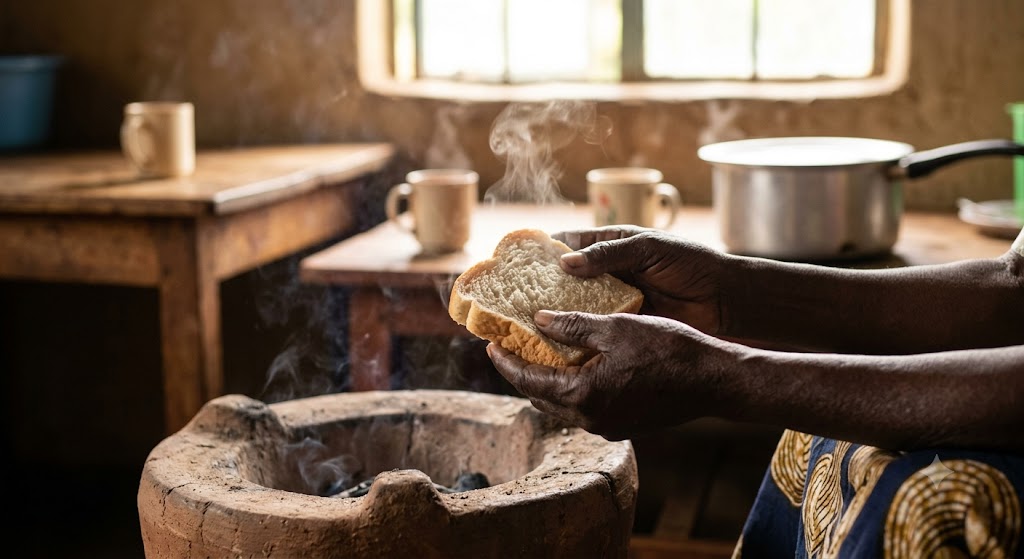
Throwing away a hard loaf of bread is a common sight in many homes. When bread gets stiff after sitting out overnight, most people assume it has simply lost all its water. But the actual cause behind stale bread is slightly different.
When flour mixes with water and bakes, the starch swells up to give you that soft slice you enjoy with your morning tea. As the bread sits out, those same starch parts slowly move back together and harden.
What happens inside day-old bread
Once bread sits on the kitchen table overnight, its inner texture begins to change.
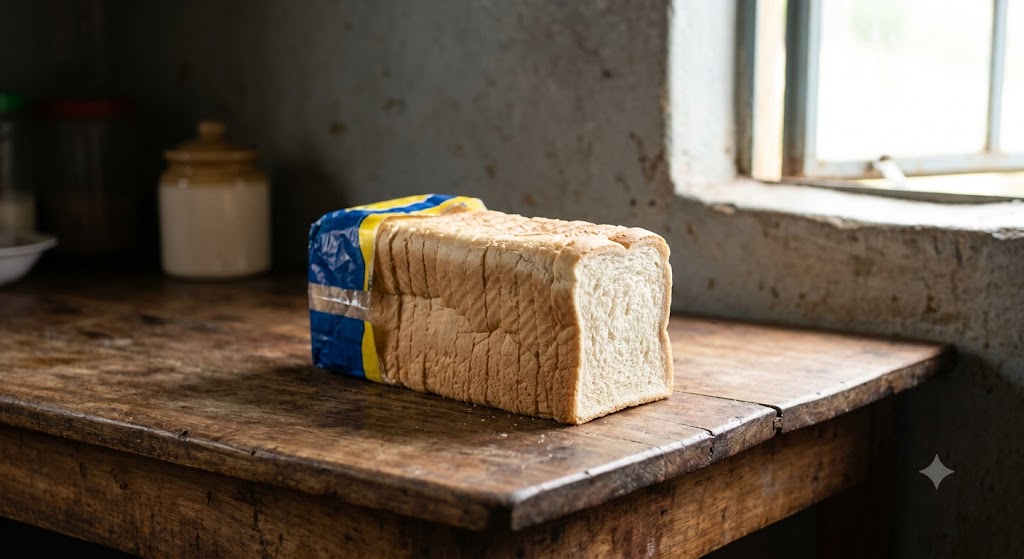
Research published in Comprehensive Reviews in Food Science and Food Safety notes that “Starch retrogradation is a process in which disaggregated amylose and amylopectin chains in a gelatinized starch paste reassociate to form more ordered structures.”
This means as the starch chains lock back together into tight crystals, they trap moisture inside. The water is still in the slice, but it is locked up in a way that makes the bread feel tough and dry.
Reversing the hardness in five minutes
The good news is that you can unlock that trapped moisture using basic items already in your kitchen: water and heat. Lightly sprinkling or spraying a few drops of water over the hard loaf puts fresh moisture on the crust.
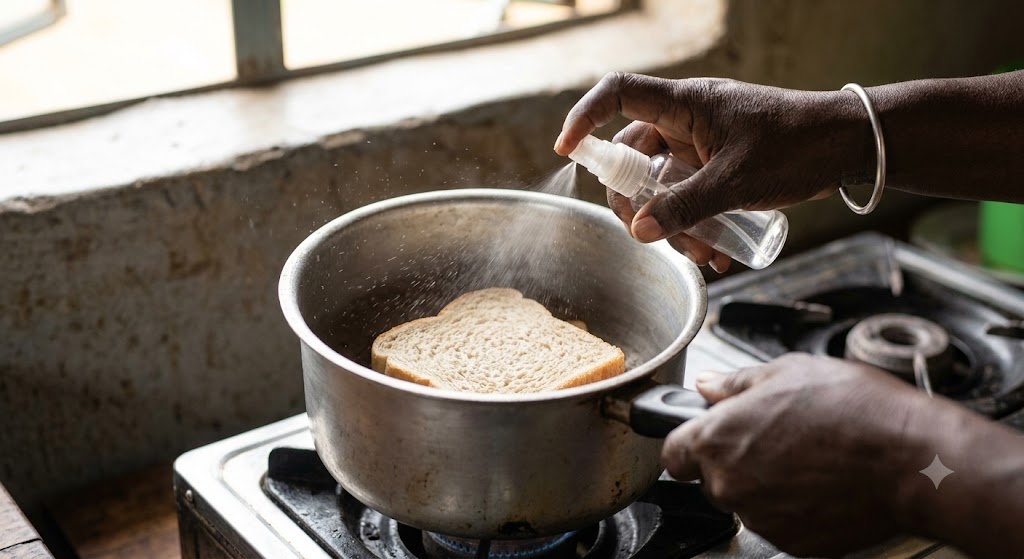
Putting the damp bread into an oven or a covered heavy cooking pot heated to 180°C for five minutes turns that surface water into steam.
The 180°C heat melts the hardened starch crystals, allowing them to soak up the steam and soften again. The inside turns tender and springy, while the outer layer gets warm and crisp.
Stretching your kitchen budget is helpful for every household. This quick trick cuts down on food waste and turns yesterday’s hard bread into a fresh, warm breakfast without spending extra money.