Advertisement
Kenyan vegetables that should not be overboiled
13th May, 2026 12:47 PM
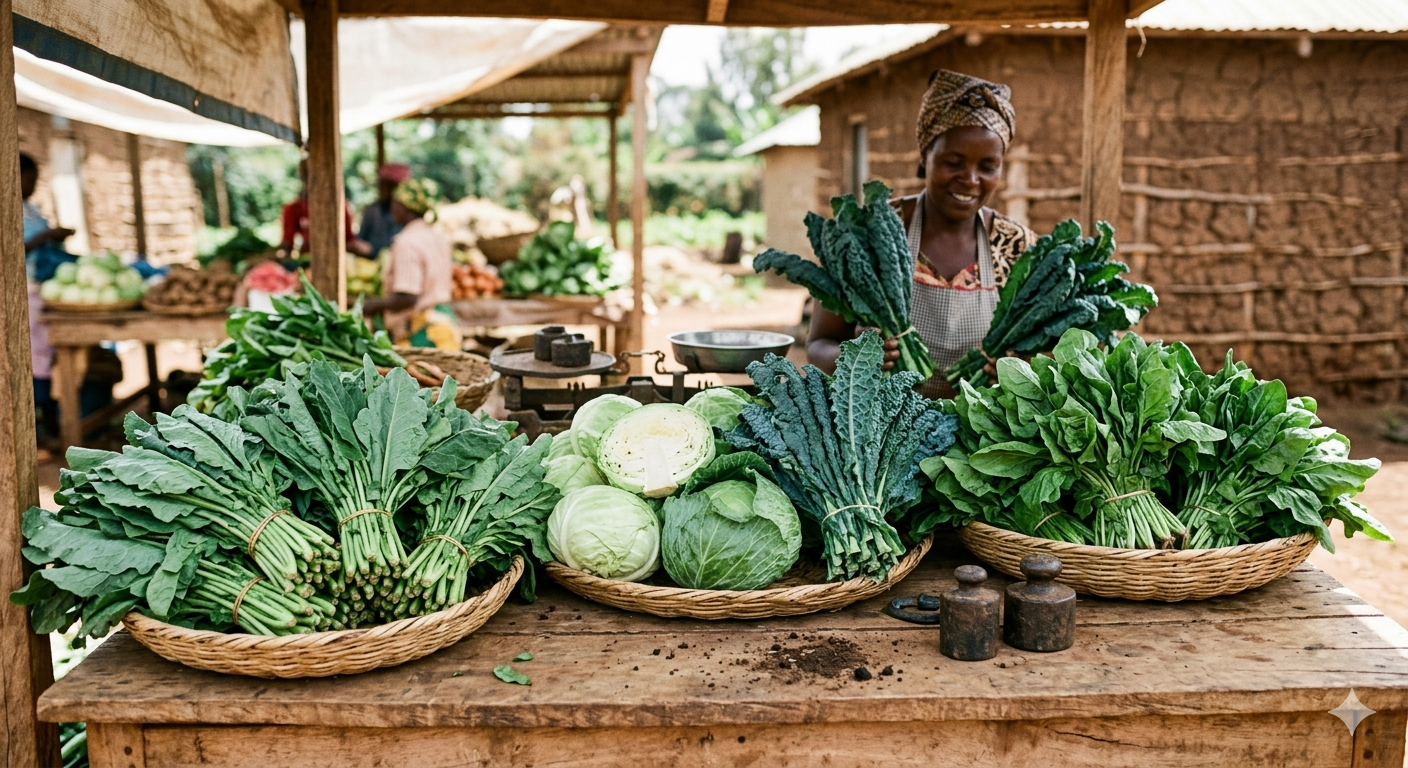
In many Kenyan homes, vegetables are often cooked until they are soft enough to almost disappear on the plate. From sukuma wiki bubbling in a sufuria to cabbage being overboiled, this method has long been part of everyday cooking.
However, nutrition findings from the World Health Organization (WHO) and dietary guidance suggest that prolonged boiling can lower the levels of important nutrients such as vitamin C and folate.
These nutrients are water-soluble, meaning they easily dissolve into cooking water when vegetables are exposed to heat for too long. When that water is later poured away, much of the nutritional value goes with it. This is why experts often recommend shorter cooking times or eating certain vegetables raw whenever possible.
Common Greens That Are Better Fresh
Sukuma wiki, one of Kenya’s most loved vegetables, is among the greens most commonly overcooked. When eaten raw in small portions as a salad, it provides more vitamin C, antioxidants and fibre than when boiled for too long.
A simple mixture of finely chopped sukuma, tomatoes, onions and lemon juice can make a refreshing and highly nutritious side dish.
Spinach is another vegetable that loses some of its nutritional strength when overboiled. Research highlighted by Healthline noted that fresh spinach retains more vitamin C and folate when eaten raw. It blends easily into smoothies, sandwiches or fresh salads without losing its soft texture.
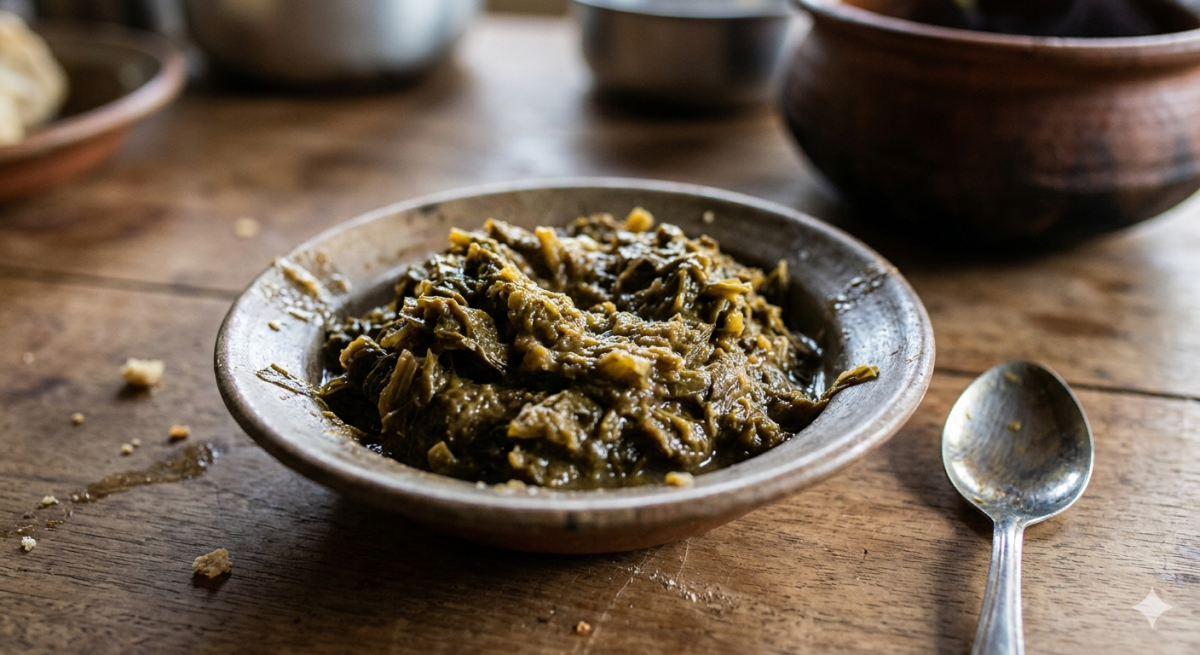
Cabbage also falls victim to overcooking in many kitchens. While cooked cabbage remains healthy, eating it raw preserves more of its vitamin C and natural plant compounds that support digestion. A quick cabbage slaw with carrots and a light dressing offers a crisp alternative.
Kale, increasingly available in Kenyan markets, also keeps more of its antioxidants and vitamin K when lightly massaged and served raw. According to nutrition guidance published by Medical News Today, raw leafy greens often provide stronger antioxidant benefits when they are not exposed to excessive heat.
Smarter Ways to Prepare Everyday Vegetables
This does not mean cooked vegetables should disappear from the menu. Cooking can make some nutrients easier for the body to absorb. The key is avoiding overboiling.

Light steaming, quick sautéing or blanching vegetables for just a few minutes can help preserve both flavour and nutrients. Adding fresh vegetables to meals, even a few times a week, creates balance and gives the body access to a wider range of vitamins.