Advertisement
What food expiry dates mean – best before vs use by vs sell by
16th July, 2026 12:36 PM
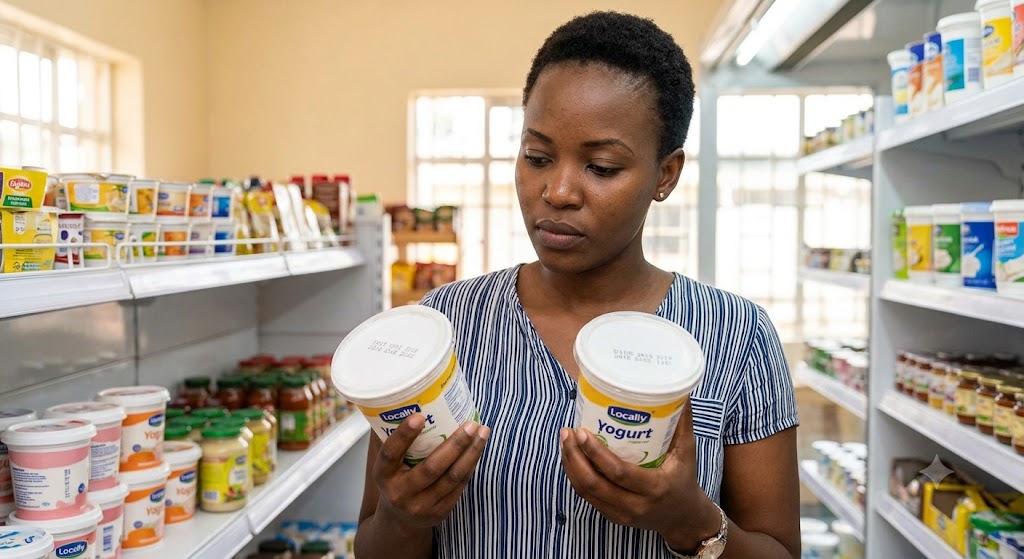
Every day, people throw away perfectly good food because of the dates printed on the packaging. Whether it is a packet of milk, a loaf of bread, or a tin of tomato paste, these labels often cause massive confusion.
This misunderstanding leads families to throw out edible food, wasting hard-earned money, or sometimes eating spoiled items that cause stomach illnesses.
Understanding the difference between “best before” and “use by” can save a household thousands of shillings while keeping everyone healthy.
Quality versus safety
The key to reading these packages is knowing the difference between food quality and food safety. A “best before” date is strictly about quality. It shows when the food is at its peak flavour and texture.
For example, if a packet of long-life milk or a bag of maize flour has a “best before” date of October 12, 2026, it does not magically go bad the next day. It remains completely safe to cook and eat, even if the taste or texture changes slightly over time.
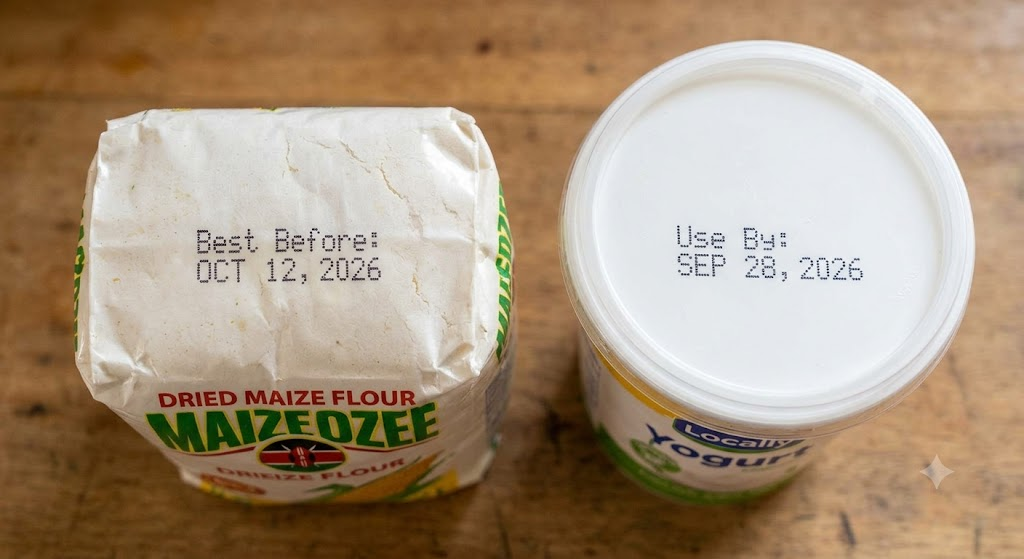
In contrast, the “use by” date is all about safety. This is the firm deadline for when a product becomes risky to eat because of harmful bacteria. This label is usually found on highly perishable items like fresh beef, chicken, or yoghurt.
Eating these foods past the “use by” date is highly dangerous, even if they look, smell, and taste fine.
Saving cash and staying healthy
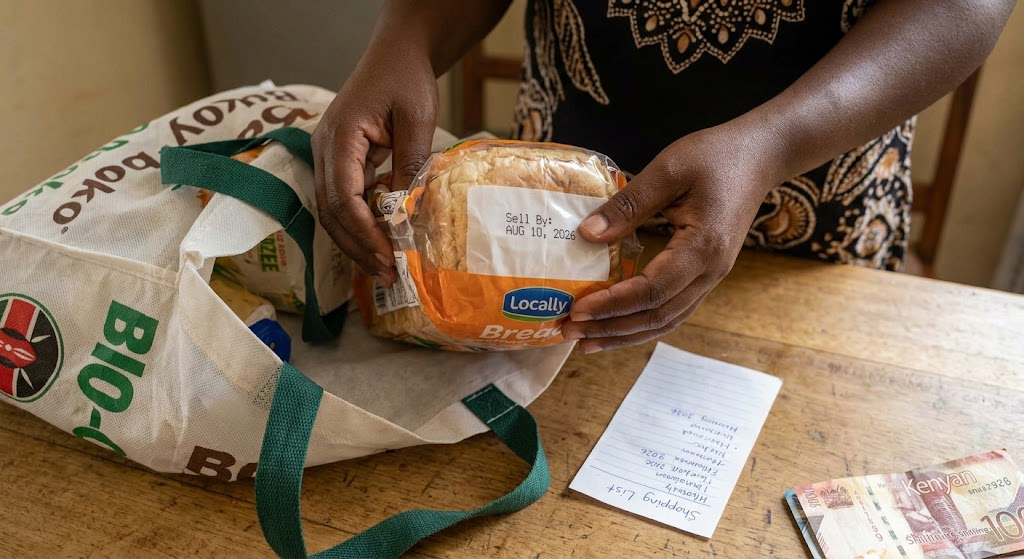
Supermarkets also use a “sell by” date, which is only meant for shop assistants to manage stock on the shelves. It has nothing to do with the consumer or food safety, and shoppers can comfortably buy and consume these products past this date.
This labelling mix-up is a global issue with real local costs. In a peer-reviewed study published in the journal Future Foods, researchers analysed how these labels affect households and found that “consumers find date labels confusing and hard to understand”.
This confusion directly translates to food waste. In Kenya, where a packet of milk costs around Sh65 and a packet of sausages can go for Sh400, throwing away food based on a misunderstood “best before” date is an expensive mistake.
By trusting the senses for quality dates and strictly respecting safety dates, families can cut down on waste and stay safe.