Advertisement
Foods that boost iron absorption in the body, and those that block it
13th July, 2026 07:48 PM
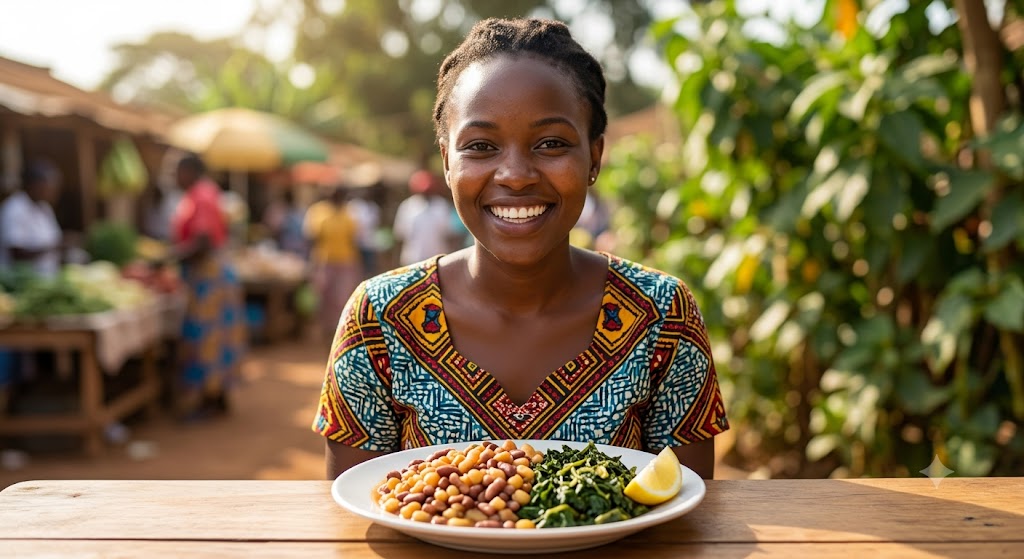
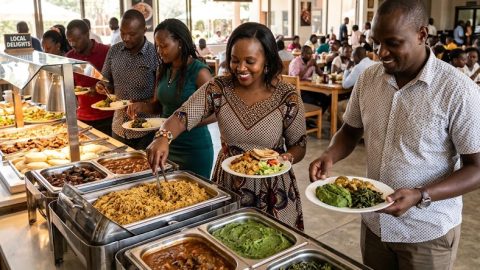
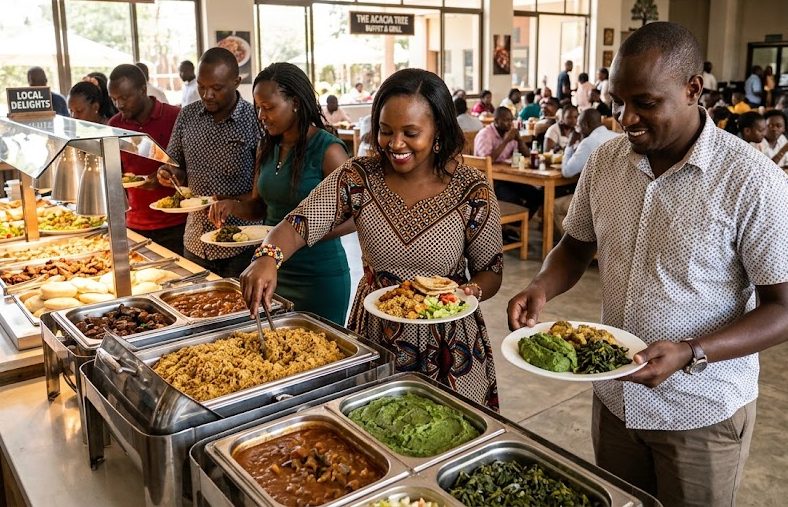
Iron deficiency anaemia remains a major health challenge in Kenya, particularly affecting women and young children. For a long time, the standard solution has been: eat more iron-rich foods like beans, liver, and leafy traditional vegetables.
However, simply packing a plate with these foods does not mean the body actually absorbs the nutrients. The real secret to beating deficiency lies in understanding how the body processes iron, which depends heavily on what else is consumed during the same meal.
Dietary iron comes in two distinct forms. Haem iron comes from animal sources such as beef, fish, and chicken, and the body absorbs it quite easily.
On the other hand, non-haem iron is found in plant foods like sukuma wiki, beans, and ndengu.
This plant-based iron is much harder for the body to break down and absorb on its own, meaning it requires specific dietary companions to unlock its full nutritional value.
The simple boosters that unlock nutrients
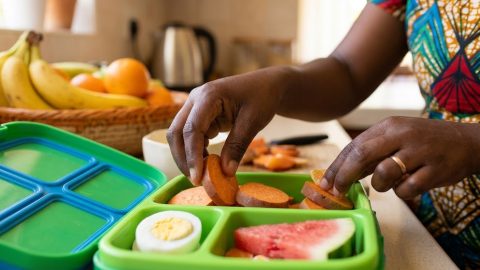
To get the maximum benefit from plant-based meals, pairing them with vitamin C is essential. Something as simple as squeezing a fresh lemon over cooked kienyeji vegetables or eating an orange right after a meal can significantly increase iron uptake.
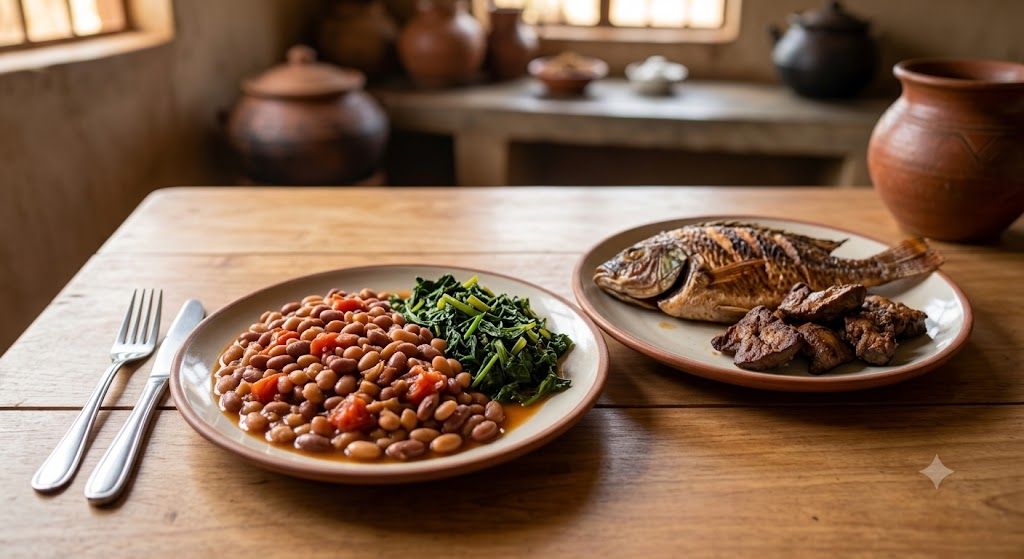
This simple habit changes the chemical environment in the stomach, making the iron much more accessible.
A peer-reviewed study published in the journal ACS Omega highlights this exact interaction. The researchers found that “ascorbic acid is a well-known dietary factor improving iron bioavailability; however, calcium, polyphenols, and phytates reduce intestinal iron absorption.”
The everyday blockers to separate from meals
While vitamin C helps the body absorb iron, several common food combinations actively block it. Tannins found in a strong cup of afternoon tea and polyphenols in morning coffee are major culprits.
Drinking tea or coffee during or immediately after a meal binds the iron in the stomach, preventing it from entering the bloodstream.
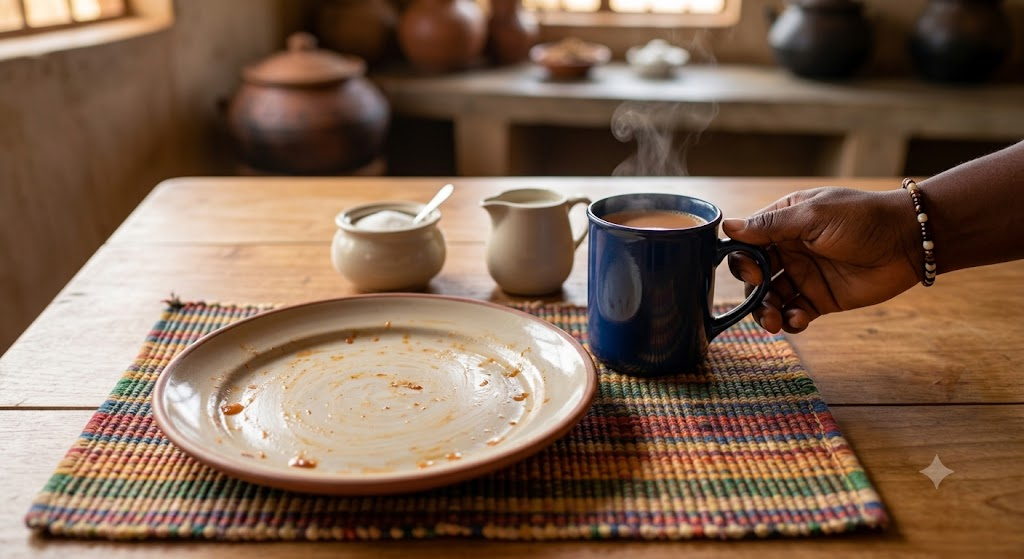
Similarly, calcium in milk and phytates in unsoaked grains or raw legumes act as natural barriers. For instance, washing down a plate of githeri or beans with a glass of milk or a hot cup of tea reduces the iron value of that food.
To avoid this, a gap of at least one hour should be kept between a main meal and any tea, coffee, or milk. This small adjustment in timing ensures everyday Kenyan meals deliver the high nutritional value they are supposed to provide.