Advertisement
Everyday foods you may be preparing incorrectly
09th August, 2026 12:28 PM
Some everyday foods are easy to prepare because people have cooked them the same way for years.
However, the way a food is washed, cut, cooked or stored can affect its taste, texture and even how much of its nutrients you get. Small changes in the kitchen can make a big difference.
Here are three common foods you may be preparing incorrectly.
1. Potatoes
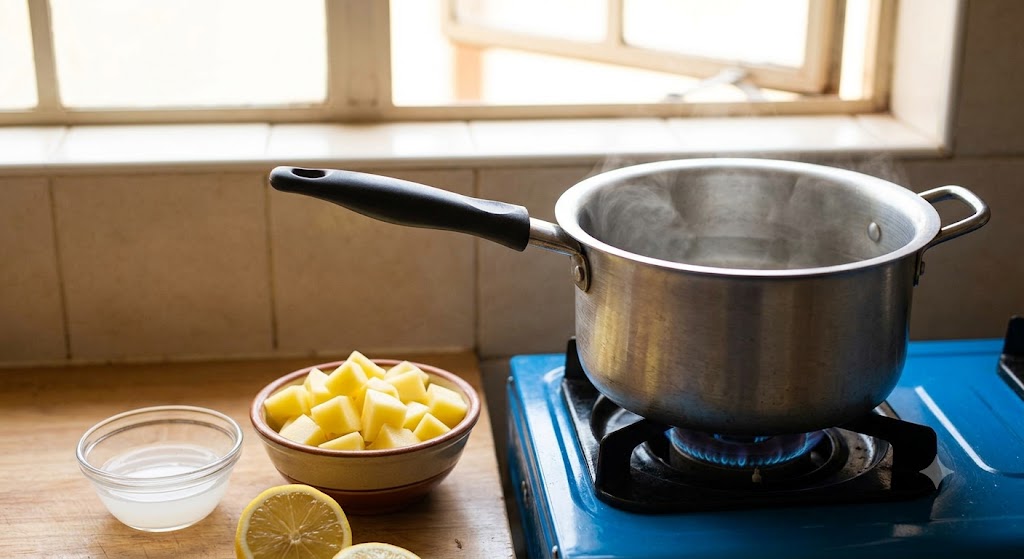
Potatoes are often peeled before cooking, but the skin can contain useful nutrients and fibre. If you enjoy potato skins, washing the potatoes well and cooking them with the skin on can be a simple way to keep more of the food intact.
Another mistake is leaving cut potatoes exposed for too long before cooking. Once potatoes are cut, they can change colour when exposed to air. If you need to prepare them ahead of time, placing the cut pieces in water can help reduce this change.
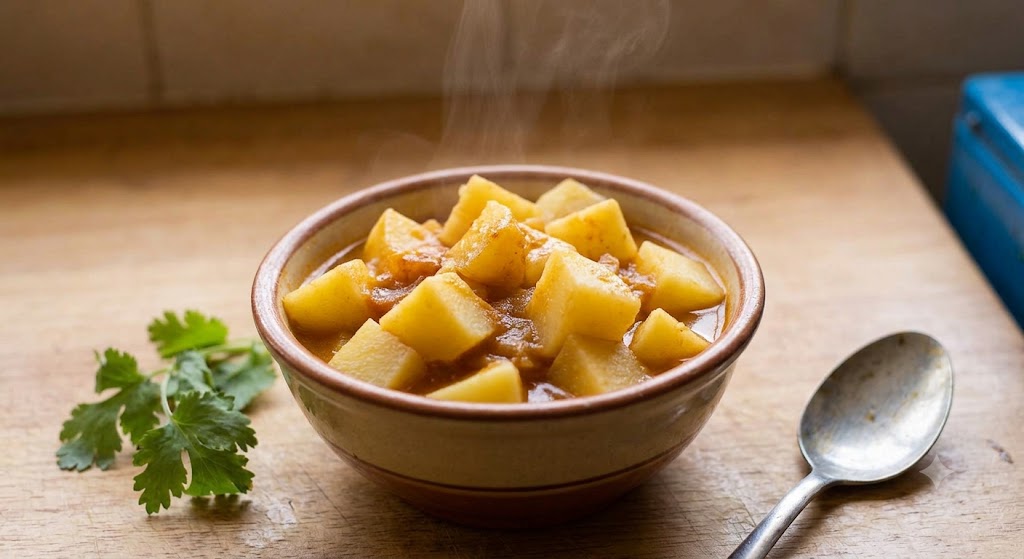
The way you cook potatoes also matters. Deep-frying them regularly adds more fat and calories than methods such as boiling, baking or roasting. Choosing different cooking methods can help you enjoy potatoes in several ways.
2. Eggs
Eggs are one of the easiest foods to prepare, but many people may cook them for much longer than necessary. Overcooking can make eggs rubbery and dry, especially when making scrambled or boiled eggs.
For scrambled eggs, cooking them over moderate heat and removing them when they are just set can help keep them soft. They will continue cooking slightly from the remaining heat even after they leave the pan.
Boiled eggs can also be cooked according to the texture you prefer. Cooking them for too long can leave the yolk with a dry texture and sometimes a greenish ring around it. Timing your eggs can therefore improve both their appearance and texture.
3. Tomatoes
Many people automatically put tomatoes in the refrigerator after buying them. However, refrigeration can affect their texture and flavour. Whole tomatoes are generally better kept at room temperature until they are ripe and ready to eat.
How you cut tomatoes can also affect how they feel when served. Using a sharp knife can help avoid crushing the fruit and losing too much of its juice.
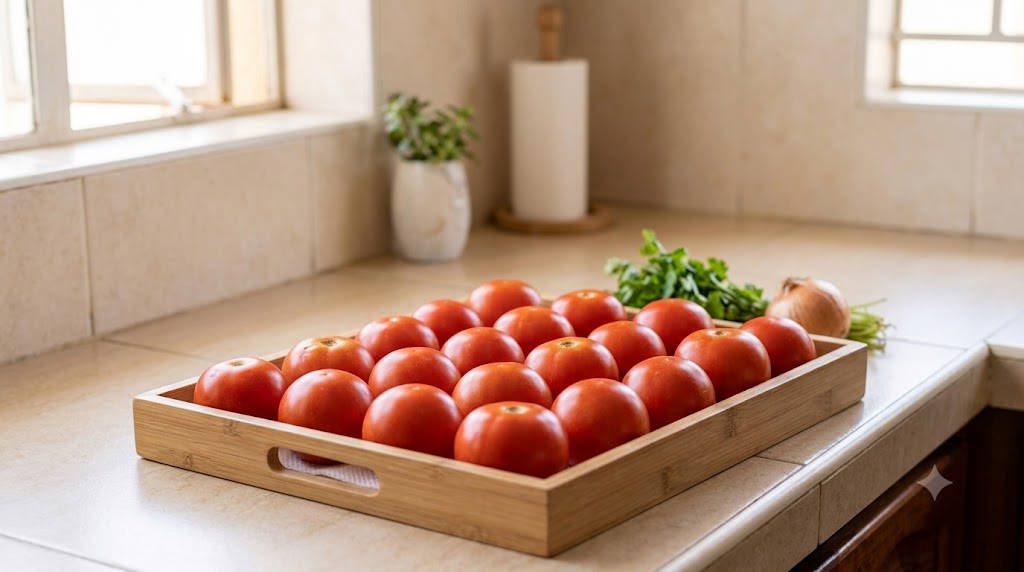
If you have more tomatoes than you can use quickly, you can also cook them instead of allowing them to sit until they become overripe. Cooked tomatoes can be used in sauces, stews and other meals.
Preparing food correctly does not always require complicated cooking skills. Paying attention to how you wash, cut, cook and store everyday ingredients can improve your meals while helping you make better use of the food you already have.
The next time you prepare potatoes, eggs or tomatoes, consider changing one small step. You may notice a difference in flavour, texture and the overall quality of your meal.