Advertisement
How adding a drop of vinegar keeps boiled potatoes from turning to mush
27th July, 2026 09:19 PM
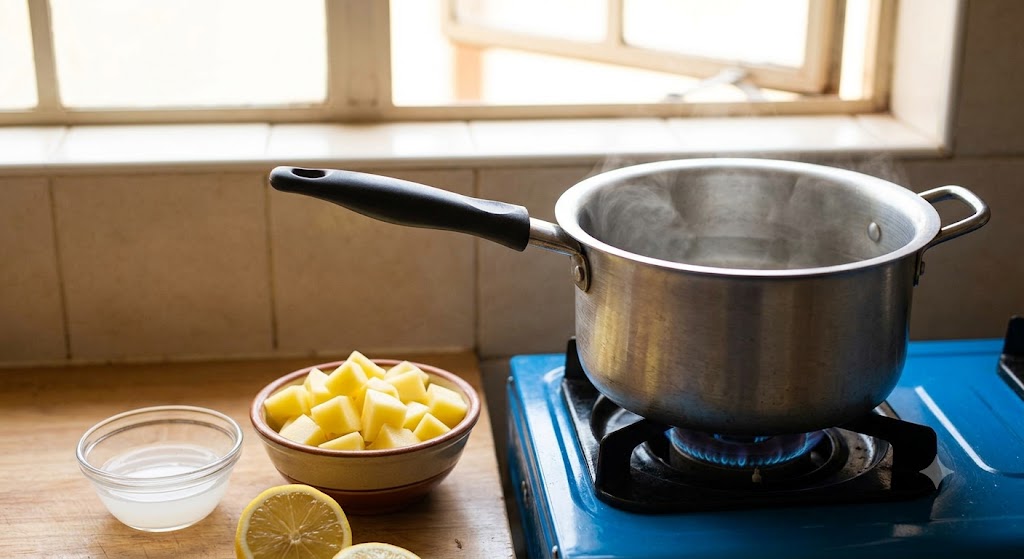
Boiling cubed potatoes for family stews or potato salads often ends with pieces dissolving into mush.
Neat, even cubes prepped for frying can lose their shape in the pot, turning what should be a solid side dish into an unwanted puree.
A simple kitchen trick solves this everyday cooking problem: adding a single teaspoon of white vinegar or fresh lemon juice to the cooking water.
How boiling water weakens potato cell walls
Potatoes keep their physical shape thanks to pectin, a natural plant carbohydrate that acts like glue holding cell walls together. When raw potato cubes simmer in plain water, high heat gradually dissolves these pectin bonds.
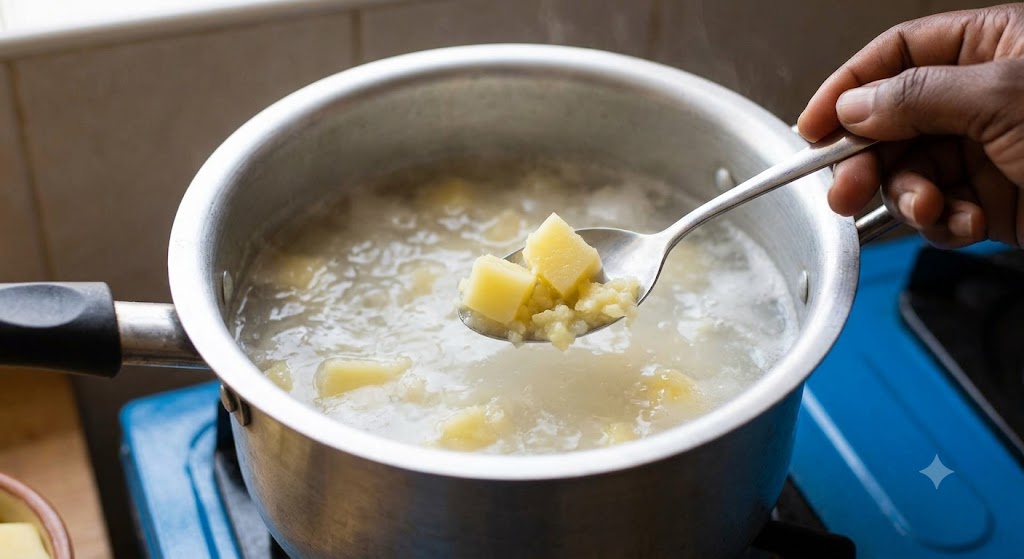
As heat penetrates the centre of each cube, starches inside absorb water and expand rapidly. Without strong pectin walls holding the cells together, the outer layers fracture and crumble long before the middle finishes cooking.
This problem happens frequently with high-starch potato varieties sold across local Kenyan markets, which absorb moisture quickly and lose structural strength in hot water.
How mild acid protects potato cell walls
Adding a small measure of vinegar or lemon juice alters the pH level of the cooking liquid, creating a mildly acidic environment. Under acidic conditions, pectin molecules resist breaking down.
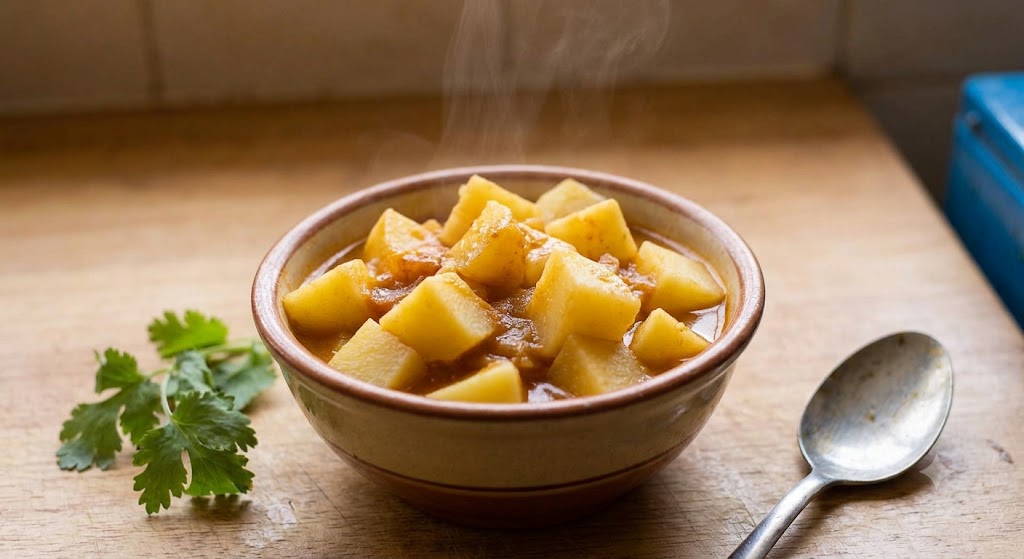
Instead, they form a firm gel around the cell walls, protecting the outer layer of every potato piece.
Scientific research confirms this exact structural mechanism.
In a study on potato cell walls published in the journal Foods, researchers observed that “the acid-induced gelation of pectin in potato cell walls has been gradually recognized to be related to the improvement in the cell wall integrity after heat processing”.
This protective reaction reinforces the vegetable structure without changing its taste. One teaspoon of acid per litre of water lowers the pH sufficiently to protect the cell walls without leaving any sour flavour behind.
For daily cooking, this simple technique ensures potato cubes maintain clean edges in rich beef stews, hold together when tossed in mayonnaise for cold salads, and stay intact during parboiling before frying.
Simply add the acid to cold water along with salt at the start of cooking.