Advertisement
6 foods to eat for good eyesight
12th July, 2026 02:18 PM

Good eyesight is something many people hope to maintain throughout their lives, yet it is often taken for granted until vision starts to change. While regular eye examinations and protecting the eyes from excessive sunlight are important, what ends up on the plate also plays a significant role in supporting eye health.
Health experts says that maintaining a balanced diet rich in vitamins, minerals and antioxidants can help protect the eyes from age-related damage and support overall vision. Nutrients such as vitamin A, vitamin C, vitamin E, zinc and omega-3 fatty acids are essential for healthy eye function.
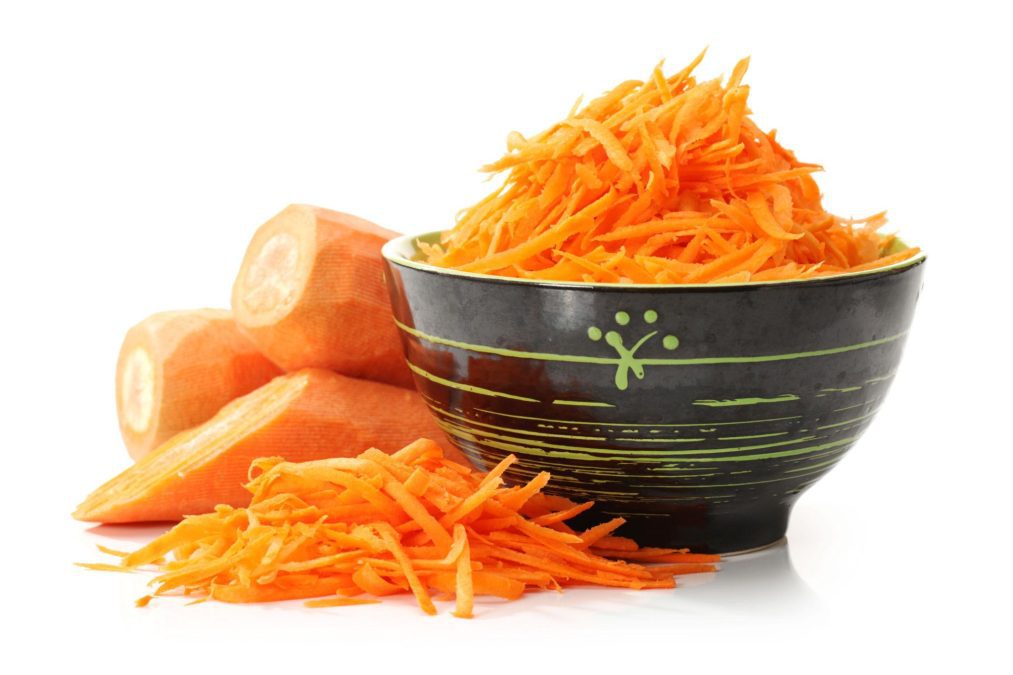
Carrots: A classic food for healthy vision
Carrots have long been associated with good eyesight, and for good reason. They are packed with beta-carotene, a plant pigment that the body converts into vitamin A. This vitamin is essential for keeping the retina healthy and helping the eyes adjust to low-light conditions.
A lack of vitamin A can contribute to dry eyes and difficulty seeing at night. Carrots also contain lutein, an antioxidant that helps protect the eyes from harmful light exposure. According to the American Academy of Ophthalmology, vitamin A plays a vital role in maintaining normal vision and keeping the surface of the eye healthy.
Adding raw carrots to salads, enjoying them as a snack or cooking them with other vegetables is an easy way to include them in a healthy diet.
Spinach: Rich in eye-protecting antioxidants
Leafy green vegetables such as spinach are among the best foods for eye health. Spinach contains lutein and zeaxanthin, two powerful antioxidants that accumulate in the retina and help filter harmful blue light.
These nutrients may lower the risk of age-related macular degeneration and cataracts, two common causes of vision problems as people grow older. The National Eye Institute explains that lutein and zeaxanthin are important nutrients that help maintain healthy vision.
Spinach is also a good source of vitamin C, which supports healthy blood vessels in the eyes and helps protect cells from damage caused by free radicals.
Oily fish: A source of omega-3 fatty acids
Fish such as salmon, sardines and mackerel provide omega-3 fatty acids, particularly DHA, which is an important structural component of the retina.

Omega-3 fats help maintain the tear film that keeps the eyes lubricated, reducing the risk of dry eye symptoms. They also support the healthy development and function of the retina. The NHS recommends including oily fish in a balanced diet because of its rich omega-3 content, which benefits both eye health and overall wellbeing.
Eggs: Packed with nutrients for the eyes
Eggs contain several nutrients that contribute to healthy eyesight, including lutein, zeaxanthin, vitamin A and zinc.
Zinc helps transport vitamin A from the liver to the retina, where it is used to produce protective pigments that support vision, particularly in dim lighting. These nutrients may help reduce the risk of certain age-related eye diseases.
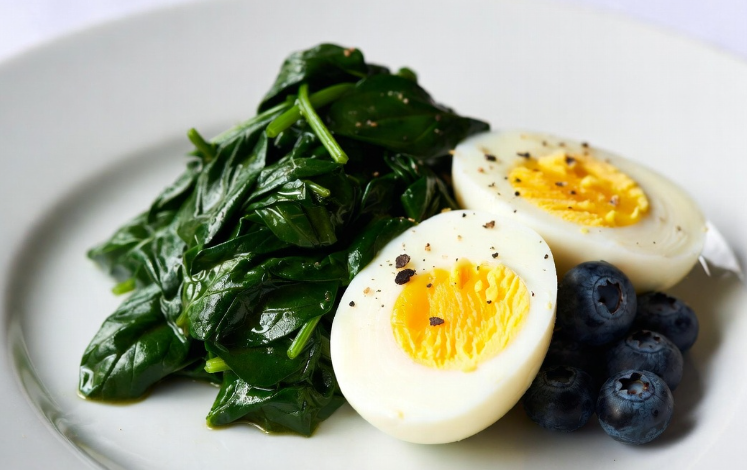
Egg yolks also provide antioxidants in a form that the body absorbs efficiently, making them a practical addition to breakfast or other meals.
Sweet potatoes: An excellent source of vitamin A
Sweet potatoes are another outstanding source of beta-carotene. Their bright orange colour reflects their high antioxidant content, which helps protect eye tissues from oxidative stress.
Besides supporting healthy vision, sweet potatoes provide fibre, vitamin C and potassium, making them a nutritious choice for overall wellbeing. Foods rich in beta-carotene contribute to healthy vision because the body converts the nutrient into vitamin A.
Citrus fruits: Helping protect eye tissues
Oranges, lemons, grapefruits and other citrus fruits are rich in vitamin C, an antioxidant that helps maintain healthy blood vessels in the eyes.
Vitamin C also supports the body’s natural defence against oxidative stress, which has been linked to age-related eye conditions. The World Health Organization (WHO) encourages eating a variety of fruits and vegetables every day to promote overall health, including healthy eyesight.
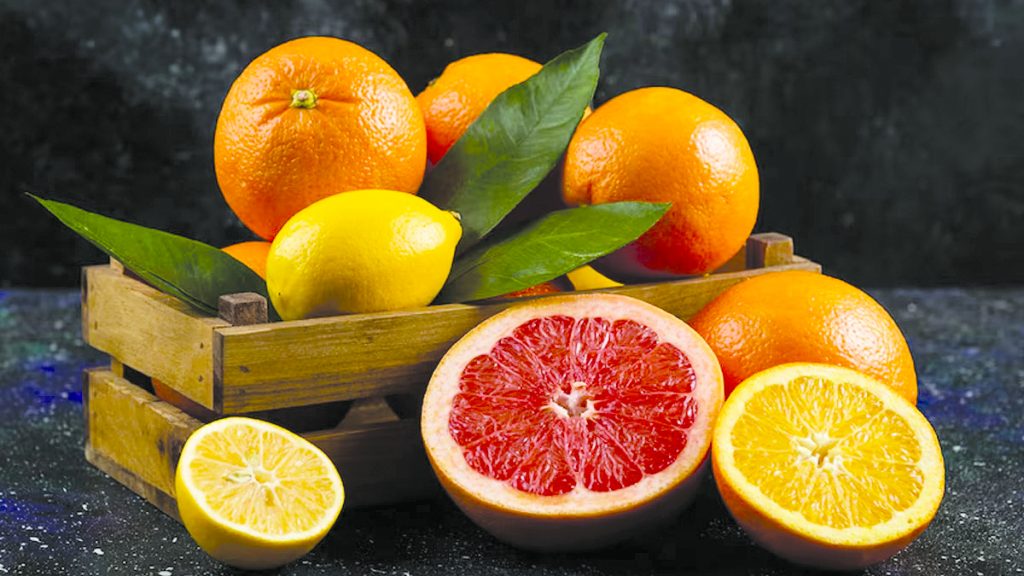
Enjoying fresh citrus fruits or adding lemon to drinking water are simple ways to include more vitamin C in your daily diet.
A balanced diet supports long-term eye health
Although no single food can guarantee perfect eyesight, eating a varied diet filled with colourful fruits, vegetables, fish, eggs and other nutrient-rich foods can help support healthy vision over time. Combining a healthy diet with routine eye examinations, regular physical activity and protection from excessive sunlight is one of the best ways to care for your eyes throughout life.