Advertisement
Habits that help children eat more vegetables
04th July, 2026 03:38 PM
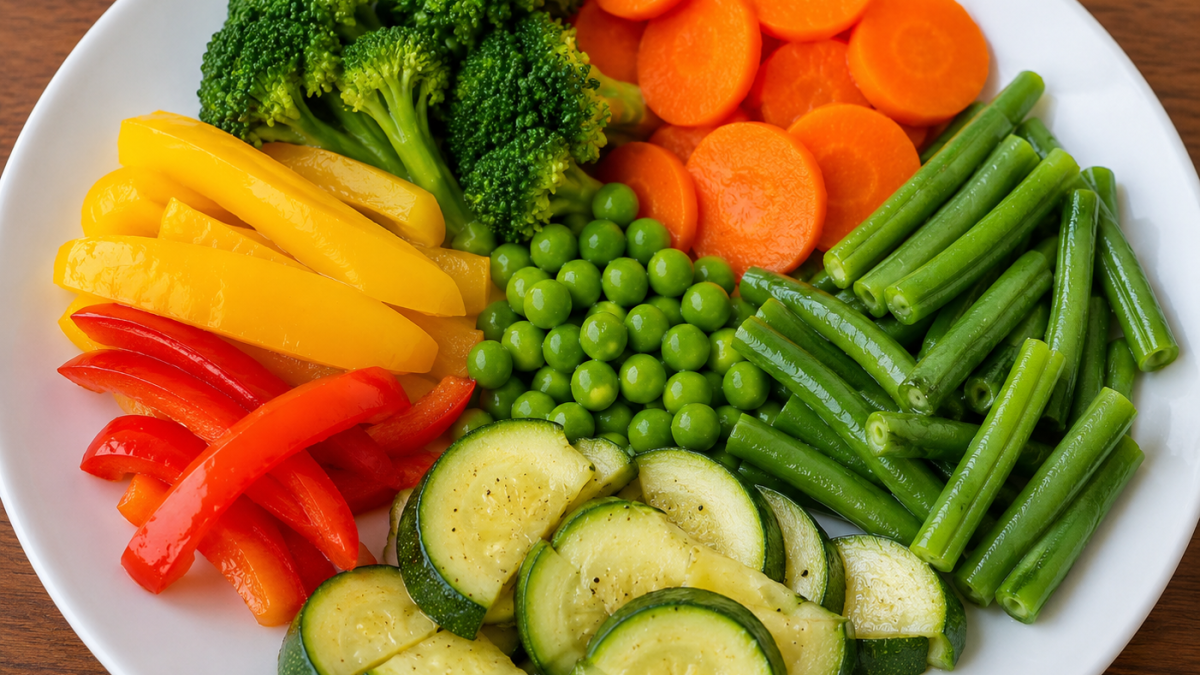
Getting children to eat vegetables can be challenging, but developing healthy eating habits early can make a big difference.
Instead of forcing children to finish their vegetables, parents and caregivers can use positive strategies that encourage curiosity and make healthy foods a regular part of family meals.
Increase the portion sizes of healthier foods
If introducing vegetables at breakfast or before a meal feels unrealistic, another approach might be to simply adjust the ratios of what is being served and reduce the amount of high-calorie ingredients in favour of vegetables.
You can do this by simply increasing vegetables as a side dish or by grating vegetables such as carrots and courgettes into sauces.
This can be effective, as studies have shown people tend to eat a similar volume of food and increased amounts of vegetables when portion ratios of meat to vegetables are altered.
Increasing the amount of fruit and vegetables by 50 per cent on a child’s plate has been found to increase how much of these they eat.

Change how the vegetables look
Changing how a child perceives the food they are eating is also beneficial. Consider that much of what we want to eat starts with our eyes.
When faced with multiple options, children will gravitate toward the food that looks the most familiar and appealing.
This means changing how food is presented could help children to eat more vegetables.

Let children help in the kitchen
Children are often more willing to eat foods they helped prepare. Let them wash vegetables, stir ingredients, or help arrange food on the plate.
Involving them in cooking builds excitement and gives them a sense of ownership over the meal.
Offer vegetables at every meal
Include vegetables as a regular part of breakfast, lunch, dinner, and snacks. Sliced cucumbers, carrot sticks, cherry tomatoes, or steamed vegetables can become familiar favourites when served consistently.
Avoid using food as a reward
Promising dessert in exchange for eating vegetables can make vegetables seem like a chore. Instead, praise children for trying new foods and celebrate their willingness to taste different vegetables without attaching rewards.