Advertisement
Easy ways to teach kids about saving, spending, and budgeting
12th August, 2026 11:16 AM
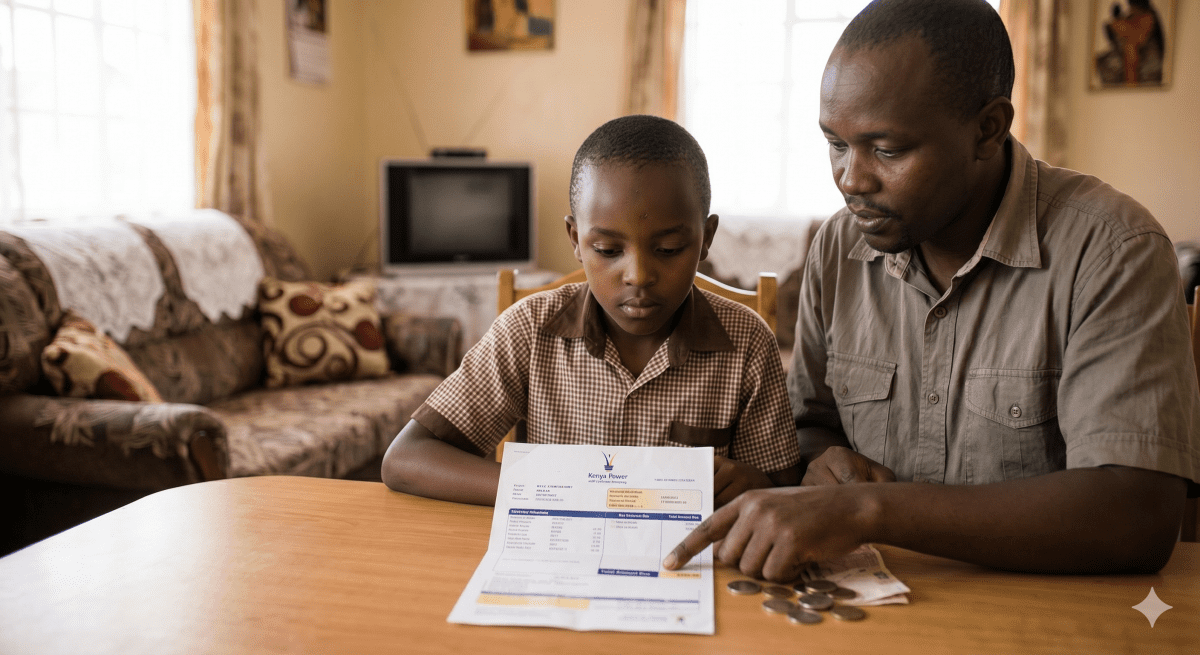
Money habits often begin long before a child gets their first salary. The way children learn to handle pocket money, ask for things they want and decide whether to spend or save can shape how they relate to money later in life.
For parents, teaching children about saving, spending and budgeting does not have to involve complicated financial lessons. Everyday situations such as shopping, receiving pocket money or saving for a toy can become useful opportunities to introduce basic money skills.
Start with saving small amounts
One of the easiest ways to introduce children to saving is by giving them a simple goal. Instead of telling a child to save without explaining why, parents can help them choose something they would like to buy and work out how much they need.
A clear container or savings jar can also make the process easier for younger children because they can see their money growing. For older children, parents can introduce a savings account and explain how money can be kept safely for a future need.
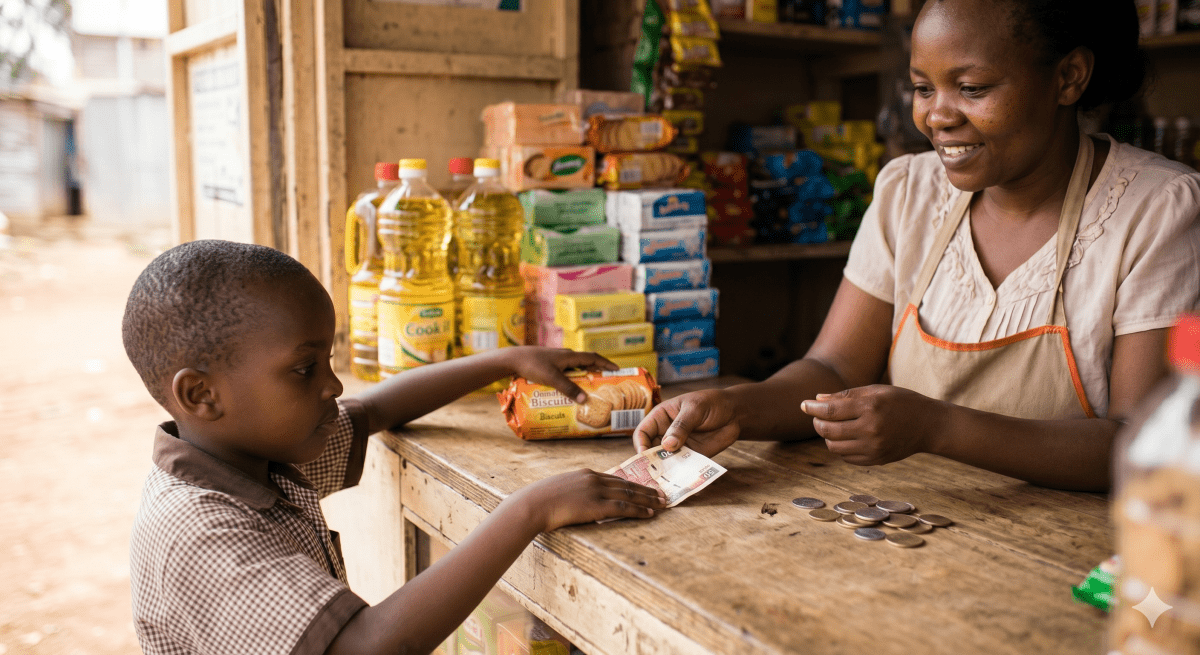
According to MoneyHelper, giving children a small amount of money regularly can help them learn how to manage it. The organisation also recommends involving children in conversations and activities around saving and spending from an early age.
The important lesson is that saving does not have to start with large amounts. A child who learns to keep part of their pocket money today can gradually understand the value of delaying a purchase to achieve a bigger goal.
Teach the difference between needs and wants
Children may naturally want sweets, toys, games or new clothes, but they also need to understand that not everything they want has to be bought immediately.
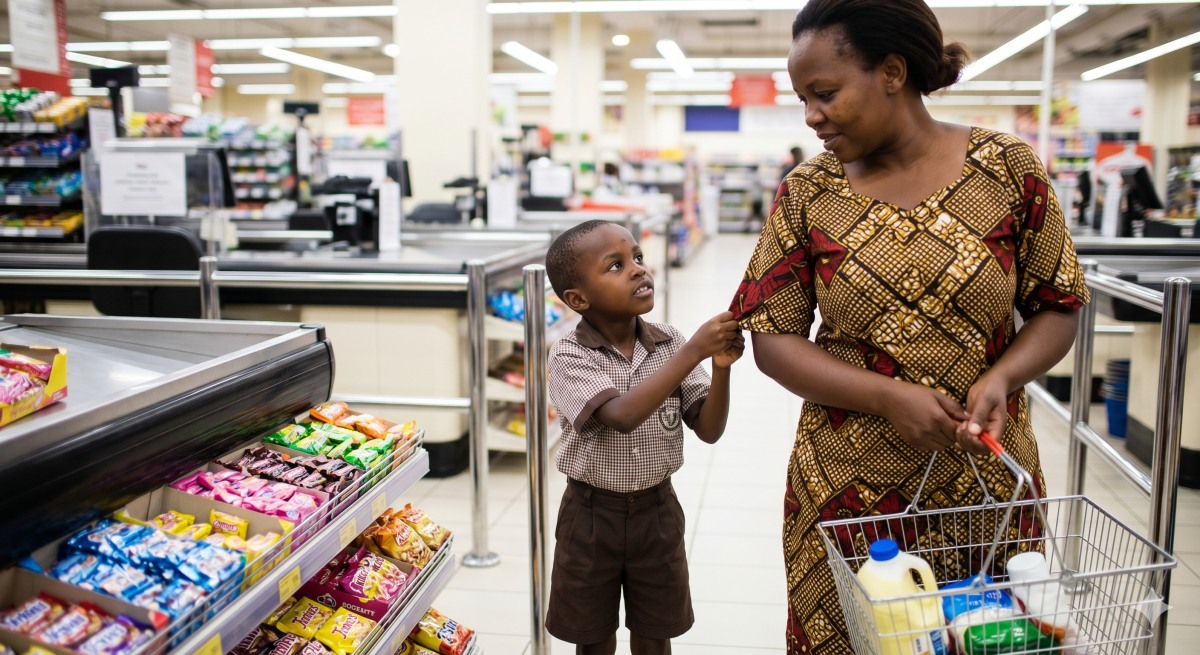
Parents can use shopping trips to explain the difference between something that is necessary and something that is simply desirable. For example, if a child wants an expensive snack while the family is shopping for essential groceries, the parent can explain how spending on one item affects the money available for other purchases.
The Consumer Financial Protection Bureau recommends activities that help children think about needs and wants as part of learning how to make better spending decisions.
This can also teach children that having money does not mean they have to spend it all. Sometimes the better choice is to keep the money for another purpose.
Let children practise budgeting
Budgeting becomes easier to understand when children can practise it with real situations. Parents can give an older child a fixed amount for a small activity and allow them to decide how to use it.
For instance, a child preparing for a school event could be given a set amount for snacks or supplies. If they choose an expensive item, they can see that less money remains for other purchases.
According to the OECD, financial literacy involves not only understanding money but also developing the skills, attitudes and behaviours needed to make sound financial decisions. The organisation’s research also shows that children who regularly discuss spending decisions with their parents tend to perform better in financial literacy.
Make money conversations normal
Children do not need to know every detail about their parents’ finances, but avoiding all conversations about money can leave them unprepared for decisions they will eventually have to make.
Simple discussions about prices, saving goals, shopping choices and planning can gradually make financial matters easier to understand.
The aim is not to make children afraid of spending money. Instead, they should learn that money is a limited resource that can be planned for, saved and spent carefully.