Advertisement
8 foods that support healthy brain development in children
02nd July, 2026 03:18 PM
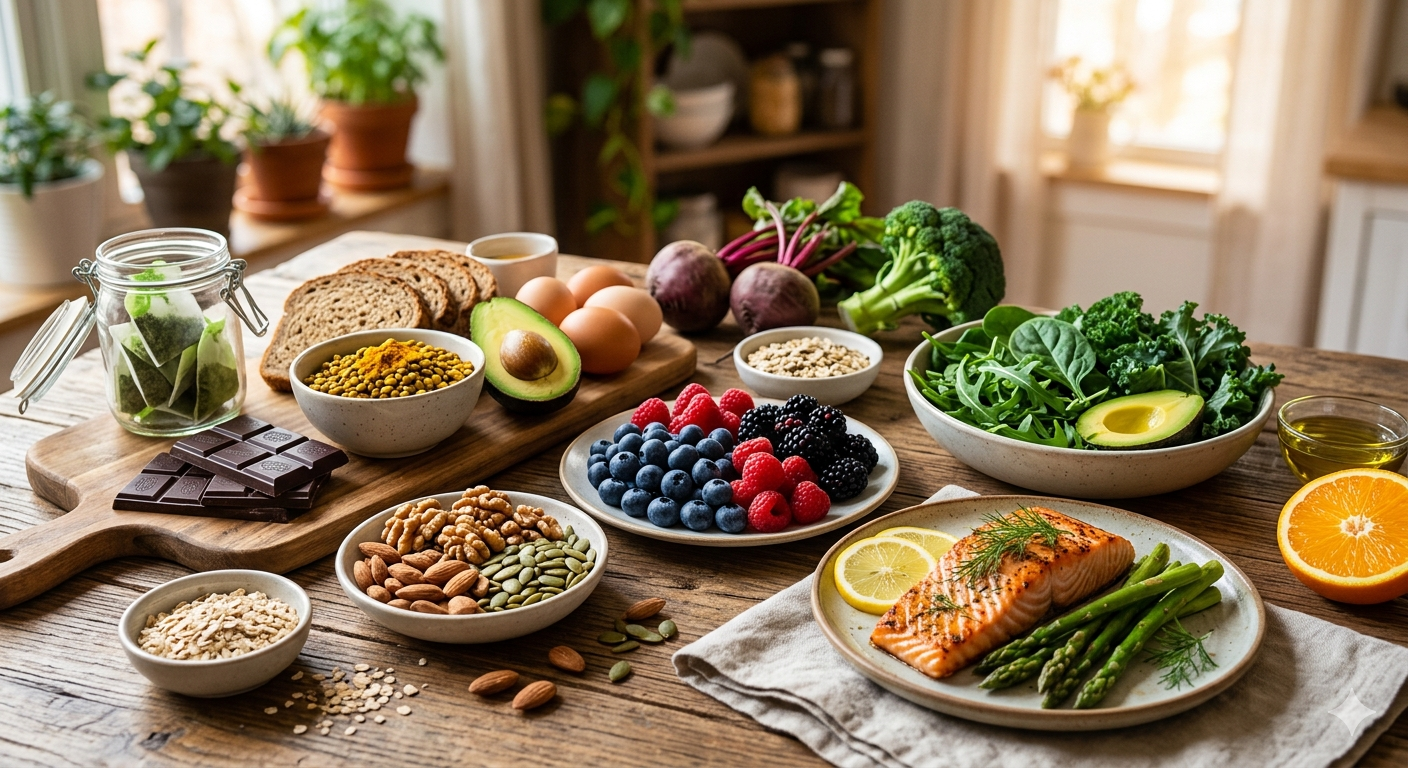
If you have ever spent time with a toddler, you probably know they learn quickly and absorb new information like a sponge. But brain development begins long before a child can walk and talk.
The foods children eat not only fuel their bodies but also help build the brain, support memory, improve concentration, and enhance learning.
A balanced diet rich in key nutrients can help children reach their full cognitive potential while supporting their overall health and wellbeing.
Eggs
Eggs are packed with protein and contain choline, a nutrient that plays an important role in memory development and brain function. They also provide vitamins B6, B12, and folate, which help support healthy brain development.
Boiled, scrambled, or made into an omelette, eggs are an affordable and versatile option for breakfast or lunch.
Leafy green vegetables
Spinach, kale, sukuma wiki, and other leafy greens are rich in folate, vitamin K, and antioxidants. These nutrients help protect brain cells from damage and support cognitive development.
Adding vegetables to stews, soups, or smoothies can make them more appealing to young children.
Whole grains
Whole-grain foods such as oats, brown rice, whole-wheat bread, and millet provide a steady release of energy to the brain.
Unlike refined grains, they help maintain stable blood sugar levels, which can improve focus and concentration throughout the day.
A bowl of oatmeal or whole-grain cereal makes an excellent breakfast before school.
Dairy products
Milk, yoghurt, and cheese provide protein, calcium, and vitamin B12, all of which contribute to healthy brain and nervous system function. They also supply energy needed for active learning and play.
Choose plain yoghurt and milk with little or no added sugar whenever possible.
Nuts and seeds
Almonds, walnuts, sunflower seeds, pumpkin seeds, and chia seeds contain healthy fats, vitamin E, zinc, and magnesium, nutrients that support memory and protect brain cells.
For younger children, serve nut butters or finely ground nuts to reduce the risk of choking, and always be mindful of food allergies.
Beans and lentils
Beans, lentils, peas, and chickpeas are excellent sources of protein, iron, and fibre. Iron is particularly important because it helps transport oxygen to the brain. Children with low iron levels may experience fatigue and difficulty concentrating.
These foods are affordable, filling, and easy to include in soups, stews, or salads.
Avocados
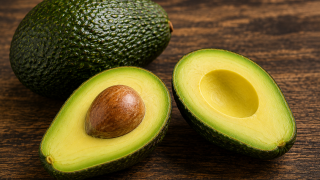
Avocados are rich in healthy monounsaturated fats, which help maintain good blood flow to the brain. They also provide folate and vitamin E, nutrients that support brain health.
Spread mashed avocado on whole-grain toast or add it to sandwiches and salads.
Colourful fruits and vegetables
Oranges, carrots, sweet potatoes, tomatoes, mangoes, and bell peppers are loaded with vitamins and antioxidants that help protect developing brain cells. Eating a variety of colourful produce ensures children receive a broad range of nutrients.
Aim to include different colours on your child’s plate every day.