Advertisement
Easy ways to cook fish at home without it breaking in the pan
24th May, 2026 11:50 AM
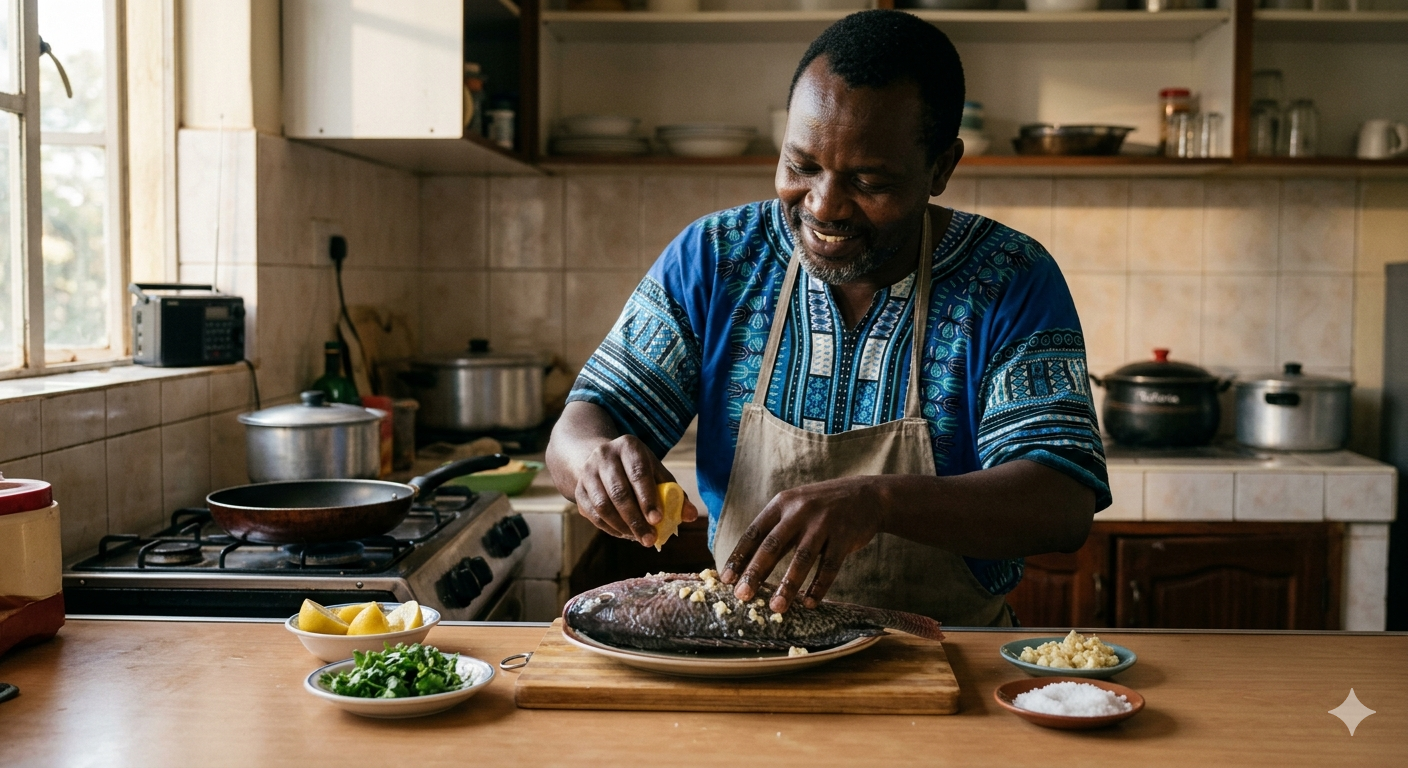
Fish is a common meal in many Kenyan homes, especially in regions near Lake Victoria, where varieties such as mbuta, ngege, kamongo and omena are popular. While fish is loved for its taste and nutrition, many people struggle with one problem while cooking it in the kitchen, it breaking apart while frying.
Start with proper preparation
Preparation matters before the fish even reaches the pan. Fresh fish should be cleaned properly and patted dry using a kitchen towel or tissue. Moisture is one of the main reasons fish sticks to the pan and falls apart during cooking.
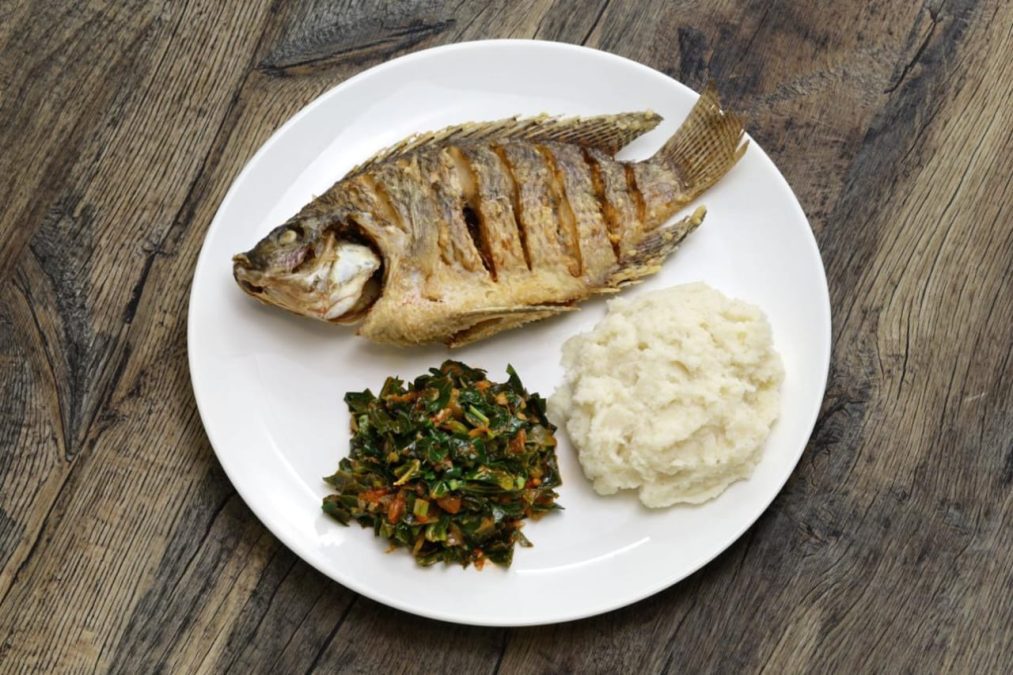
Firm fish like mbuta, which is Nile perch, usually hold together better compared to softer fish. Ngege, which is known as Tilapia, is common in many Kenyan homes and can stay intact when handled gently and cooked on the right heat.
Lightly coating fish with flour before frying helps create a crust that protects the flesh. Some Kenyan home cooks also prefer rubbing the fish with a little lemon juice, garlic, and salt before cooking to improve flavour while keeping the texture firm.
A cooking guide by Food Network noted, “Fish will naturally release from the pan once a crust forms, so avoid turning it too early.” This is one of the simplest but most overlooked steps when frying fish at home.
Use the right pan and control the heat
The type of pan used can also determine whether the fish stays whole or breaks apart. Non-stick pans or well-seasoned frying pans are usually recommended because fish flesh is delicate.
Before placing the fish in the pan, the oil should already be hot enough. When the oil is cold, the fish absorbs moisture and sticks to the surface. However, extremely high heat can burn the outside too quickly while the inside remains uncooked.
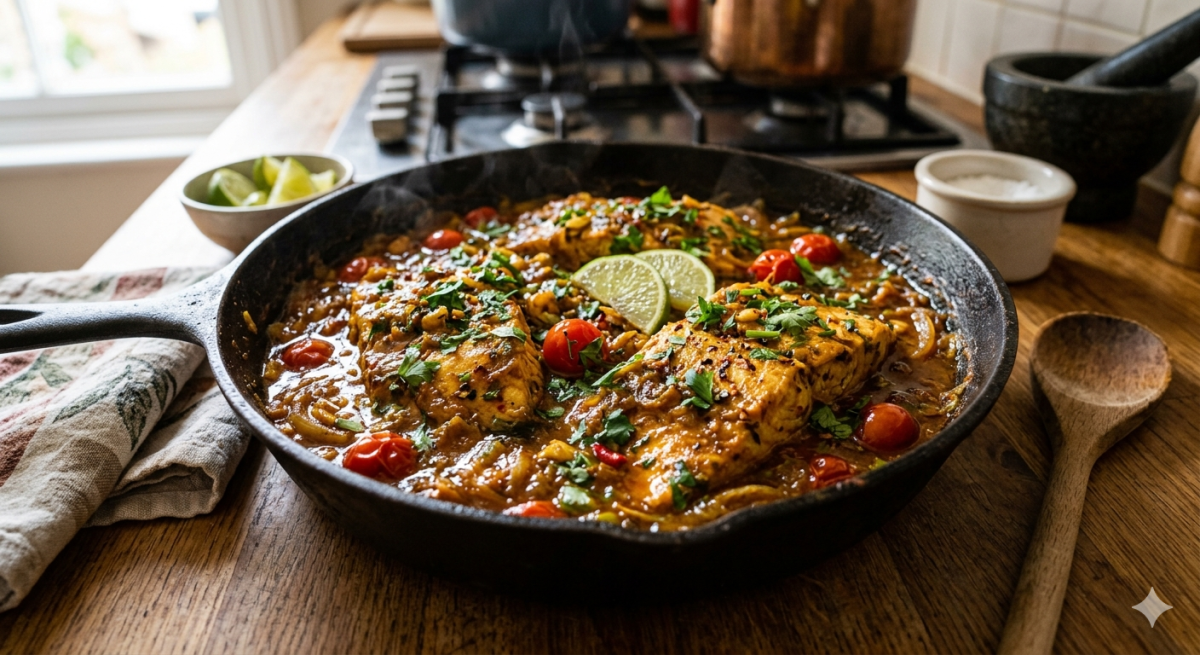
Many Kenyan cooks prefer shallow frying fish until it develops a golden brown crust. This crust helps the fish hold its shape during turning. Overcrowding the pan should also be avoided because too many pieces lower the oil temperature and increase the chances of breaking.
For whole fish such as tilapia, experts recommend turning it only once during cooking. Repeated flipping weakens the flesh and causes it to fall apart.
Handle the fish gently until serving
Even after cooking, fish can still break if handled roughly. Using a wide spatula or flat serving spoon makes lifting easier. Allowing the fish to rest briefly after frying also helps it firm up before serving.
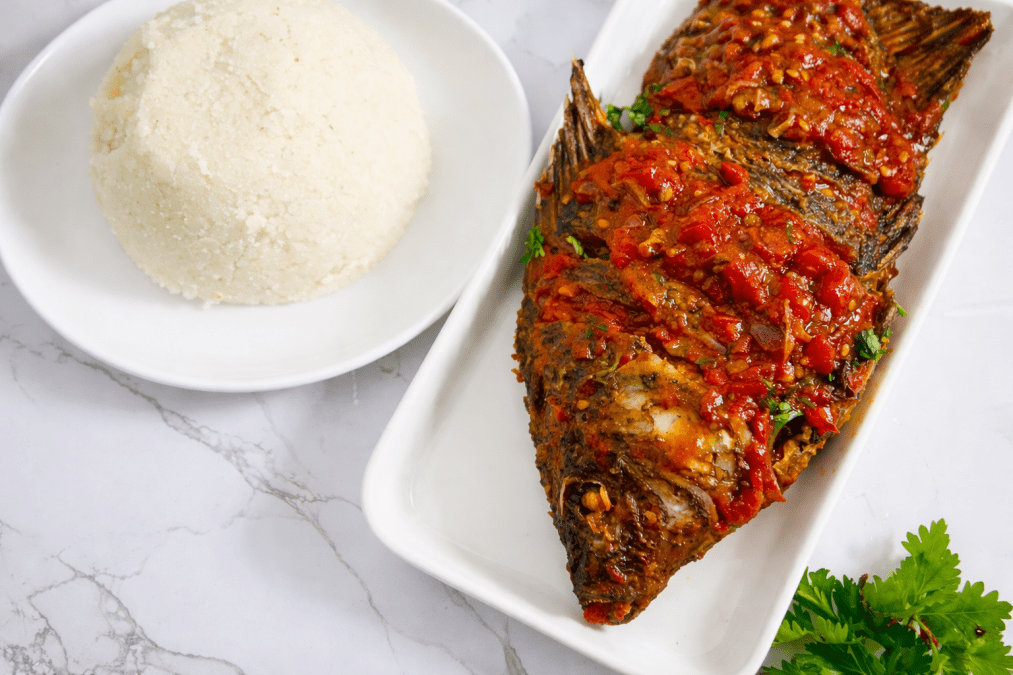
In many Kenyan homes, fish is served with ugali, vegetables or kachumbari, making it a regular family meal. Simple cooking techniques can help maintain both appearance and taste without needing expensive kitchen equipment.
Food preparation resources from the Food and Agriculture Organisation also emphasised gentle handling and proper heat control as key steps in preserving fish texture during cooking.