Advertisement
Best foods for babies including liver and fish
31st March, 2026 11:02 PM
Introducing solid foods is an important stage in a baby’s development.
From around six months, babies require additional nutrients beyond breast milk or formula to support growth, brain development, and immunity.
Choosing the right foods ensures proper nutrition while reducing the risk of deficiencies.
This guide highlights safe, nutrient rich foods such as liver, fish, and other options, explaining what they contain and how they benefit your baby.
When to introduce solid foods
Health guidelines recommend introducing solid foods at about six months of age.
At this stage, babies need more iron, zinc, and energy than milk alone can provide.
Foods should be soft, well cooked, and easy to mash or puree to reduce choking risk.
Liver
Liver is one of the most nutrient dense foods for babies.
It is rich in iron, vitamin A, vitamin B12, and folate. Iron is essential for preventing anaemia and supporting brain development.
Vitamin B12 supports nerve function, while folate helps in cell growth.
Because liver is very high in vitamin A, it should be given in small amounts, about once a week. Overconsumption can lead to excessive vitamin A intake.
Proper cooking is important to ensure safety and digestibility.
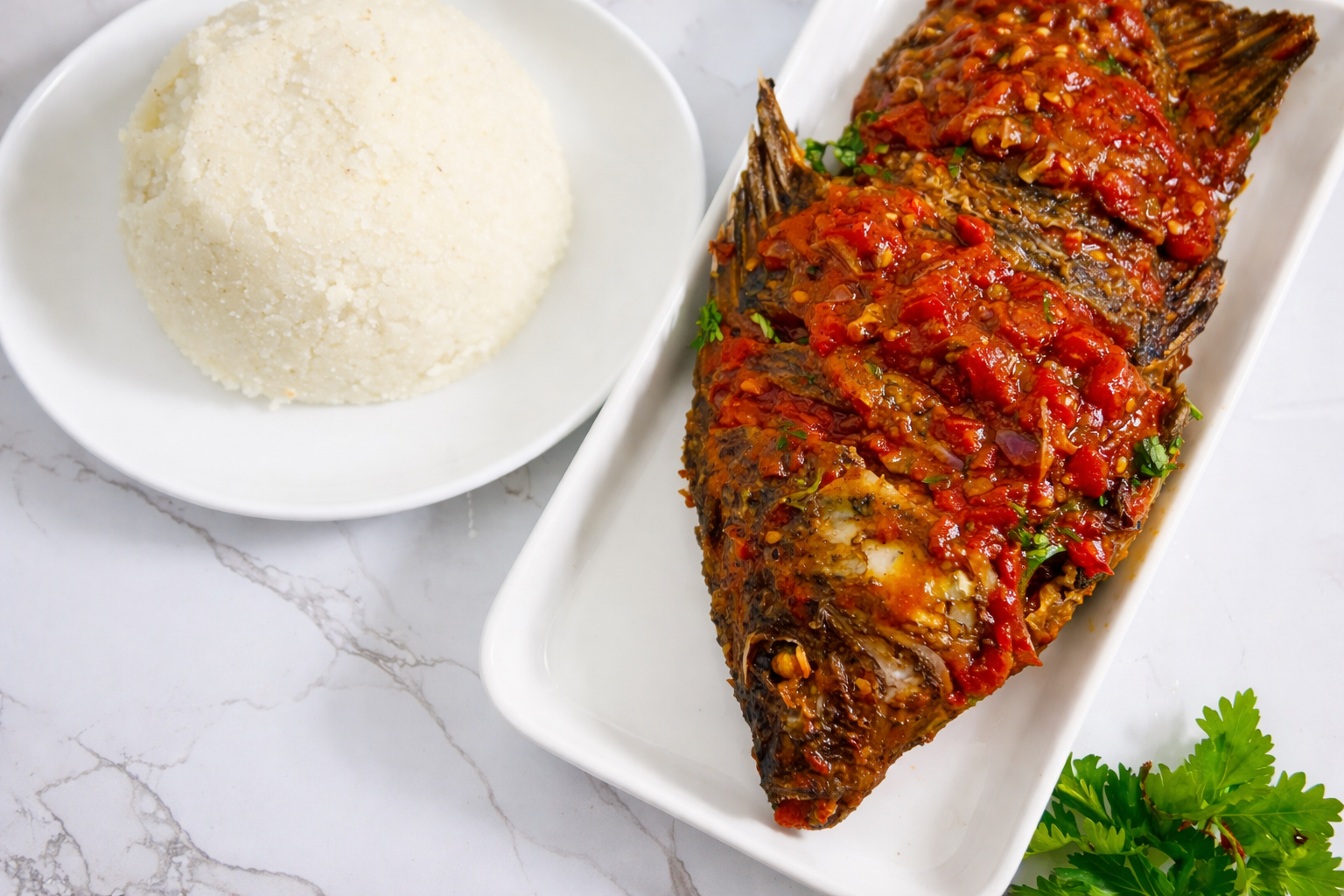
Fish
Fish provides high quality protein and essential fatty acids.
It is rich in omega 3 fatty acids, especially DHA, which supports brain and eye development.
Fish also contains vitamin D, iodine, and selenium, which are important for bone health and metabolism.
Soft, boneless fish such as tilapia or salmon is suitable for babies. It should be well cooked and carefully checked to remove all bones.
Fish can be introduced gradually to monitor for any allergic reactions.
Eggs
Eggs are a complete source of protein and contain essential nutrients.
They provide choline, which supports brain development, as well as vitamins A, D, and B12. Eggs also contain healthy fats that support growth.
Eggs should be fully cooked before feeding to babies to avoid the risk of infection.
Avocado
Avocado is rich in healthy fats and energy.
It contains monounsaturated fats that support brain development and provide a concentrated source of calories.
It also provides fibre, potassium, and vitamins such as vitamin E.
Its soft texture makes it easy to mash and suitable for babies.
Sweet potatoes
Sweet potatoes are rich in carbohydrates, fibre, and beta carotene.
Beta carotene is converted into vitamin A in the body, which supports vision and immune function. The natural sweetness makes them appealing to babies.
They should be cooked until soft and mashed for easy feeding.
Beans and lentils
Beans and lentils provide plant based protein and fibre.
They are also rich in iron, zinc, and folate. These nutrients support growth, digestion, and immune health.
They should be well cooked and mashed to ensure they are easy to digest.
Bananas
Bananas are easy to digest and rich in nutrients.
They provide potassium, vitamin B6, and natural carbohydrates for energy. Their soft texture makes them one of the easiest first foods for babies.
They can be mashed without cooking.
Yoghurt
Plain yoghurt provides calcium, protein, and probiotics.
Calcium supports bone development, while probiotics promote healthy gut bacteria. This supports digestion and immunity.
Unsweetened yoghurt is recommended to avoid added sugars.
Carrots
Carrots are rich in beta carotene and fibre.
They support vision and immune health. When cooked until soft, they can be mashed or pureed for babies.
Feeding your baby a variety of nutrient rich foods such as liver, fish, eggs, vegetables, and fruits supports healthy growth and development.
Each food provides specific nutrients that contribute to brain function, immunity, and overall wellbeing.
Proper preparation, balanced portions, and gradual introduction of new foods ensure safety and help build healthy eating habits from an early age.