Advertisement
Study: Dry spell linked to 29 per cent surge in suicidal thoughts among women in rural Kenya
03rd August, 2025 08:22 AM
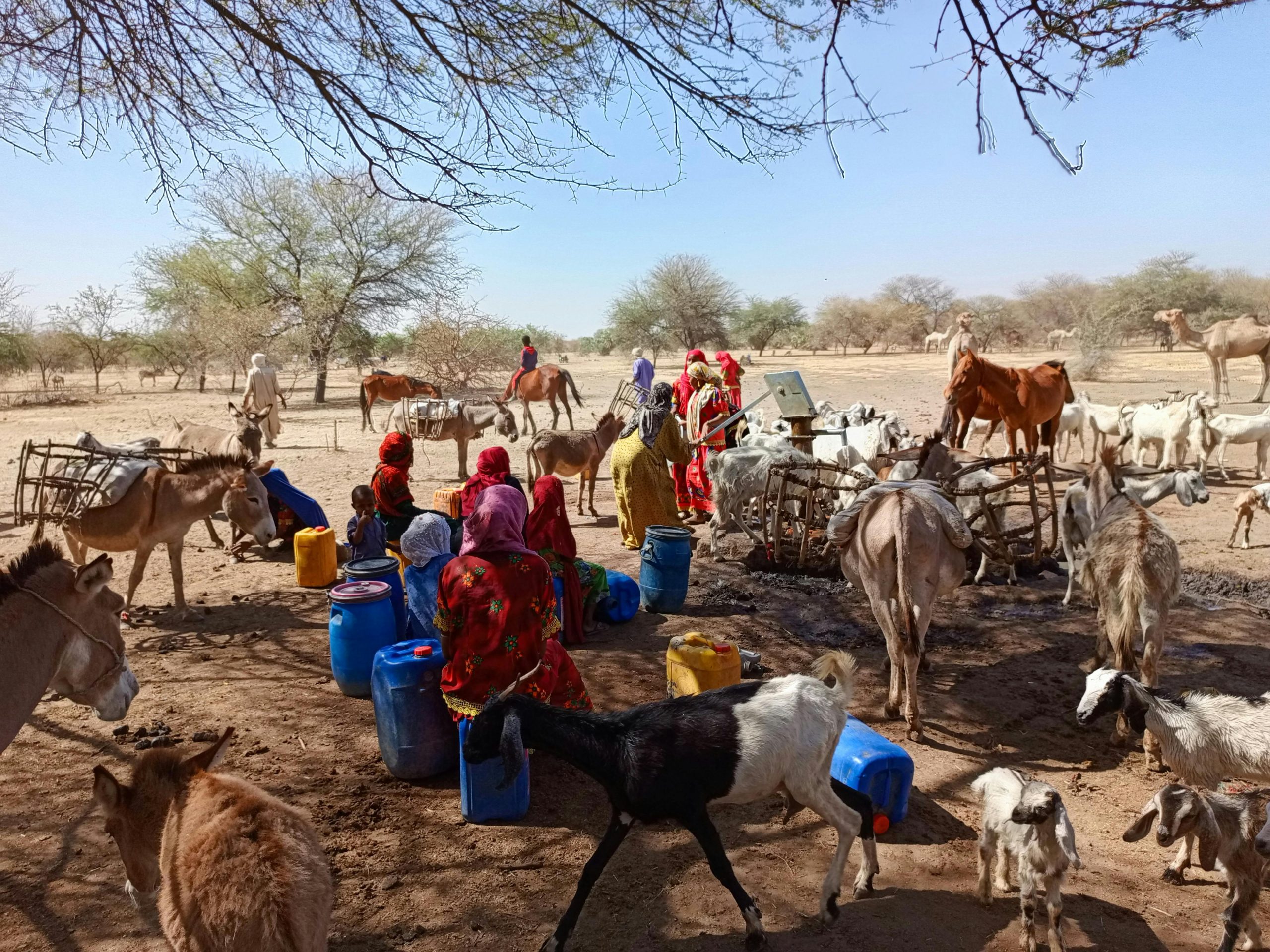
A prolonged dry spell and shifting climate patterns have been linked to a sharp rise in suicidal thoughts among women in rural Kenya, according to a new study.
The study underscores the devastating psychological toll of climate change on the country’s most vulnerable populations.
The research, published online in August 2025 in Science Direct by Cyprian Mostert, an Assistant Professor at Aga Khan University, alongside colleagues from the Brain and Mind Institute, found that a decline in rainfall correlated with a 28.7 per cent increase in suicidal ideation among women living in informal rural settlements.
“There is a decline in rainfall correlated with a 28.7 per cent increase in suicidal ideation among women living in informal rural settlements, highlighting how environmental instability, poverty, and governance failures are deeply intertwined,” the report reads.
The findings paint a stark picture of how environmental stressors such as droughts and extreme heat are silently fuelling a mental health crisis in Kenya’s under-resourced regions.
In addition to the impact of reduced rainfall, the study revealed that drought conditions triggered a 36.7 per cent spike in suicidal thoughts, while heatwaves were associated with a 14.9 per cent increase. When these climate shocks were compounded by surging food prices, a common consequence of crop failure and disrupted markets, the prevalence of suicidal ideation among women rose dramatically, reaching 48.3 per cent.
Lead author Cyprian Mostert explained that “the stressful nature of droughts and reduced rainfall stokes a state of hopelessness,” especially among rural women who often carry the primary responsibility of feeding and caring for their families. With limited access to stable incomes, food, or essential services, these women find themselves under immense and often invisible psychological pressure.
The study focused on Kilifi County’s Kaloleni and Rabai sub-counties among Kenya’s poorest regions, where livelihoods largely depend on subsistence farming and informal economic activities. In these areas, climate instability not only disrupts daily survival but also erodes mental well-being, creating a feedback loop of poverty and psychological distress.
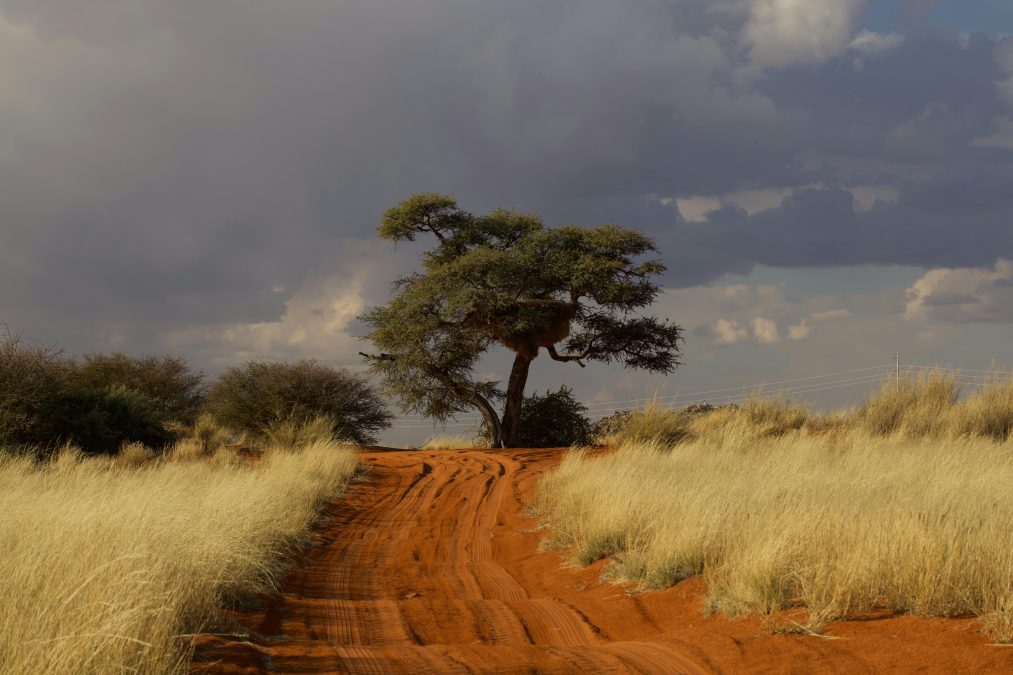
Impact amplified
“These communities face layered vulnerabilities,” the study noted, pointing to chronic poverty, poor housing, inadequate access to clean water and sanitation, high unemployment, and under-resourced schools. Drawing from a sample of 14,801 participants and meteorological data, the researchers established one of the clearest empirical links yet between climate change and rising mental health challenges in rural Kenya.
The report warns that without targeted interventions, the mental health burden tied to climate shocks will only deepen, particularly as global warming intensifies. Mostert and his co-authors are calling for an urgent policy response that integrates mental health services into climate adaptation strategies. Among their recommendations are community-based counselling initiatives, strengthened social safety nets, food aid, and economic empowerment programs tailored to drought-prone areas.
“The government must acknowledge both the physical and mental health consequences of climate change,” Mostert emphasised, urging decision-makers to embed mental health care and psychosocial support into Kenya’s broader resilience and development agenda.
As climate change continues to threaten lives and livelihoods across the country, this study adds to growing evidence that climate resilience must go beyond infrastructure and environmental mitigation. It must also include deliberate, well-funded efforts to safeguard mental health, especially for women and communities living at the edges of formal support systems.