Advertisement
SHA scheme is failing Kenyans, KMPDU warns
03rd September, 2025 07:57 AM

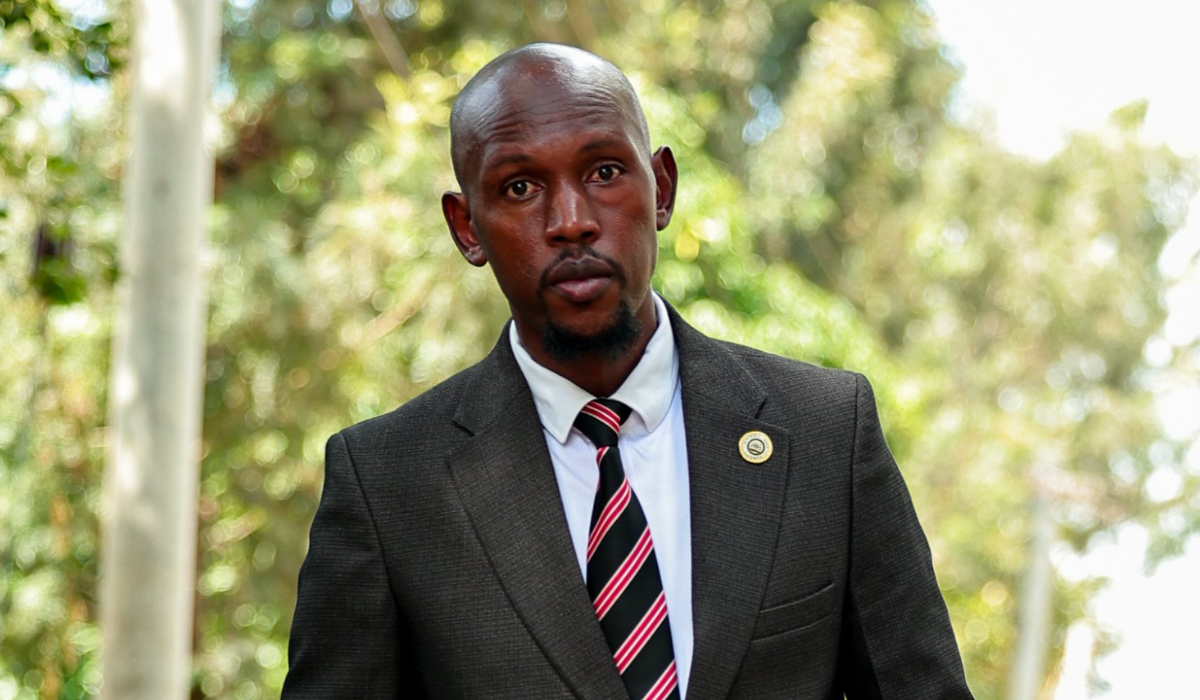
The Deputy Secretary General of the Kenya Medical Practitioners, Pharmacists and Dentists Union (KMPDU), Dennis Miskellah, has strongly criticised the Social Health Authority (SHA), saying the new system is deeply flawed and hurting both healthcare workers and patients.
In an interview on a local TV station on Wednesday, September 3, 2025, Miskellah called out politicians and government officials for failing to anticipate and address key structural weaknesses in SHA before its rollout.
“When I see the politicians and MPs doing press conferences like the rest of us, I wonder, where were they when the system was being built? There was a 25-page document, given by a former CS, outlining why SHA would be problematic, yet it was ignored,” he stated.
Miskellah emphasised that several fundamental principles of social health insurance were disregarded during the implementation of SHA. Chief among them was the concept of adverse selection, where people only register for coverage when already sick.
“You cannot tell people to fall sick, then register and get treated. It is like crashing your car, then asking to buy insurance. You pay Ksh40,000 expecting coverage worth Ksh200,000; it does not add up,” he said.

Another concern raised was the chaotic payment system. According to Miskellah, the unpredictability and delays in claim reimbursements are crippling private healthcare providers and threatening jobs in the sector.
“When you do not pay them on time, our members in the union go without salaries. They cannot pay rent. People are getting fired. Clinics are being shut down,” he said.
In addition, the KMPDU deputy secretary general also warned that SHA may collapse if most Kenyans continue seeking care in private hospitals.
Business
He added that while public hospitals are buffered by government support, private facilities must operate like businesses.
“No one opened a clinic just because they love Kenyans. They are in business. They charge markups to absorb uncertainty. But if SHA does not pay, they are forced to demand cash from patients,” he explained.
Miskellah criticised SHA‘s digital infrastructure, claiming it conveniently works when collecting premiums but fails during reimbursements.
“The other day, I said it is like a ‘market-proof’ system; everything works when collecting premiums, but when it is time to pay out, the system crashes. How is that even possible?” Miskellah posed.
He further pointed out the heavy burden placed on outpatient services, which are not adequately covered under the SHA despite serving the majority of Kenyans.
“Almost 80 per cent of Kenyans seek outpatient services, but they are not covered properly. Then you go to the hospital, and you are told to pay cash, yet you were promised free care. That is why people are saying SHA is not working,” he said.
Miskellah called for a review of the system to drive more patients back to public hospitals, which can better absorb operational costs due to government subsidies.
“We need to stop pretending the current system is working. It is not. And until we fix these gaps, Kenyans will continue to suffer,” he remarked.
He urged the government to listen more to frontline healthcare workers and urgently reform the SHA.
“We must ask ourselves, how can we fix this before it collapses entirely?” he appealed.