Advertisement
World Heart Day: 5 swaps to make for heart-healthy Kenyan stews
03rd September, 2026 10:30 AM
As Kenya joins the world in marking World Heart Day on September 29, 2026, many households are rethinking what goes into their daily cooking pots.
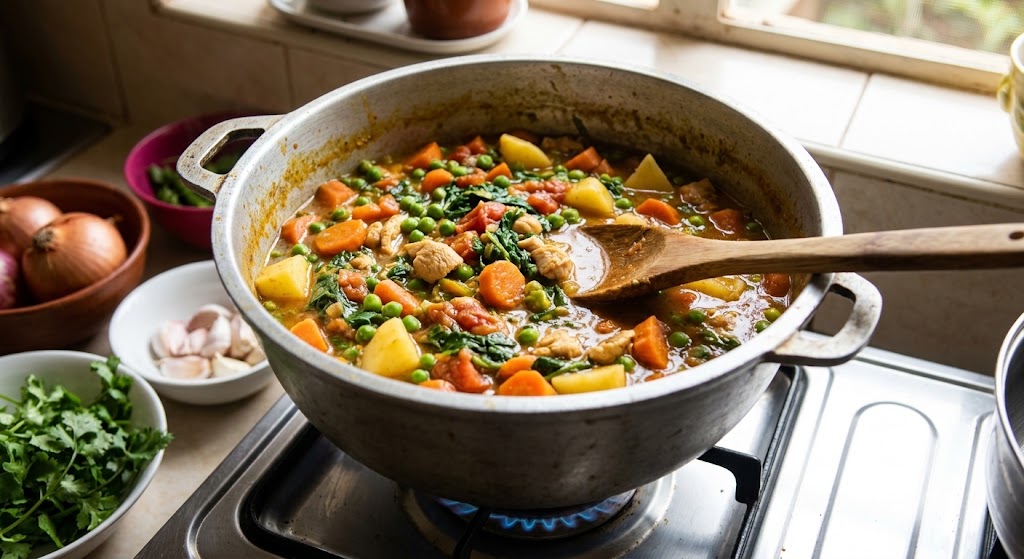
Classic Kenyan stews like beef wet fry, mbuzi stew, chicken curry, and beans are beloved staples across the country.
However, traditional preparation methods often rely on heavy doses of salt, solid fats, and deep frying, which can quietly raise blood pressure and strain the heart over time.
Ingredient tweaks to protect your heart
Making your favourite dishes heart-friendly does not mean sacrificing the rich flavours that make them feel like home. The first swap starts with cooking oil.
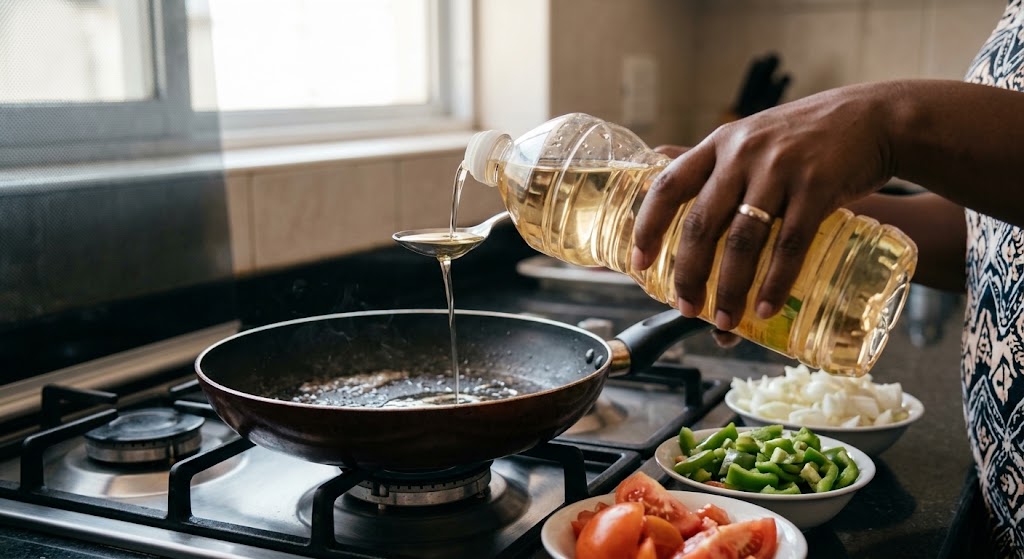
Replacing solid animal fats or palm oil with liquid vegetable oils, such as sunflower or olive oil, cuts saturated fat while preserving taste. Using a tablespoon instead of pouring directly from the bottle can save extra calories without changing the dish.
Secondly, trimming visible fat from meat or choosing leaner cuts before browning reduces excess cholesterol.
The third swap targets sodium. Instead of relying solely on table salt or processed seasoning cubes, cooks can boost flavour using garlic, ginger, turmeric, coriander, and fresh tomatoes.
Peer-reviewed research published in Nutrients notes that “there is a significant linear relationship between dietary sodium intake and cardiovascular disease risk”, showing how even small daily reductions in salt protect blood vessels over time.
Cooking techniques for everyday meals
The fourth adjustment involves shifting from heavy frying to simmering and steaming.
Searing meat quickly in a minimal amount of oil, then allowing vegetables like carrots, indigenous greens, and onions to simmer gently in their own juices creates a rich, thick gravy without extra grease.
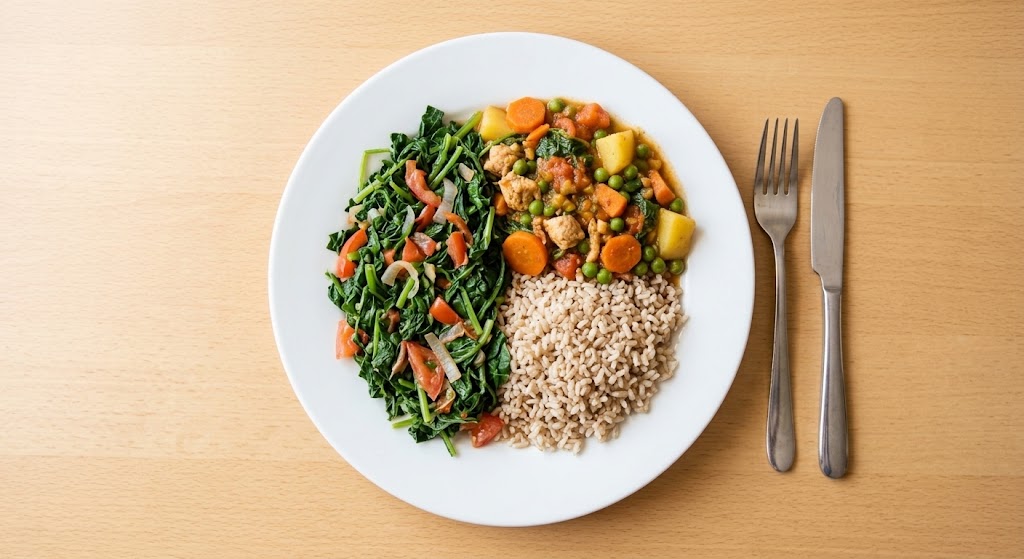
This method preserves natural vitamins while keeping the meal light.
Finally, adjusting portion balance transforms a standard plate into a heart-healthy meal. Filling half the plate with vegetables, a quarter with whole grains like brown rice or sorghum ugali, and a quarter with stew keeps calories in check while delivering vital fibre.
Choosing local ingredients like traditional leafy greens can keep household food costs under Ksh200 per meal while providing key nutrients. With these five small swaps, everyday Kenyan stews remain delicious, nourishing, and kind to the heart.