Advertisement
Tips for fixing a stew that’s turned out too watery
28th September, 2026 08:19 PM
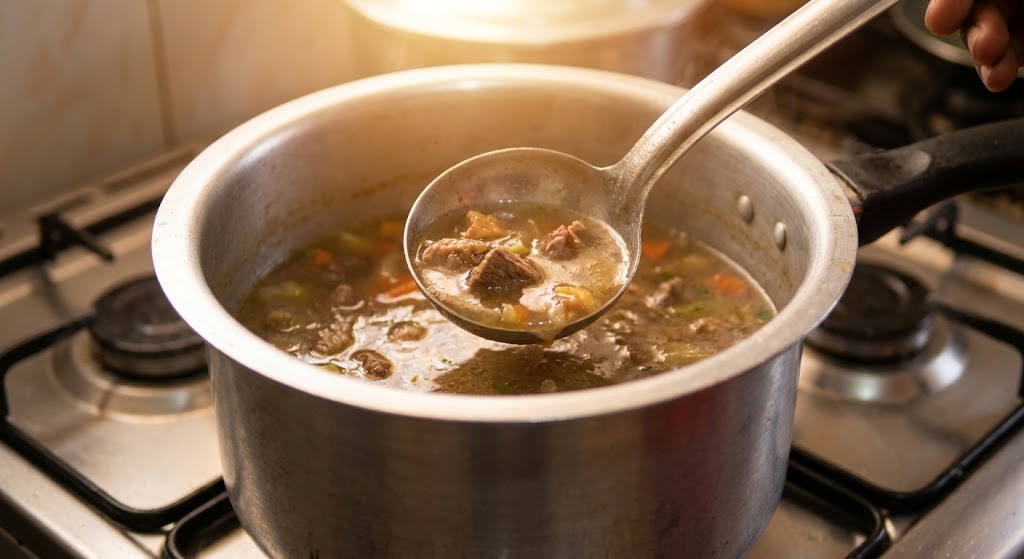
A watery stew is one of the most common kitchen frustration points. You spend time prepping beef, chicken, or beans, only to end up with a pot of soup instead of a rich, hearty gravy.
The good news is that you do not need to throw out the food or start over. With three quick kitchen tricks, you can fix thin gravy and bring back the right consistency.
1. Reduce the liquid through simmering
The easiest way to thicken a stew is to let excess water evaporate. Take off the pot lid, lower the heat, and allow the stew to simmer gently.
Leaving the lid on traps steam inside, which drips right back into your gravy and keeps it thin. Uncovering the pot lets steam escape into the air.
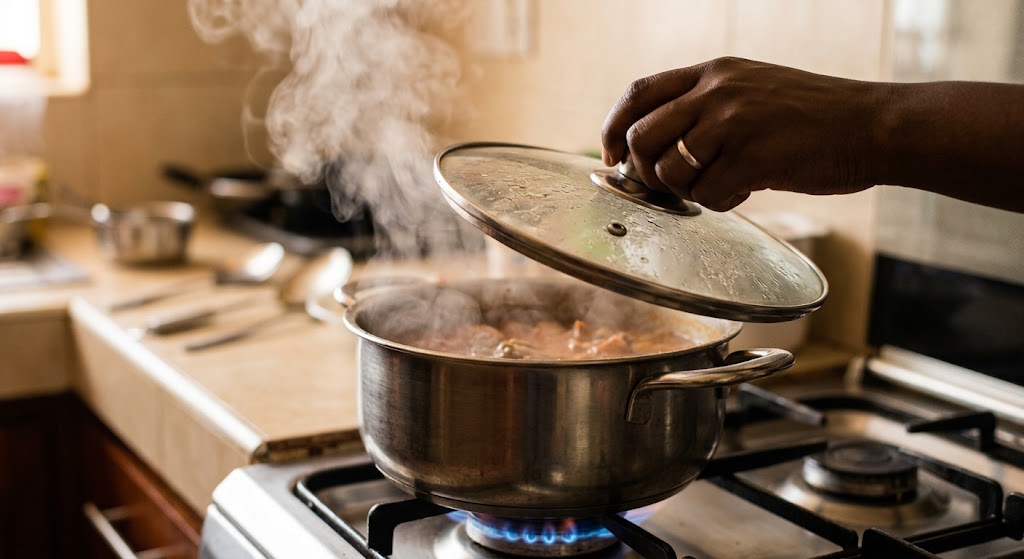
Simmering takes a bit of time, but it preserves every bit of flavour. In fact, as water leaves the pot, spices, tomatoes, and salt become more concentrated, creating a richer taste.
Keep the heat on low so the meat does not turn tough and the sauce does not burn at the bottom. Stir the pot every few minutes to keep everything cooking evenly.
If the stew is already salty, watch out, because reducing liquid will make the saltiness more noticeable.
2. Thickening with starch
When you need results faster, starch is your best friend. A simple cornflour slurry works in minutes. Mix one tablespoon of cornflour with two tablespoons of cold water in a small cup until smooth.
Never add dry cornflour directly into hot stew, or it will form stubborn lumps that refuse to break down.
Pour the smooth mixture into the boiling pot while stirring constantly. Bring the stew back to a gentle boil for two minutes so the raw starch taste cooks out completely.
In food science, a study published in Food Chemistry: X explains that “starch gels are formed by gelatinization and retrogradation of starch,” meaning heat causes starch granules to swell and bind liquid into a smooth, thick sauce.
3. Use potatoes
If you do not have cornflour, use starchy vegetables like potatoes, sweet potatoes, or carrots. Dice a raw potato into small pieces and let it cook directly inside the stew.
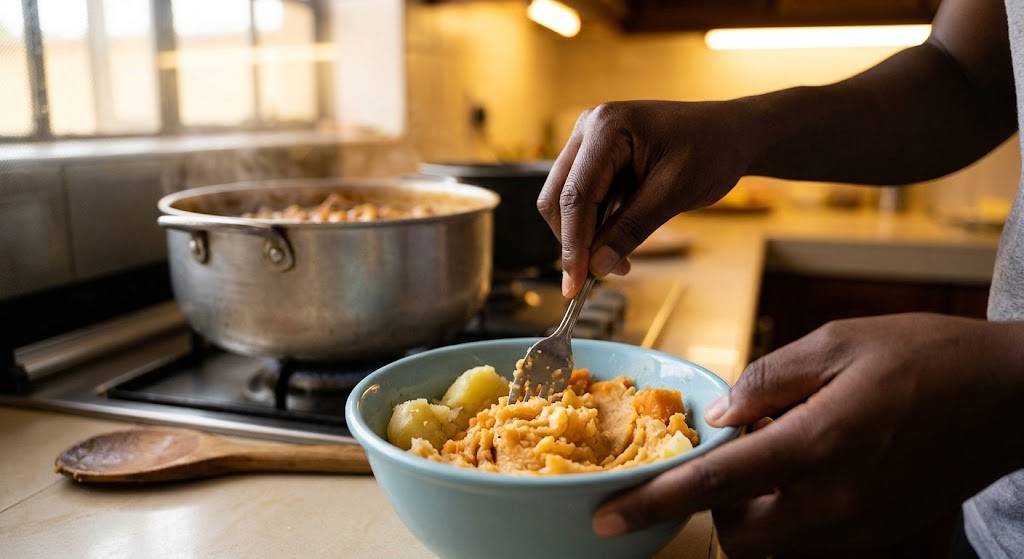
As the potato softens, it releases natural starches that thicken the sauce. Alternatively, scoop out a few cooked potato or carrot chunks from the pot, mash them in a bowl with a fork, and stir them back in.
This thickens the liquid immediately without altering the original flavour profile of your meal.