Advertisement
The art of the stew, where all the skill lives
01st June, 2026 01:50 PM
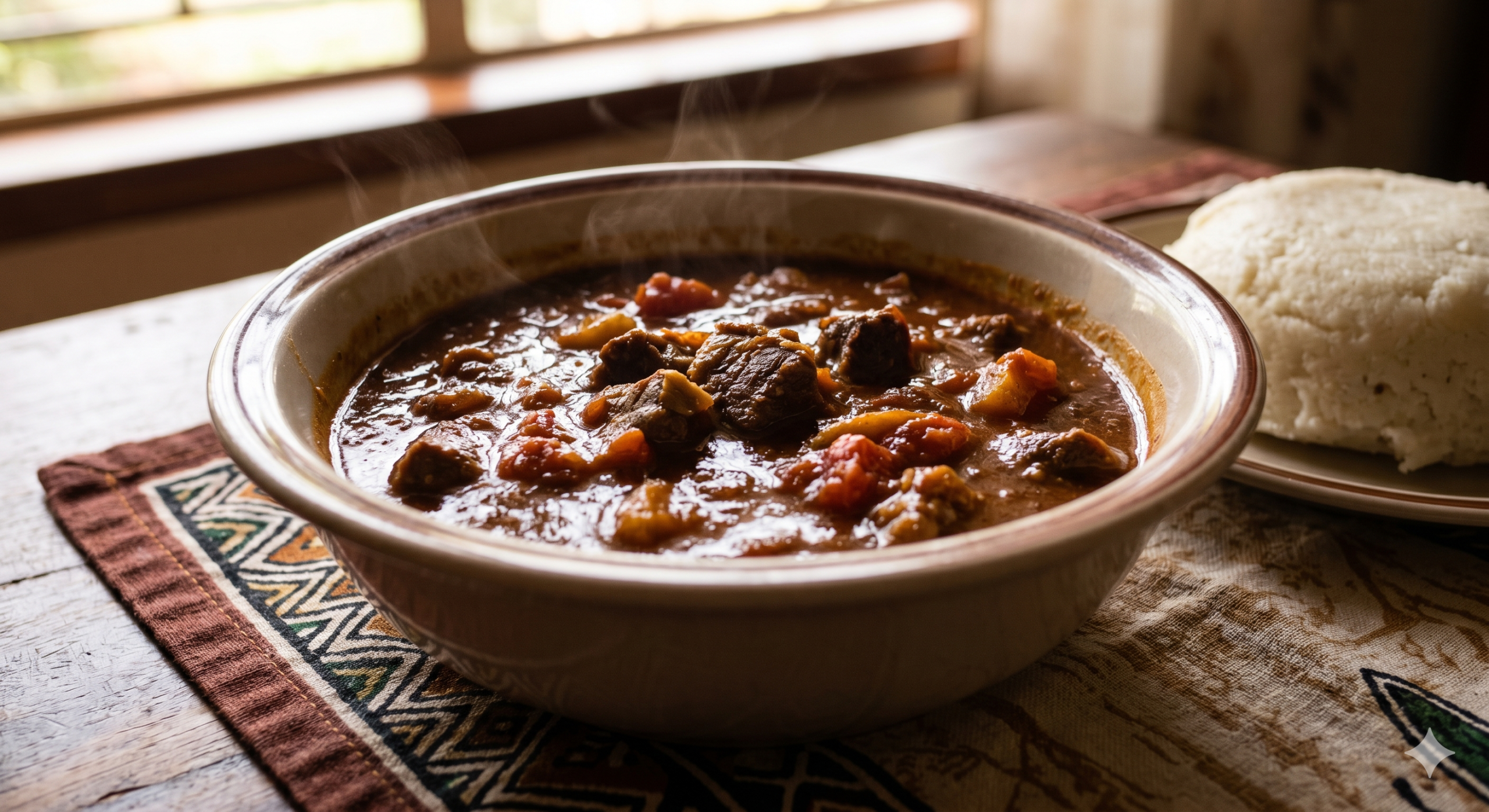
Ask any honest home cook and they will admit it: the stew is where the meal is made or broken. Not the protein. Not the accompaniment. The sauce.
And yet it is also where most people cut corners – a few minutes on the stove, tomatoes that never properly reduced, spices tipped in all at once, and then act puzzled at why the food tastes flat, or sharp, or somehow both at the same time.
The good news is that a deeply flavoured stew is not a matter of secret ingredients. It is a matter of sequence, patience, and understanding what is actually happening in the pot.
Start with the fat and take your time
Whether you are using cooking oil, ghee, or a spoon of butter, it must be hot enough before the onions go in – not smoking, but shimmering.
The onions then need real time. Not the two minutes many people give them, but eight to ten, stirring occasionally, until they are soft, translucent, and beginning to catch the faintest colour at the edges.
This is where the foundation of flavour is built.
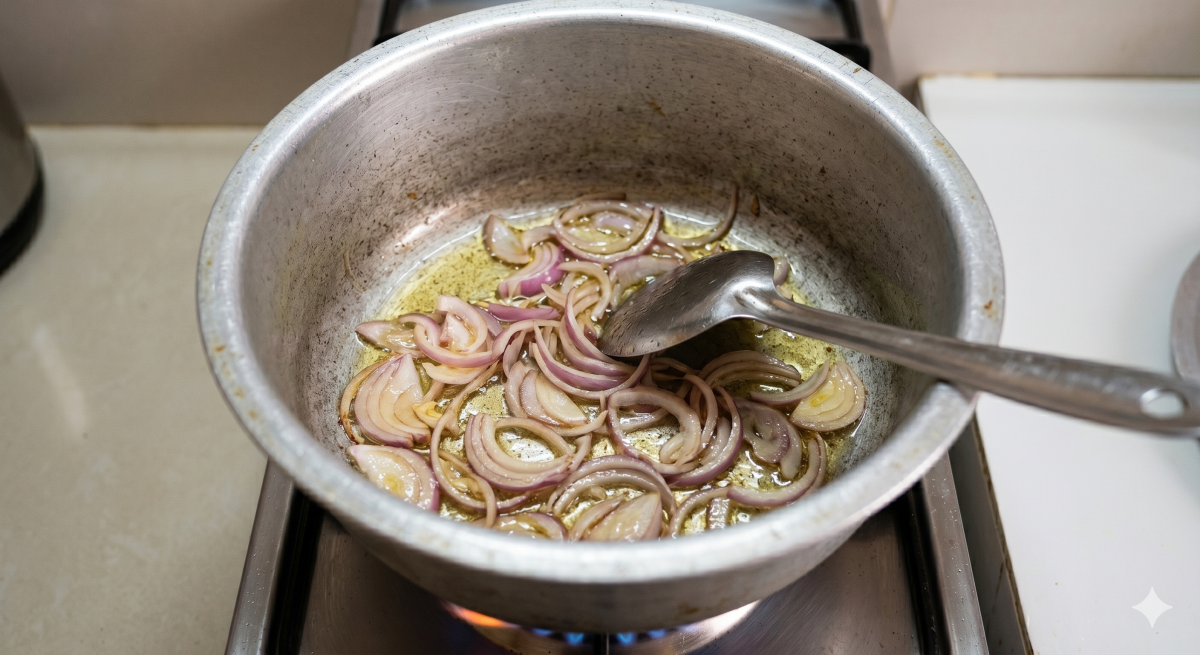
When garlic and ginger follow, they need a minute in the fat before anything else joins them – just long enough to lose their raw edge without burning, which turns them bitter.
The tomatoes come next, and this is where most home cooks lose the sauce. A good stew requires the tomatoes to be cooked down properly, which food scientists describe as a reduction that concentrates the fruit’s natural glutamate, the compound responsible for the savoury, mouth-filling quality that distinguishes a great sauce from a watery one.
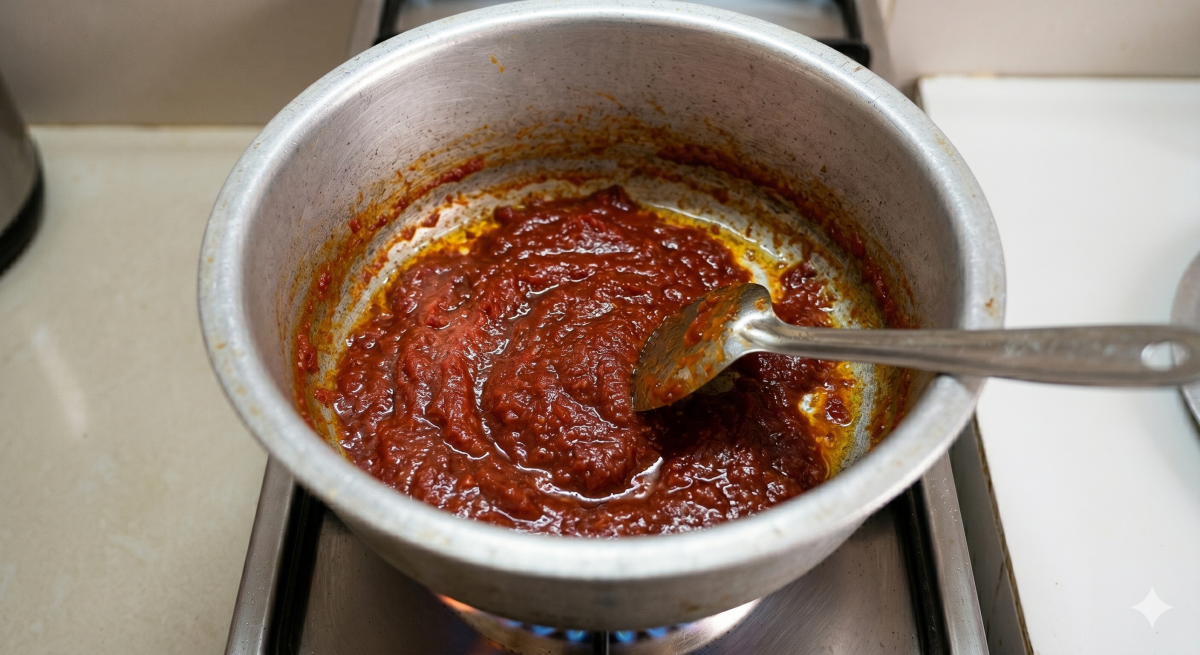
Research published in npj Science of Food confirms that glutamate and umami ribonucleotides are widely present in natural foods, and tomatoes in particular contain free glutamic acid that triggers umami taste receptors, adding complexity and depth rather than a single sharp note
That depth only emerges when the tomatoes have cooked long enough, at least 12 to 15 minutes on medium heat, for the water to leave and the sugars and acids to mellow. A stew built on under-cooked tomatoes will always taste raw and acidic.
Spice sequencing and the finishing touch
Spices should not go in all at once.
Hard, whole spices (cumin seeds, cardamom, a cinnamon stick) belong in the hot fat near the beginning, before even the onions, so that they have time to open up.
Ground spices like turmeric, cumin powder, and coriander powder go in with the tomatoes mid-cook, where the moist heat carries them through the base without burning.
A study published in Frontiers in Nutrition found that the Maillard reaction during heating is a natural process for improving the flavour in various food systems, and that temperature and pH are among the key factors that determine whether the reaction produces the desired depth of flavour or tips into bitterness.
In plain terms: moderate, sustained heat does the work. Rushing the heat rushes the flavour out.
Salt should be adjusted only at the end, once the sauce has reduced to its final consistency and you can taste what you actually have.
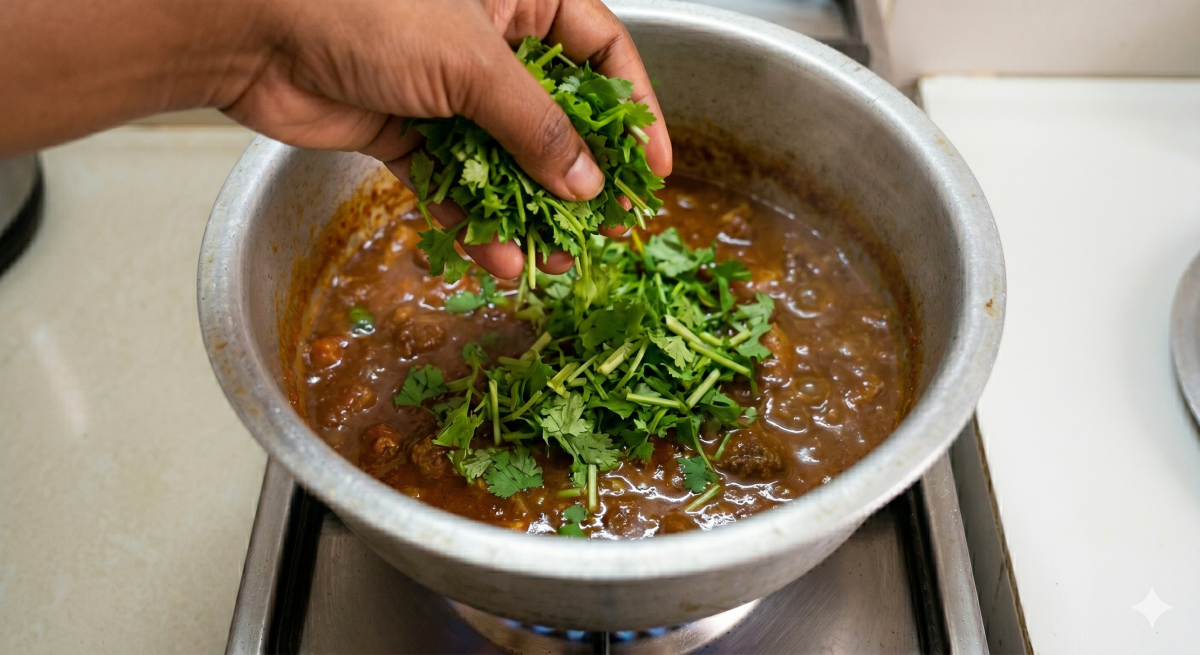
The last step, the one most hurried cooks skip, is the dhania finish. Fresh coriander added in the final minute of cooking, or scattered on after the heat is off, contributes volatile aromatic compounds that lift and brighten the entire sauce.
These compounds are fragile; prolonged heat destroys them. Add the dhania late, and the stew carries both depth and freshness at once.
That combination – patience at the beginning, correct sequencing in the middle, a fresh finish at the end, is the difference between a sauce people remember and one they forget.