Advertisement
6 cooking mistakes that make your food taste bland
21st May, 2026 08:15 AM
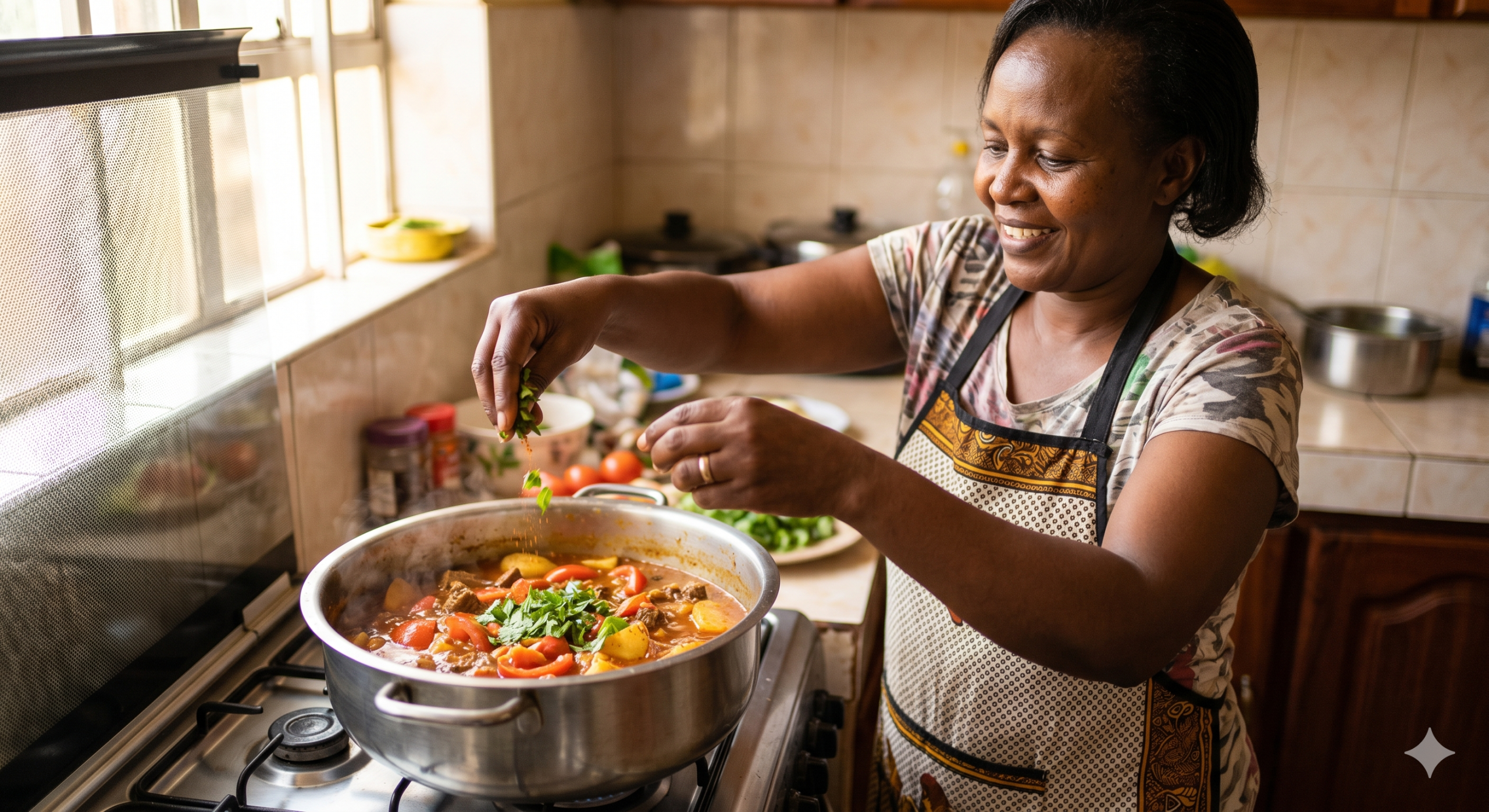
There is a reason some home-cooked meals hit differently from the rest. It is rarely about the ingredients and almost always about technique.
If your food keeps coming out flat, one of these mistakes is likely the culprit. And every single one has a fix you can apply today.
Mistakes you make in your kitchen routine
The most common error is under-seasoning, and the problem is usually timing. Seasoning only at the end of cooking means salt sits on the surface of food rather than working through it.
Salt added early draws moisture and flavour deeper into the ingredient, building a more rounded result.
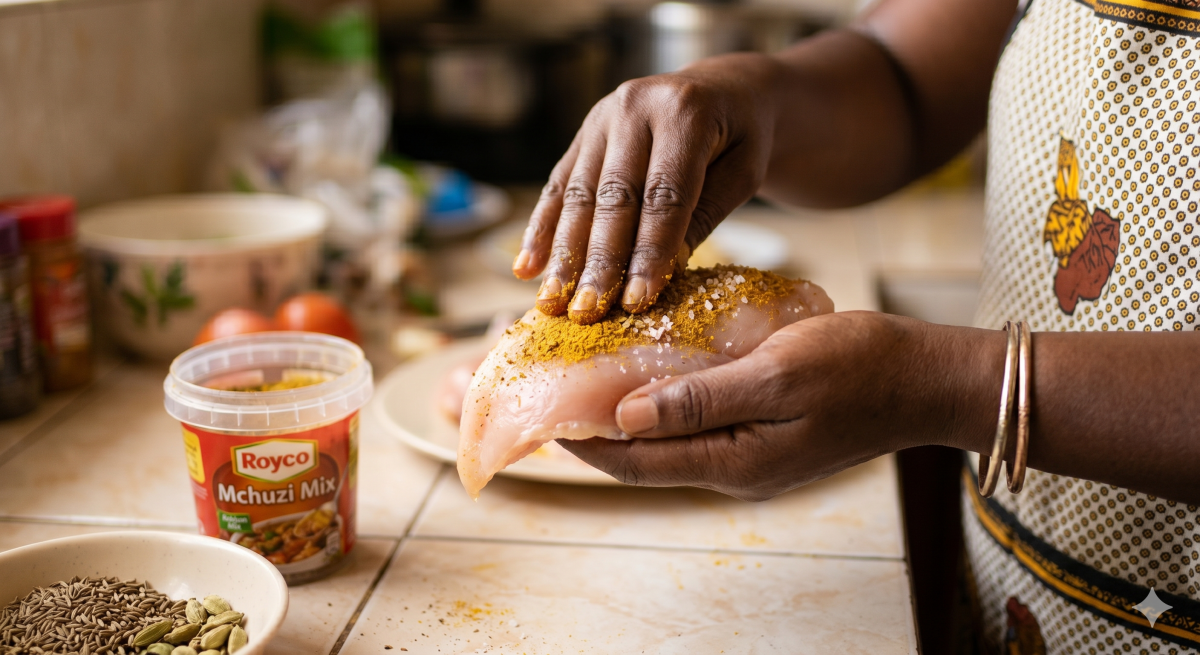
A 2022 study published in the Journal of the Science of Food and Agriculture found that salt paired with herbs and spices during cooking was “perceived as more intense” by tasters even when it contained up to 30 per cent less sodium.
This finding supports seasoning in layers throughout the process, not just before serving.
A crowded pan is the second trap. When too many ingredients go in at once, the temperature drops, and the pan fills with steam.
Meat stews rather than sears it. Vegetables go limp. Cook in smaller batches and give each piece room to breathe.
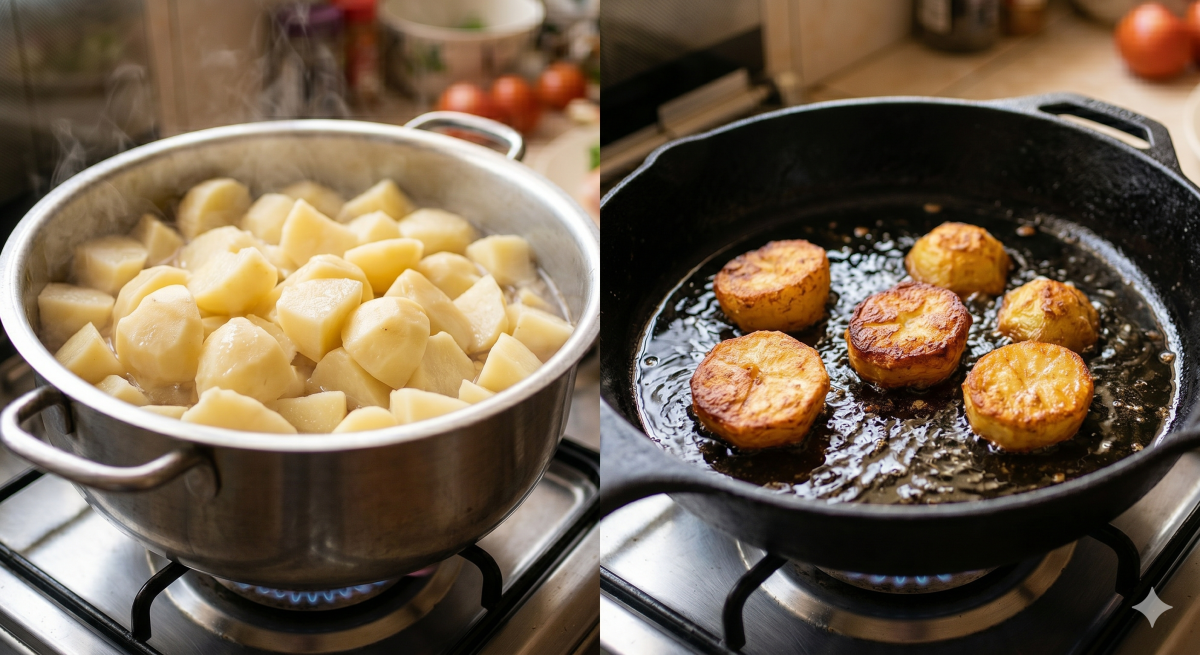
Low heat is the third mistake. That golden-brown crust on meat or fried potatoes is more than cosmetic – known as the Maillard reaction, the heat-driven process in which proteins and sugars interact to build flavour.
A 2024 review in Food Control confirmed that these browning compounds “act on the sensorial aspect of food, providing colour and generating intensity of flavour, aroma, and greater acceptability to consumers”. A timid flame cannot get you there.
The fixes that transform the final result
Spices need heat to do their job. Adding bizari or cumin straight into a sauce means the aromatic compounds never fully release.
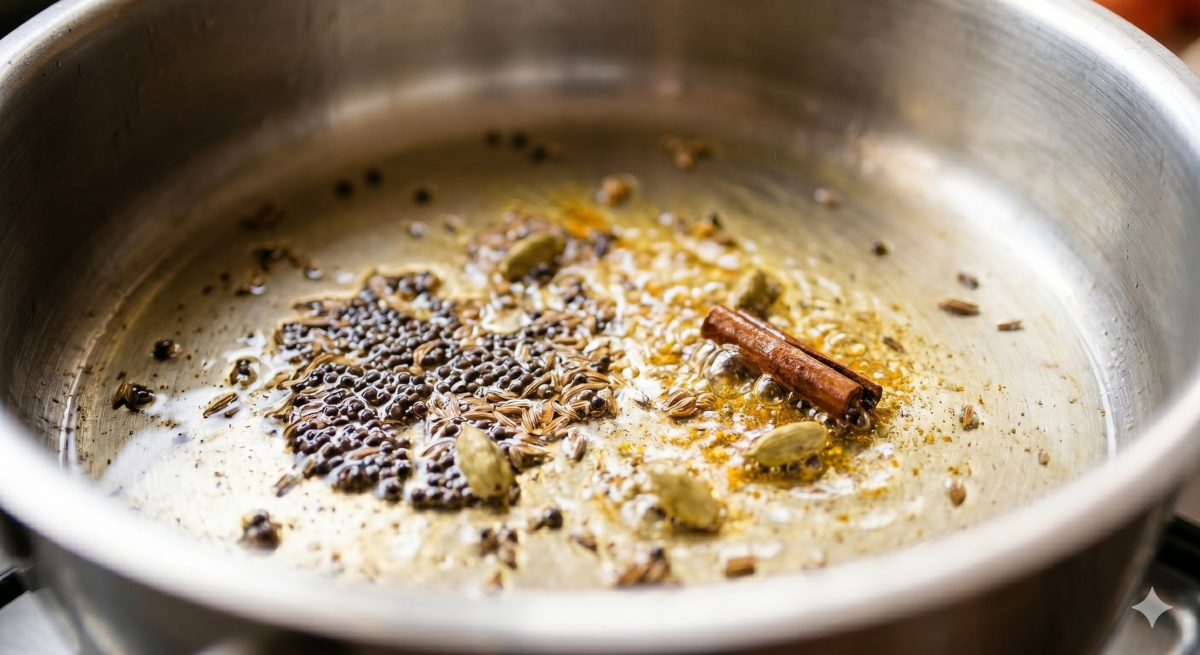
Bloom them instead: drop whole or ground spices into hot oil for 30 to 60 seconds before adding any liquid.
The last mistake is lifting the lid too soon when braising or simmering. Steam carries moisture and fragrance. Every time the lid comes off early, flavour escapes with it. Set a timer, step away, and trust the process.
Good food is less about recipes and more about understanding what heat, salt, and time are actually doing inside the pan.