Advertisement
Uganda declares end of 2026 Ebola outbreak
28th July, 2026 02:34 PM

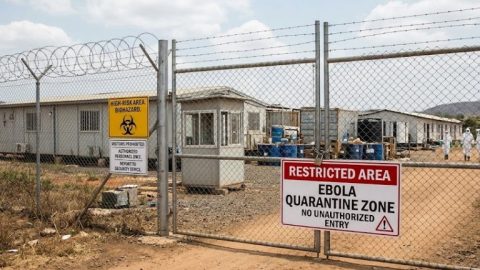
Uganda has officially declared the end of its 2026 Ebola outbreak after completing the mandatory 42-day period without recording a new confirmed case, marking a significant milestone in the country’s efforts to contain the deadly virus.
The announcement was made on Tuesday, July 28, 2026, by Uganda’s Ministry of Health, officially declaring the country Ebola-free and bringing the outbreak to a close.
Health Minister Dr Chris Baryomunsi‘s declaration follows 42 consecutive days without a new confirmed case, counted from the discharge of the last Ebola patient on June 16, 2026, in line with World Health Organization (WHO) guidelines.
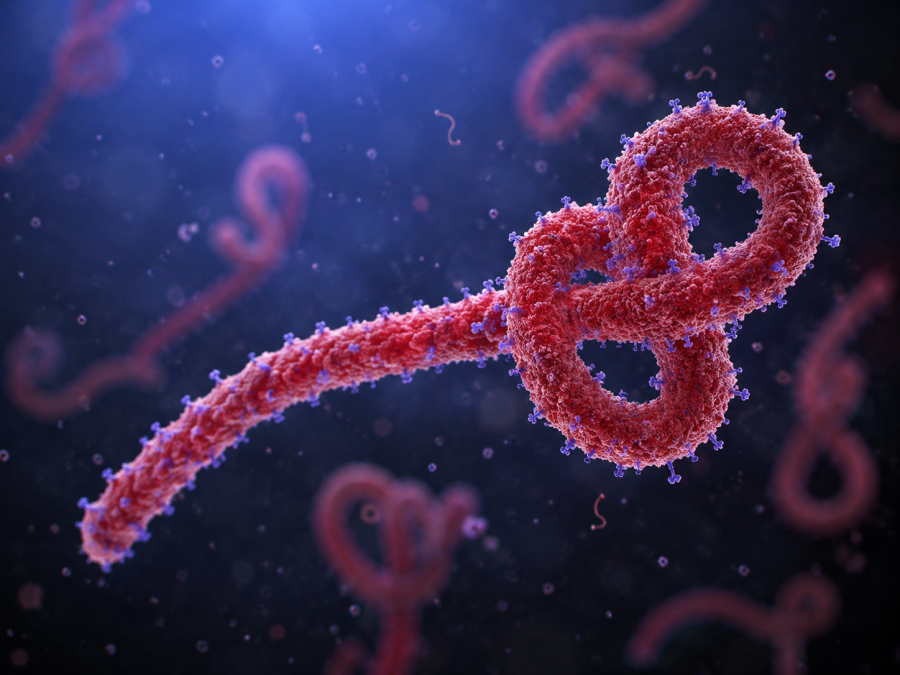
2026 Ebola outbreak
The Ebola Bundibugyo strain outbreak was first confirmed on May 15, 2026, after cases linked to the Democratic Republic of the Congo (DRC) were detected in Uganda.
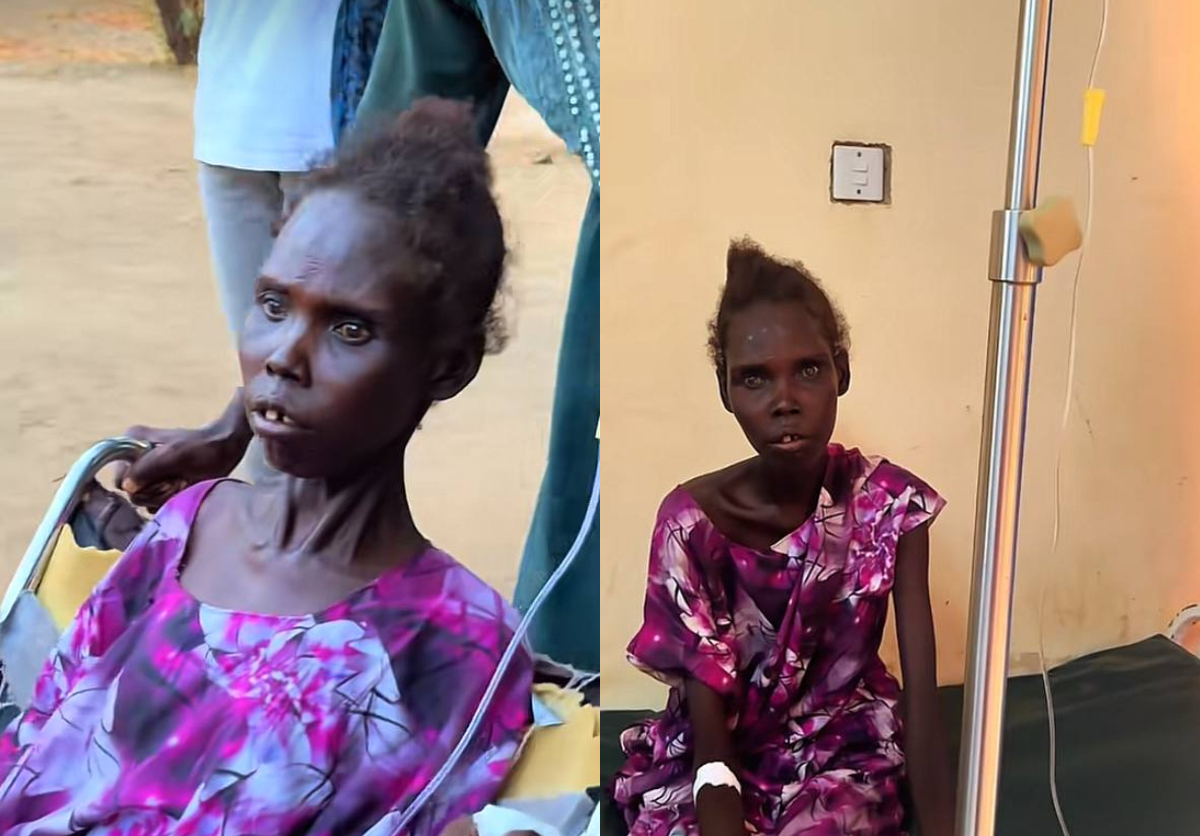
A total of 20 people were infected during the outbreak, with 18 recovering and two succumbing to the disease. Fifteen of the confirmed cases were imported from the DRC, while five involved Ugandan health workers who contracted the virus while caring for infected patients.
The last Ebola patient in Uganda, a Congolese national, was discharged on June 22, 2026, and it has not reported a new case.
According to the Ministry of Health, the outbreak was successfully contained through intensive surveillance, rapid laboratory testing, genome sequencing and digital contact tracing, allowing health officials to identify transmission chains and isolate exposed individuals before the virus could spread further.
Everyone who came into contact with confirmed patients was monitored for 21 days, and no additional infections were recorded.
Bundibugyo virus
According to the WHO, Bundibugyo virus disease is a severe and often fatal form of Ebola caused by the Bundibugyo virus, one of the Orthoebolavirus species.
The virus is believed to originate in fruit bats and can spread to humans through contact with infected wildlife before being transmitted from person to person through direct contact with infected blood, bodily fluids or contaminated surfaces.
The disease has an incubation period of between two and 21 days, with early symptoms including fever, fatigue, headache, muscle pain and sore throat. As the illness progresses, patients may develop vomiting, diarrhoea, internal and external bleeding, and organ failure, making early detection and treatment critical.