Advertisement
Why Kenya is on the brink of following Nepal’s path
10th September, 2025 06:36 AM
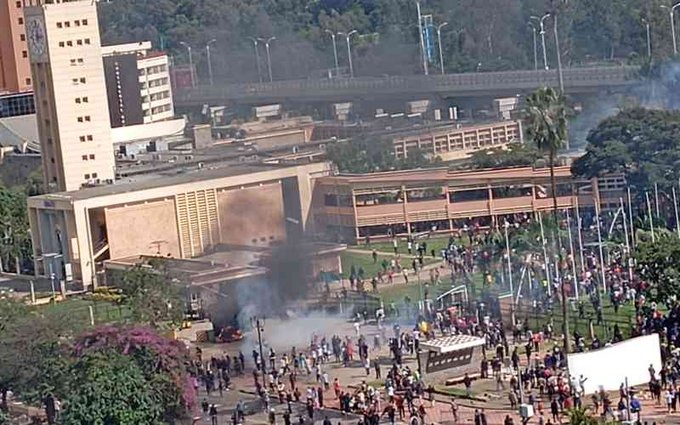
When Gen Z invaded Parliament in June 2024, the political class responded by forming a broad-based pact in the name of national unity, shielding the cesspool.
A year later, the country is teetering on a dangerous precipice, one that resembles the path Nepal took before its own political implosion.
From entrenched corruption to extrajudicial killings and a ruling class obsessed with self-preservation, the warning signs are glaring. If ignored, Kenya may soon mirror the fate of Nepal’s dysfunctional and fractured governance.
Nepal’s fall from a constitutional monarchy to a flailing republic marred by political instability was not overnight. It was a slow-burning implosion fuelled by years of government inefficiency, endemic corruption, and the alienation of its population.
The demonstrations led by Gen Z resulted in the resignation of Prime Minister Sharma Oli on Tuesday, September 10, 2025.
Kenya’s current trajectory is eerily similar, and unless radical reforms are initiated, it is not a matter of if, but when, the system collapses under its own weight.
Corruption and extra-judicial killings
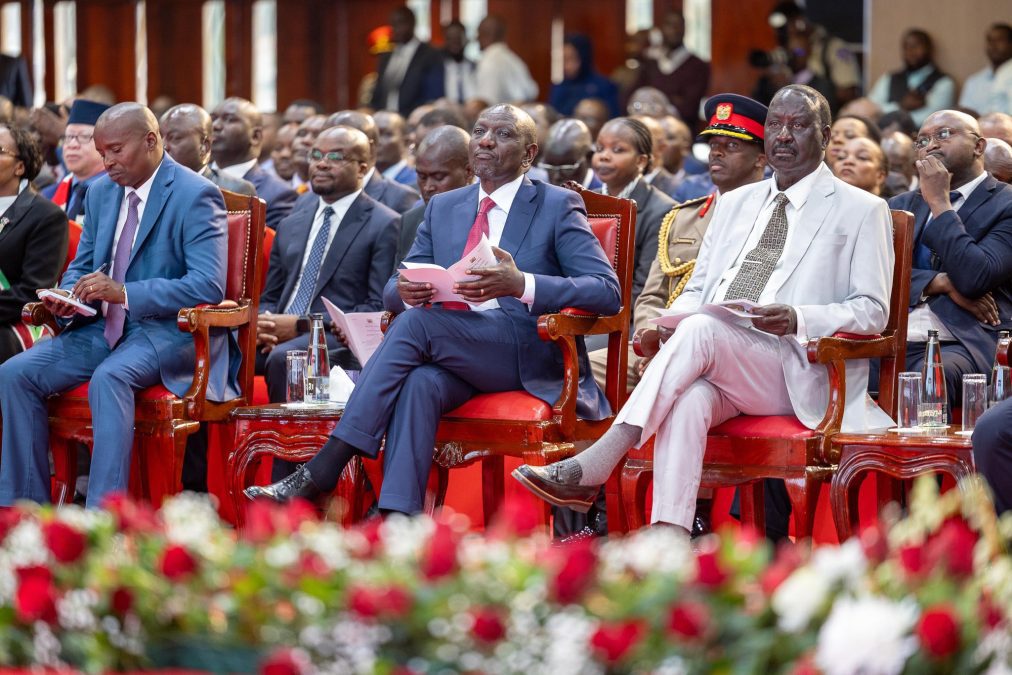
Kenya’s political class has long treated public office as a gateway to personal enrichment rather than public service. The country’s anti-corruption agencies, though well-funded and frequently in the spotlight, have become toothless.
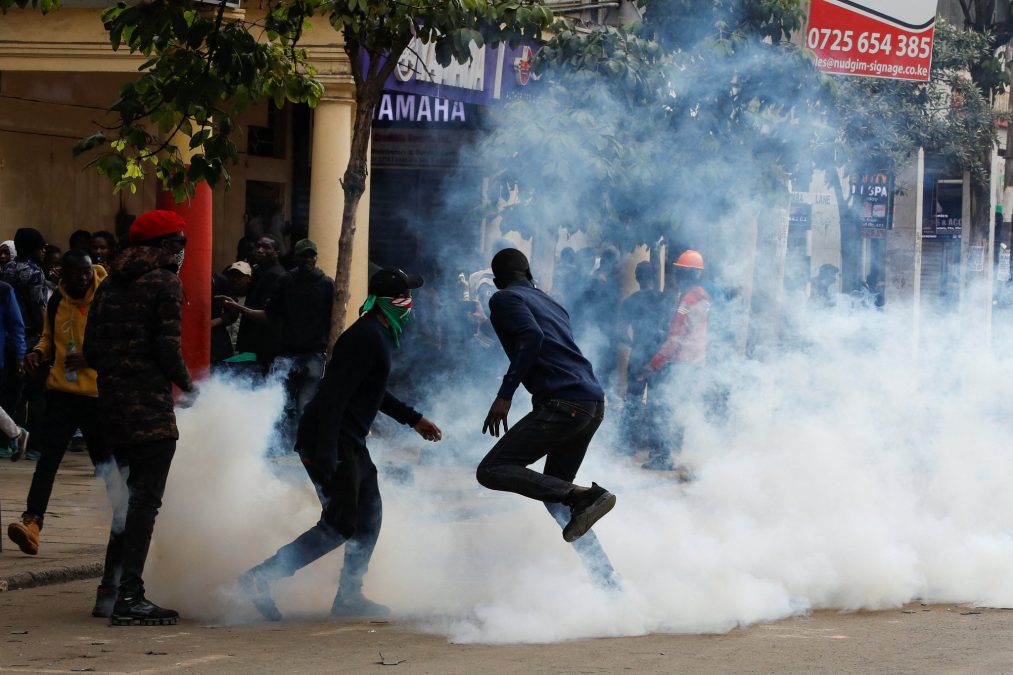
Prosecutions are often cosmetic, serving more as political smokescreens than genuine efforts to address graft. Grand corruption scandals, from the Arror and Kimwarer dam scandals to the more recent SHA, are routinely swept under the rug.
Meanwhile, millions of Kenyans continue to live in poverty, struggling with high inflation, high unemployment, and a healthcare system that is essentially broken. The disconnect between the governing elite and the suffering masses has never been starker. This erosion of trust in public institutions is exactly what created the perfect storm in Nepal: when people stop believing in systems, they start believing in the streets.
In any functioning democracy, the right to life and a fair trial are sacred. In Kenya, they are negotiable. The persistent cases of extrajudicial killings, particularly by rogue elements in the police and security forces, paint a picture of a state that has normalised impunity. Victims are often young men from poor neighbourhoods or even political dissidents. Rarely is there accountability.
Nepal’s decade-long Maoist insurgency was, in part, fuelled by such state-sanctioned violence. When people are cornered and denied justice, they begin to believe that only rebellion will give them a voice.
Drunk on power
The political elite have become increasingly out of touch, engaging in political theatrics while failing to deliver tangible development. From bloated government appointments to tribal kingpin politics, every move is about self-preservation and securing personal or ethnic advantage.
This brand of selfish leadership is precisely what disillusioned the Nepali population. In both countries, the lack of ideological clarity, with politicians frequently switching parties, alliances, and positions, underscores the absence of true leadership. It is not about principles; it is about proximity to power.
Nepal’s descent into political chaos eventually culminated in a new republic, but not without cost: years of civil conflict, economic stagnation, and a deeply fragmented political landscape. Kenya still has a chance to rewrite its trajectory, but that window is closing fast.
For real change, Kenya needs more than a new election cycle. It needs institutional overhaul: a truly independent judiciary, accountable leadership, and civic empowerment that transcends tribal lines.
Civil society and the youth must rise to demand not just reform but transformation. Otherwise, like Nepal, Kenya will find itself searching for democracy in the rubble of a failed system.