Advertisement
Nation-building or household bleeding? Inside Kenya’s Housing Levy crisis
25th July, 2025 07:50 AM

The Affordable Housing project, a flagship policy of President William Ruto’s Kenya Kwanza administration, is teetering on the edge of collapse—not just under the weight of court battles and political pledges, but because it’s fundamentally out of touch with the lived realities of Kenyans.
As Democratic Action Party of Kenya (DAP-K) leader Eugene Wamalwa vows to scrap the levy if elected in 2027, calling it the “country’s biggest scandal” and a “conduit for corruption,” the government scrambles to restructure it.
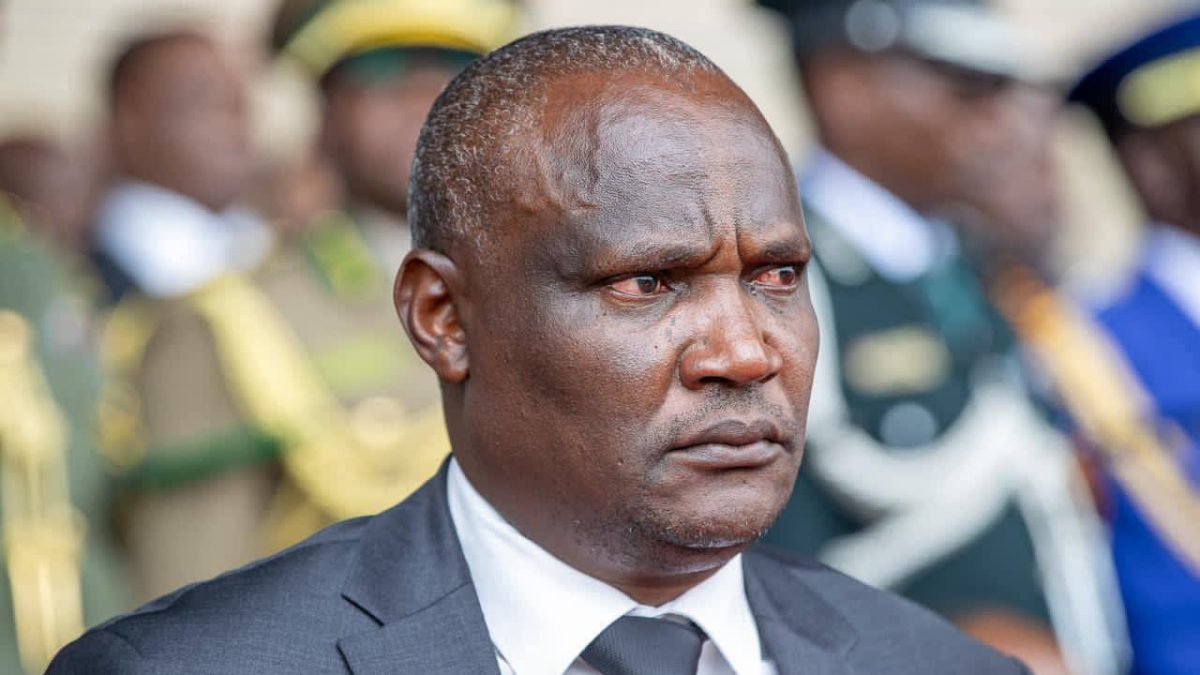
National Treasury Cabinet Secretary John Mbadi admits the levy’s flaws, hinting at reforms to address growing discontent. But the real issue isn’t just legality or transparency—it’s the social math. In a nation suffocating under taxes, inflation, and joblessness, why is the state punishing the poor to fund homes that may never materialise for them?
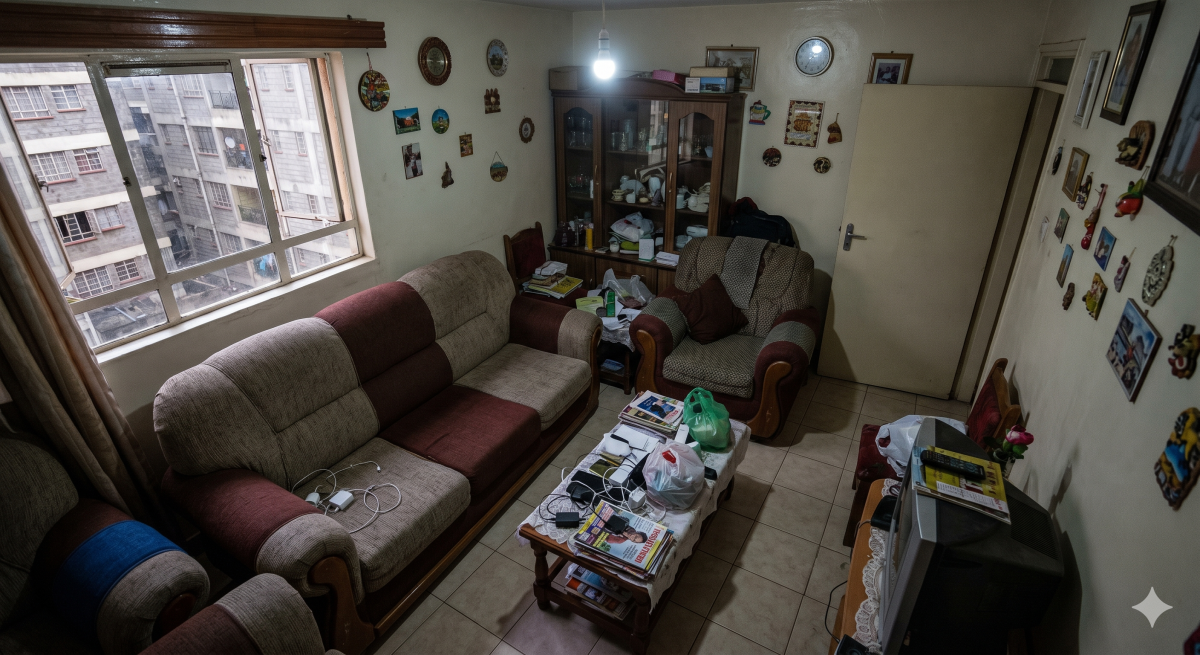
Introduced in 2023, the levy mandates a 1.5 per cent deduction from employees’ gross salaries, matched by employers, to fund affordable housing for low- and middle-income Kenyans.
The promise was bold: 200,000 housing units annually and 600,000 jobs created. Yet, two years later, the policy has sparked more protests than progress.
High Court rulings in 2023 declared the levy unconstitutional for discriminating against formal sector workers while sparing the informal sector, though a stay until January 2024 allowed the government to appeal. By October 2024, the High Court upheld the revised Affordable Housing Act, but public trust remains eroded.
Wamalwa’s scathing critique during a local TV appearance on July 24, 2025, captures the growing scepticism: “When it began, it was intended for Kenyans to acquire houses, but now it’s about creating employment opportunities for the youth. They are now building markets with the money and counties and using it as a campaigning tool.”
When the poor fund the privileged
Wamalwa’s accusation that the levy has morphed from a housing solution into a political slush fund resonates with many. He claims the funds, deducted from hard-earned salaries, are being funnelled into markets and county projects with little transparency.
“It’s the country’s biggest scandal,” he declared, promising to abolish it and “return the money to Kenyans’ pockets.”
Meanwhile, Mbadi’s acknowledgement on June 5 that “individual employees with payslips have complaints that cannot be ignored” signals a government on the defensive, groping for a fix to a policy that’s haemorrhaging public support.
But the levy’s unsustainability isn’t just about corruption allegations or legal battles—it’s about the crushing burden it places on Kenyans already stretched thin. Inflation is soaring, with the cost of basics like unga and fuel eating into household budgets. Unemployment, especially among the youth, hovers at crisis levels.
For the average Kenyan—whether a boda rider, a mama mboga, or a civil servant—the levy isn’t just a deduction; it’s a betrayal.
A deduction without direction
Civil servants, often seen as the backbone of Kenya’s formal sector, are equally frustrated. An employee who earns Ksh40,000 monthly, after taxes, NHIF, NSSF, and now the housing levy, what’s left can barely cover rent and school fees.
The levy’s defenders argue it’s a necessary sacrifice for long-term gains. Ruto’s government insists it will deliver homes and jobs, easing Kenya’s housing deficit and boosting the economy.
Mbadi has touted its “serious benefits,” like job creation and infrastructure development. But the numbers don’t add up. The cheapest units remain out of reach for low-income earners, and the job creation claims—600,000 jobs promised—are hard to verify when funds are reportedly diverted to markets and county projects.
When promises become pressure
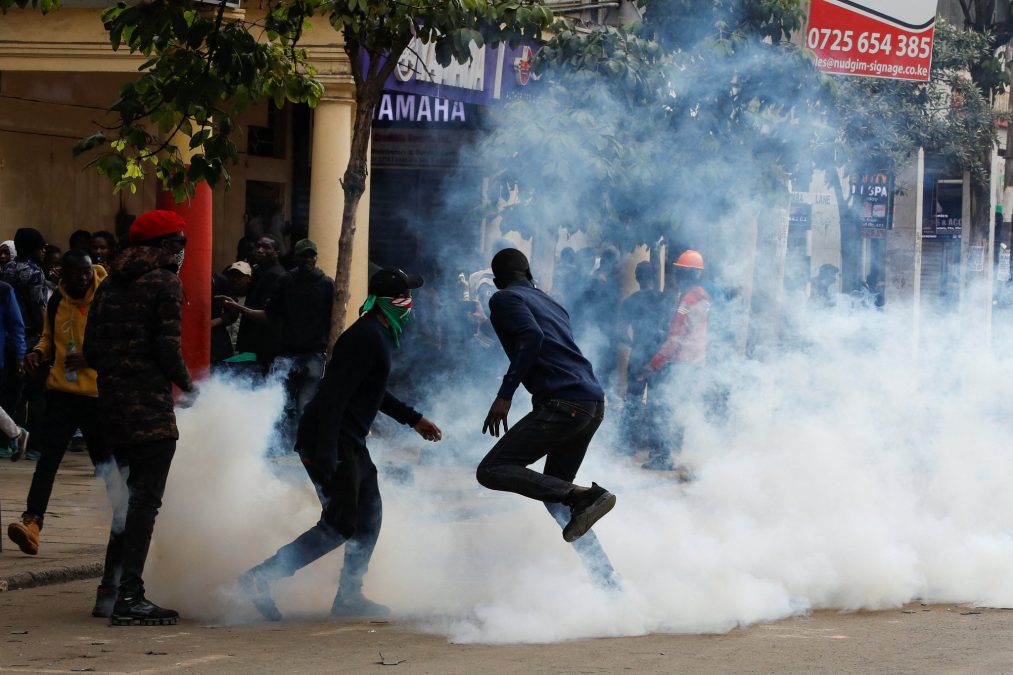
Economic protests, like those witnessed in July 2024/25, signal a public nearing its breaking point. Kenyans flooded the streets in opposition to the Finance Act 2024/25, which introduced the levy and doubled fuel taxes. The unrest wasn’t just about the levy; it reflected a government perceived as indifferent to its people’s struggles.

Wamalwa’s pledge to scrap the levy taps into this frustration, but it comes with risks. Removing it could strain public finances, especially with Kenya’s rising debt-to-GDP ratio. Still, the government’s insistence on restructuring, rather than rethinking, ignores the core issue: the levy is untenable in a country where survival itself is a daily hustle.
Mbadi’s promise of “more pronouncements” feels more like stalling than solving. Kenyans aren’t demanding miracles—they want transparency, fairness, and relief from a system that keeps asking for more while giving less. Until then, the housing levy remains a symbol of disconnect: a dream for the few, funded by the suffering of the many.