Advertisement
Kenya Airways Cape Town incident: How safe are planes after a tyre burst during landing?
06th August, 2026 03:24 PM
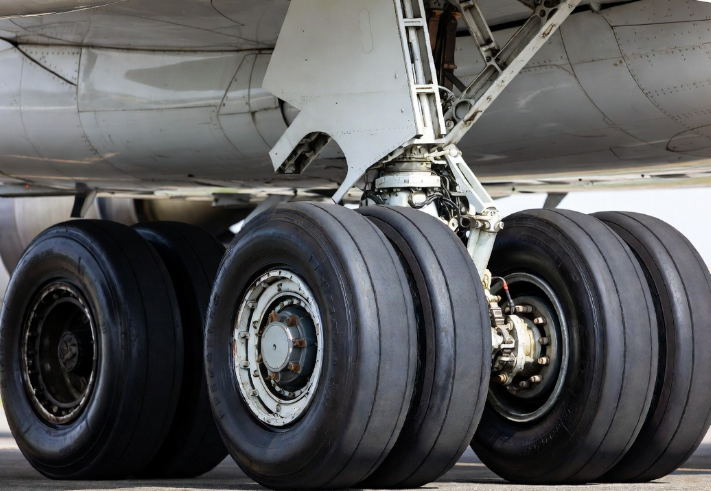
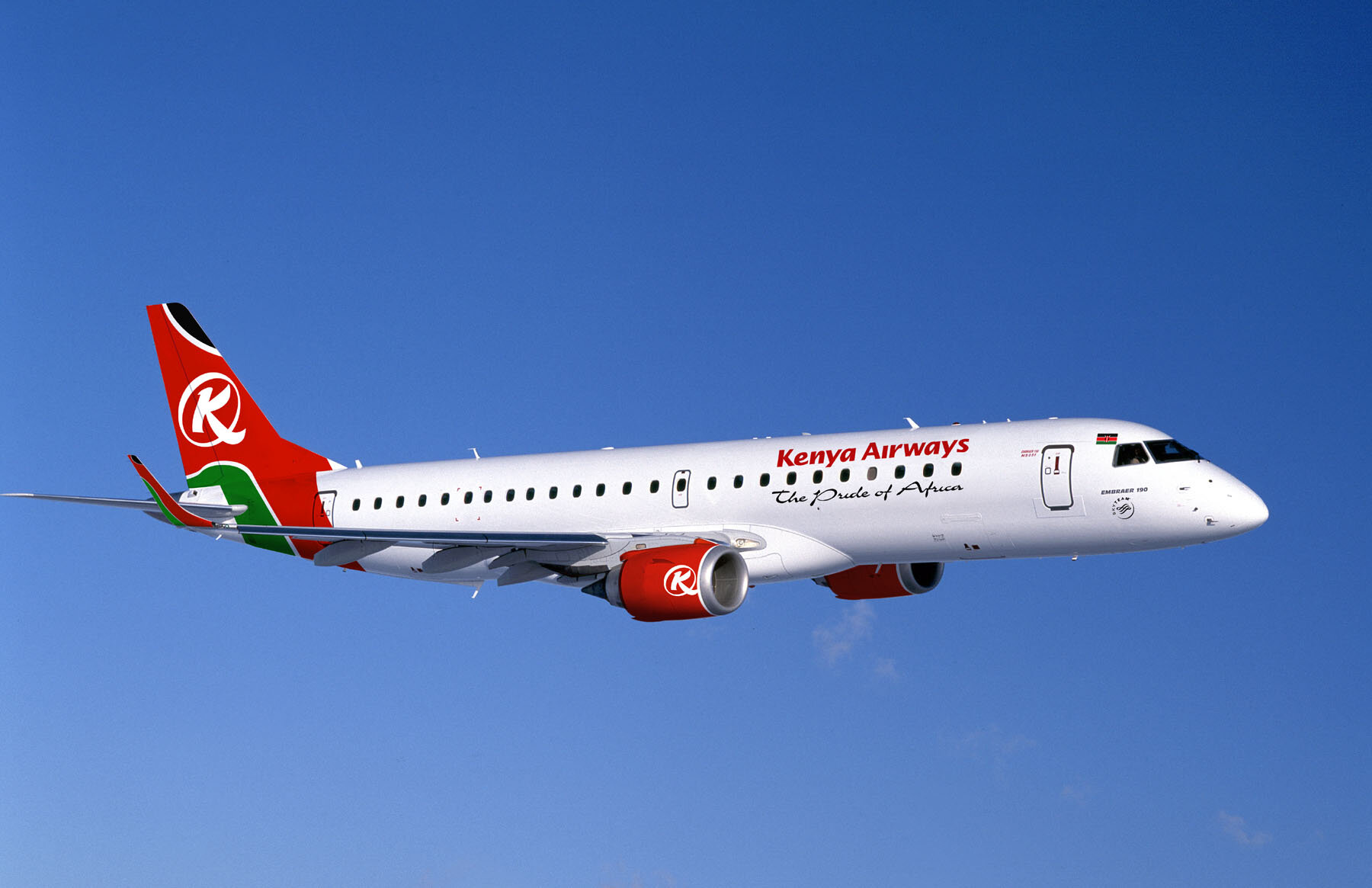
A Kenya Airways flight that suffered a tyre burst while landing in Cape Town has raised questions about the safety of commercial aircraft during such incidents.
Although tyre failures can result in runway closures, flight delays and aircraft inspections, they rarely pose a significant risk to passenger safety.
In the Cape Town incident, the Boeing 737-800 landed safely, and all passengers and crew disembarked without injury, highlighting the multiple safety features built into modern airliners.
But just how safe are planes after a tyre burst during landing?
Built to withstand tyre failures
Commercial aircraft are designed with multiple tyres to provide redundancy. The Boeing 737-800, for example, has six tyres: two on the nose landing gear and four on the main landing gear.
This means the aircraft does not rely on a single tyre to support its weight during landing. If one tyre fails, the remaining tyres continue to support the aircraft, allowing pilots to maintain control and bring it to a safe stop.
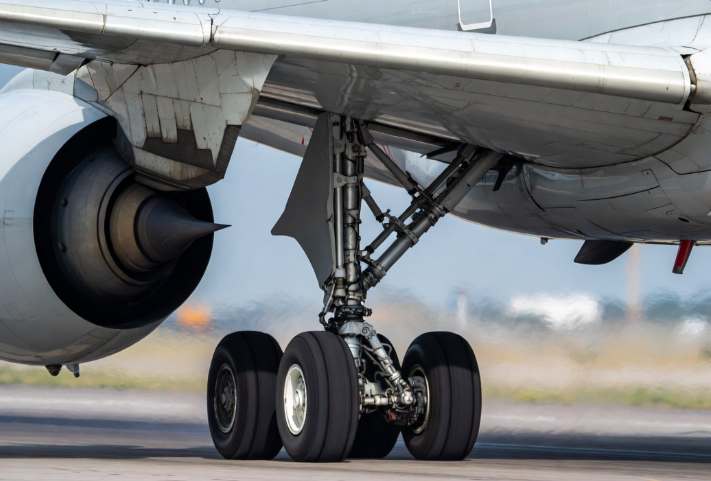
Aircraft manufacturers also design landing gear to withstand the tremendous forces generated during take-off and landing, ensuring the aircraft remains stable even if a tyre is damaged.
Why aircraft tyres are different
Aircraft tyres are engineered to operate under far more demanding conditions than vehicle tyres. They are inflated with nitrogen instead of compressed air because nitrogen is more stable under extreme temperatures and pressure.
Operating at pressures that can exceed 200 pounds per square inch (psi), aircraft tyres are built to withstand heavy landing loads, speeds of up to 160 knots, and rapid temperature changes.
Many tyres are also fitted with fuse plugs, which melt if brake temperatures become excessively high. This allows pressure to escape gradually, reducing the risk of an uncontrolled tyre explosion.
How pilots respond
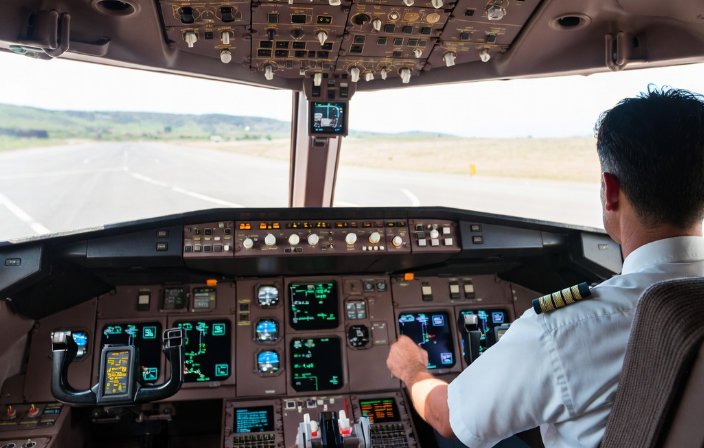
Tyre failures are part of routine pilot training and simulator exercises. If a tyre bursts during landing, pilots are trained to keep the aircraft aligned with the runway using the rudder, nose-wheel steering and differential braking while slowing the aircraft with spoilers and reverse thrust.
Once the aircraft comes to a complete stop, emergency services and maintenance engineers inspect it for damage before it is cleared to move or return to service.
Airports also play an important role in managing tyre failures. Emergency response teams are trained to respond quickly, secure the affected aircraft and inspect the runway for debris that could pose a hazard to other aircraft.
Although a burst tyre may temporarily close a runway and disrupt flight schedules, established airport procedures help restore normal operations safely.
While a tyre failure may cause delays and inconvenience, aviation safety systems are designed to ensure passengers remain protected.
The multiple layers of engineering, operational procedures and emergency response mean that a burst tyre is typically a manageable event rather than a major aviation emergency.
Author
William Muthama
William Muthama is a digital journalist with a focus on entertainment, human interest, and current affairs. Share stories: [email protected]/ [email protected]
View all posts by William Muthama