Advertisement
Accountability is not optional in Kenya’s devolved funds
23rd July, 2025 07:44 AM
Kenya’s devolution dream once promised dignity, inclusion, and development from the grassroots up.
But more than a decade later, that vision is at risk not because of a failed idea but because of poor execution, lack of transparency, and a growing culture of impunity among some governors.
The latest pushback by the Council of Governors (CoG) against audits into bursary and ECDE funds is a red flag, and Kenyans are watching.
At the centre of the storm is a special audit initiated by the Office of the Auditor General, probing how counties managed funds between 2021 and 2023.
The focus: Early Childhood Development Education (ECDE) centres and bursary allocations, both key lifelines for Kenya’s most vulnerable children.
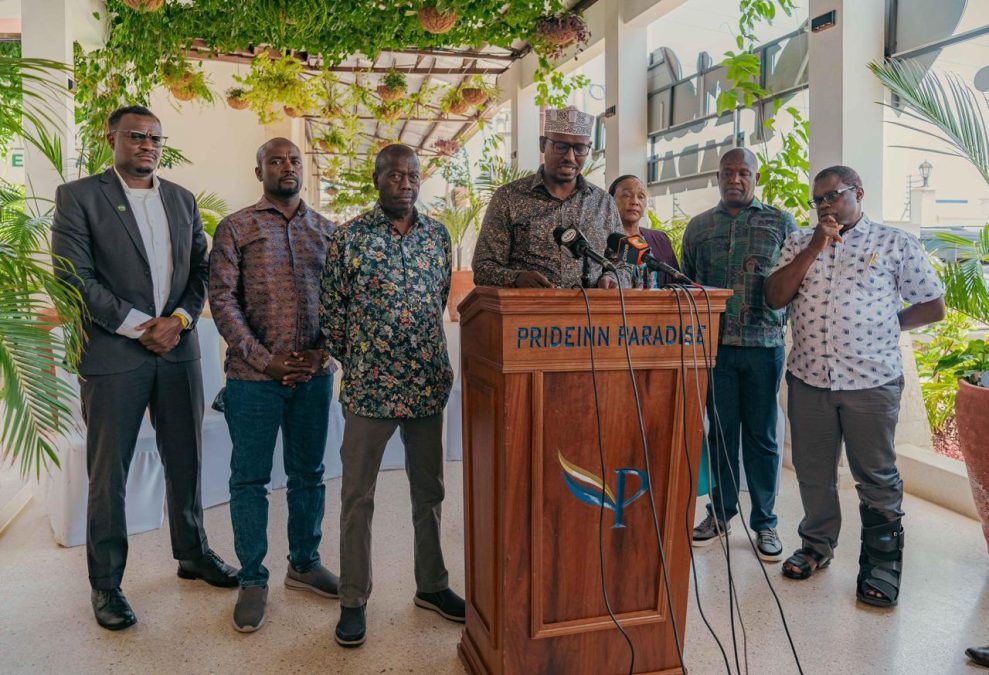
But governors have dismissed the audit as ‘selective’, ‘unconstitutional’, and ‘unfair’, particularly to new county bosses who inherited messy books from previous regimes.
“There has been politicisation of the bursaries matter. I do not know who is so determined to ensure counties are barred from giving out bursaries. Why select the six counties? Why audit the last four years?” Council Chairperson Ahmed Abdullahi questioned
Still, one question echoes louder than the rest: what are they afraid of?
Cry for accountability
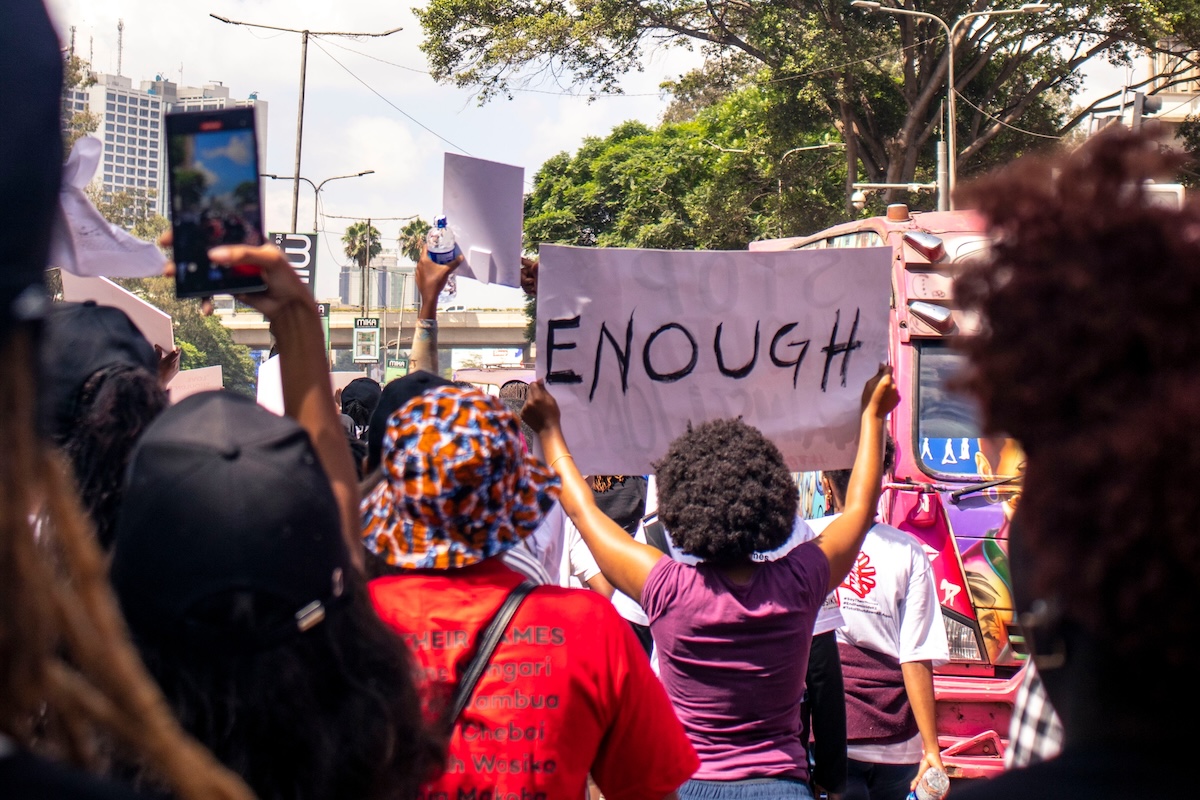
Across the country, ordinary Kenyans are growing impatient with opaque leadership. The frustration runs deep. It’s what drove Generation Z to the streets in June and July 2025, demanding fiscal accountability, transparency, and dignity.
While the protests were triggered by the punitive Finance Bill, the deeper cry was about failed leadership and squandered opportunity. It was about broken promises and money collected from citizens being misused, mismanaged, or stolen.

When a governor resists an audit, it sends a chilling message to the public. Are our leaders protecting us or protecting each other? Accountability cannot be viewed as a political attack.
It is a duty enshrined in the Constitution. And it is what citizens demand: not selectively applied justice, but equal scrutiny for all.
These audits are not about politics. They are about public trust. If governors, especially new ones, are truly committed to reform, they should embrace audits as an opportunity to fix what was broken, not fight them in court or the media.
Billions at Stake
The magnitude of the crisis cannot be overstated. A 2024 audit revealed that Sh16.6 million in bursary funds were sent to ghost schools, while the EduAfya programme intended to provide free healthcare to students lost Sh2.3 billion to ghost beneficiaries and inflated bills.

These aren’t isolated mistakes. They point to deeply embedded systems of corruption. In some counties, bursary allocations are run by governors, Members of County Assemblies (MCAs), and CDF committees separately without coordination or a central database.
This overlap is deliberate. It creates confusion, reduces accountability, and enables misappropriation.
What is most painful is that the victims are the poorest Kenyans. A lost bursary means a child drops out. A looted ECDE budget means a nursery class with no teacher, no toilet, and no food. Every shilling lost is a future stolen.
Devolution needs oversight
Audits are not a nuisance. They are the oxygen that keeps democracy breathing. Oversight bodies like the Auditor General’s office, the Ethics and Anti-Corruption Commission (EACC), and the Senate Public Accounts Committee are not the enemies of governors; they are the safeguards of public money.
If governors are serious about the promise of devolution, they should lead reform efforts, not resist them. They should invite scrutiny, not flee from it.
They should fix procurement loopholes, digitise bursary records, and ensure that every coin spent can be accounted for.
Yes, the Constitution sets a six-month audit window. But if misappropriation is discovered later, does it mean it should be ignored? Public interest must take precedence. The past cannot be a safe haven for corrupt deals just because time has passed.
This is more than an audit dispute. It is a battle for Kenya’s soul. Will we become a nation where powerful individuals bend institutions to escape accountability or one where no one is above scrutiny?
The Gen Z protests reignited a national conscience. Citizens are awake. Governors must realise this isn’t the Kenya of ten years ago.
The public wants the truth, not excuses. Devolution cannot thrive in darkness. Its foundation must be radical transparency and fearless accountability.
Author
William Muthama
William Muthama is a digital journalist with a focus on entertainment, human interest, and current affairs. Share stories: [email protected]/ [email protected]
View all posts by William Muthama