Advertisement
Why managu makes meals better
15th May, 2026 01:42 PM
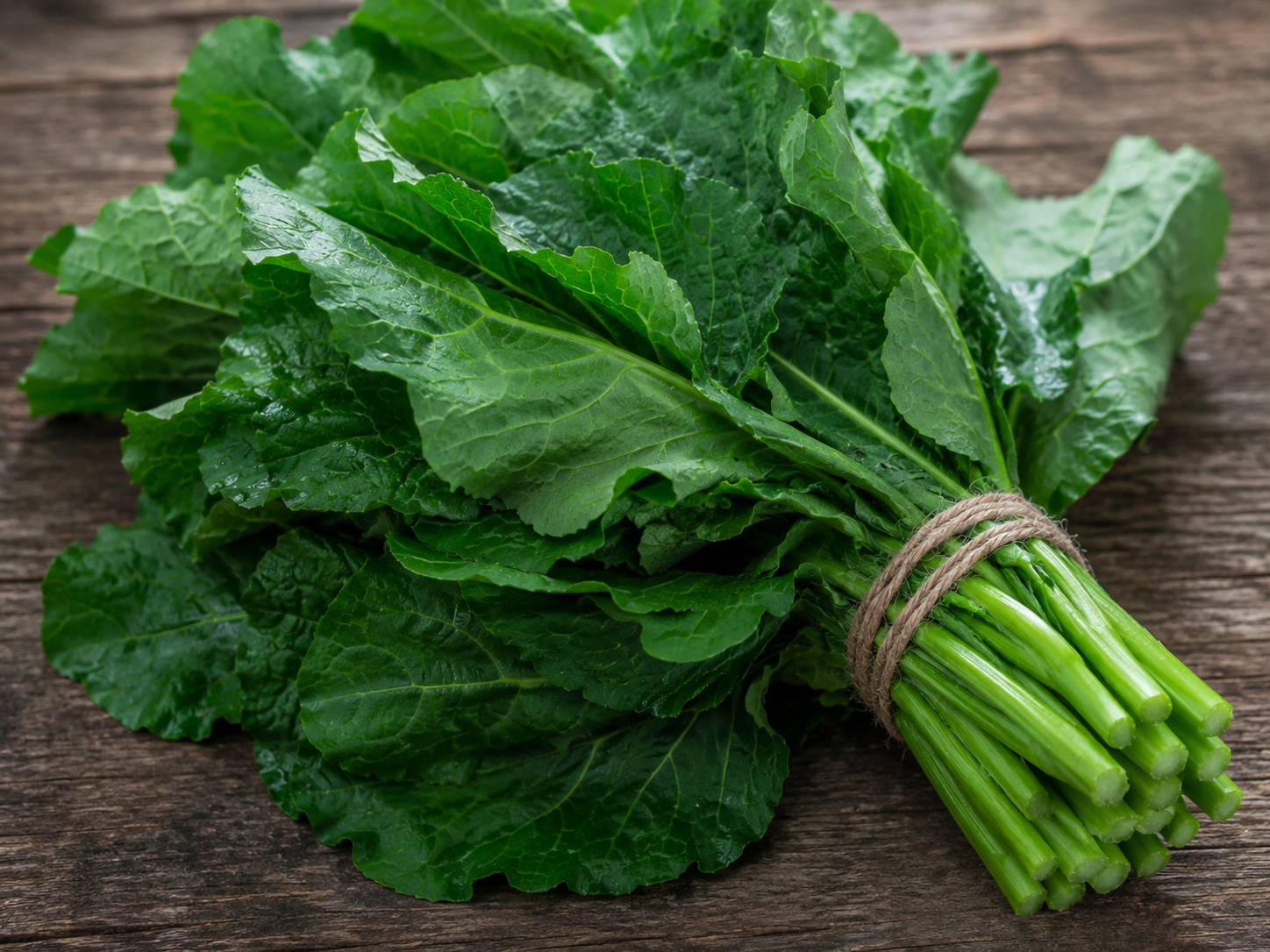
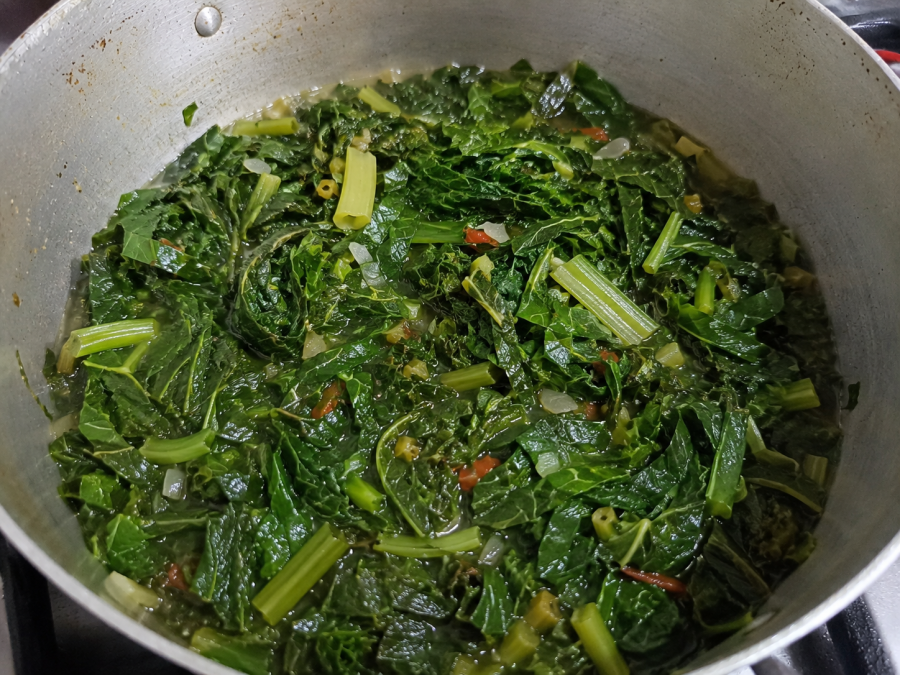
For many Kenyan households, a meal feels incomplete without a serving of traditional vegetables. Among the most cherished is managu. Whether served at family gatherings, during everyday meals, or alongside ugali after a long day, managu carries both cultural value and nutritional significance.
What makes this humble vegetable stand out is not just its taste, but the way it pairs naturally with other traditional foods. For years, Kenyan kitchens have practiced food pairing without calling it science. Yet today, nutrition experts continue to confirm what local communities have long known: the right combinations on the plate can make meals healthier and more beneficial to the body.
The nutritional power hidden in every leaf
Managu, a dark leafy vegetable that has remained a staple across generations, is rich in iron, calcium, vitamin A, and antioxidants, making it one of the most nutrient-dense indigenous vegetables. According to the Food and Agriculture Organization, indigenous African vegetables play an important role in improving food security and providing affordable nutrition to households.
As noted by nutrition guidance from the World Health Organization (WHO), “regular consumption of nutrient-rich vegetables supports healthy body function and strengthens immunity.”
Its slightly bitter taste also carries natural plant compounds that are associated with digestive health and overall wellness.
Why pairing managu with the right foods matters
The most common pairing is managu with ugali. This combination offers more than comfort. Ugali provides carbohydrates that supply energy, while managu contributes essential vitamins and minerals, creating a balanced plate.
Another common preparation is managu cooked with milk. This pairing is not just about flavor. Combining traditional vegetables with dairy products can improve the absorption of fat-soluble nutrients such as vitamin A.
Beans and managu are also considered a strong nutritional match. Beans supply plant-based protein and iron, while the vitamin C in vegetables helps improve iron absorption.
“Food combinations can significantly influence how nutrients are absorbed and used by the body,” the World Health Organization (WHO) stated. This is why traditional meals often included vegetables alongside grains, legumes or fermented milk.
Traditional wisdom
Long before modern nutrition science, Kenyan communities understood the value of balanced meals through practice. Traditional food pairings were shaped by observation and experience. Families noticed which combinations offered satisfaction, energy, and overall well-being.
A serving of managu is more than a side dish. It is a reminder that some of the healthiest eating habits are deeply rooted in tradition. When paired with the right foods, this simple vegetable becomes a complete expression of nutrition, culture, and the wisdom of generations.