Advertisement
What happens when your bad tooth senses sugar in your mouth
15th April, 2026 02:28 PM
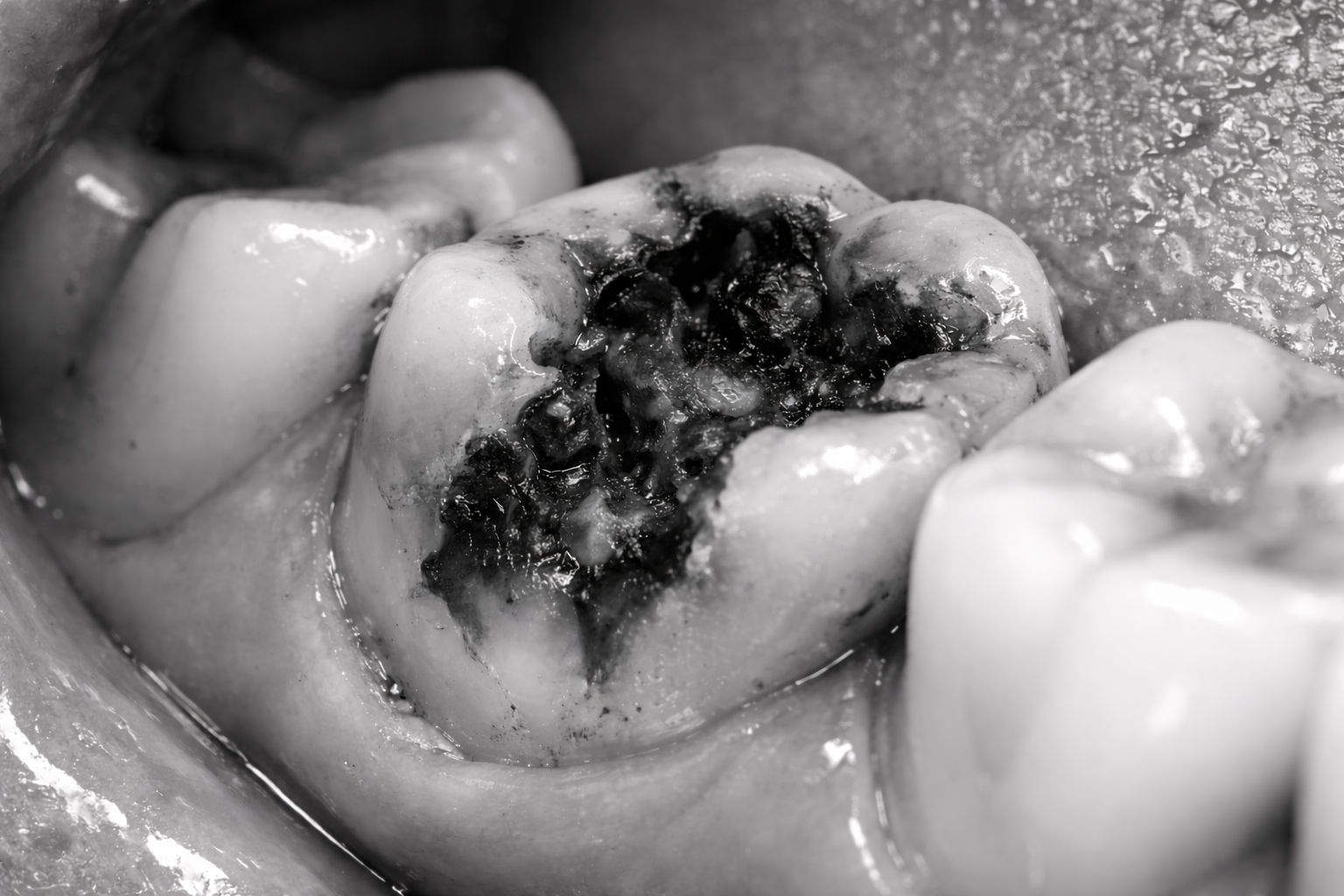
You bite into chocolate, sip sweet tea or taste cake, then suddenly one tooth reacts with a sharp pain. Seconds later, the discomfort may fade.
Many people experience this and wonder what exactly is happening inside the tooth.
The short answer is this: sugar is not “attacking” the tooth in that exact second. Instead, the sugar is exposing a problem that was already there.
A weak tooth, cavity, crack, worn enamel, or exposed root becomes sensitive when sweet substances reach areas that should normally stay protected.
The moment sugar enters your mouth
The outer layer of a healthy tooth is enamel. It is hard and acts like armour.

Under it sits dentin, a softer layer filled with tiny microscopic channels that lead toward the nerve.
If enamel is damaged or decay has opened a path, sugar and other triggers can reach that inner layer.
Once this happens, fluid inside those tiny channels shifts rapidly. That movement sends a signal to the nerve inside the tooth, and your brain reads it as pain.
This is why the reaction can feel instant.
Why the pain can be sharp
The nerve inside a troubled tooth is already irritated. It may be inflamed from decay, pressure or infection.
When sugar touches the exposed area, it becomes one more trigger.
That is why the pain may feel sharp, electric or sudden rather than dull. Some people feel it for only a few seconds.
Others feel it longer if the cavity is deeper or the nerve is more inflamed.
Why does the pain disappear
This confuses many people. The tooth hurts, then suddenly settles once the sweet taste is gone.
Usually, the trigger has been removed. Saliva begins washing sugar away, you swallow the food, drink water or stop chewing on that side.
Once the sugary substance is cleared, the fluid movement inside the tooth calms down and the nerve stops firing as strongly. So the pain fades.
It does not always mean the tooth has healed. It often means the trigger has passed.
If the tooth has decay, a crack, gum recession or worn enamel, the pathway to sensitivity remains open.
The next time sugar arrives, the same reaction can happen again.
Over time, bacteria also feed on leftover sugars and produce acids that continue damaging the tooth.
What starts as brief sensitivity can later become constant pain, throbbing, swelling or infection if ignored.
Why do some bad teeth not hurt
A damaged tooth may stay quiet between episodes. Pain depends on what triggers it, how deep the decay is and whether the nerve is inflamed that day.
Sometimes a tooth only reacts to sweets. Later, it may start reacting to cold drinks, hot tea, biting pressure or even ache on its own.
In some severe cases, pain may stop because the nerve is badly damaged, which still needs urgent dental care.
The takehome
Brush twice daily with fluoride toothpaste, floss, reduce frequent sugary snacking and rinse with water after sweets.
If one tooth repeatedly reacts to sugar, a dental check-up matters. You may need a filling, desensitising treatment or deeper care before the problem worsens.
When a bad tooth “senses” sugar, it is usually your nerve reacting through an exposed weak spot inside the tooth.
The pain may come fast and leave fast, but it is still a warning sign. Your mouth is telling you that something needs attention.