Advertisement
Kidney failure explained: Everything you need to know
14th July, 2026 01:54 PM
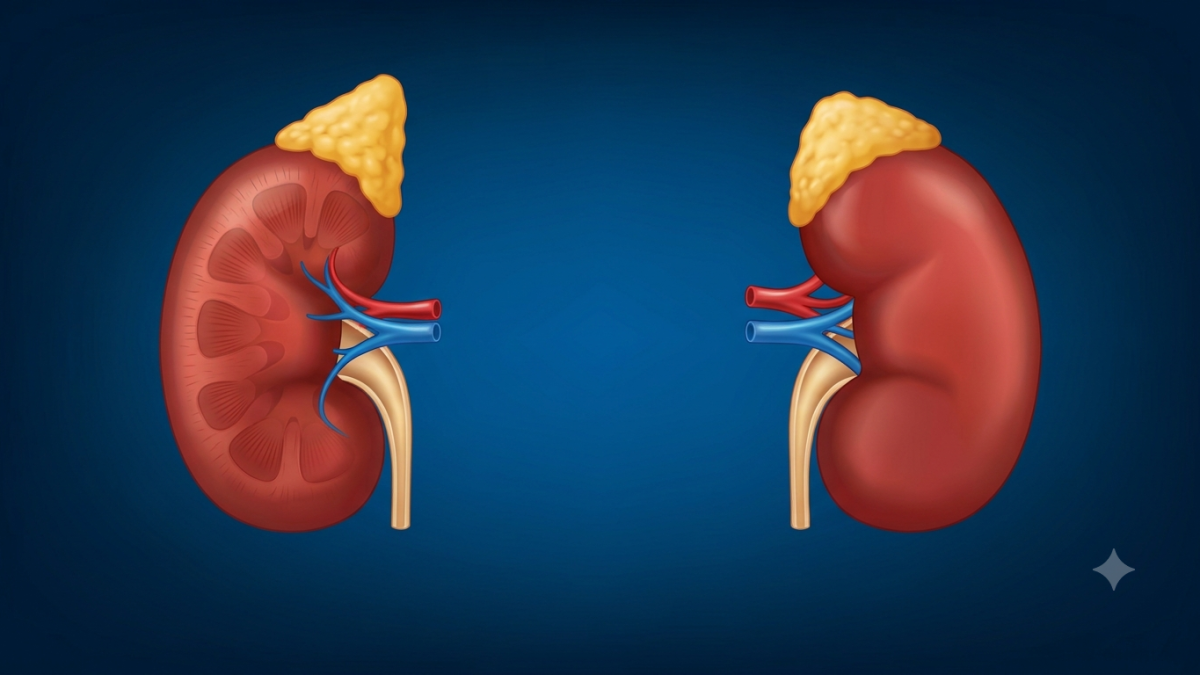
Kidney failure occurs when the kidneys can no longer filter waste products and excess fluids from the blood effectively. As explained by the National Institute of Diabetes and Digestive and Kidney Diseases (NIDDK), harmful substances begin to build up in the body, affecting nearly every organ if treatment is not started.
The World Health Organization (WHO) notes that kidney failure may be acute, meaning it develops suddenly over a few hours or days, often due to severe illness or injury, or chronic, where kidney function gradually declines over months or years. Chronic kidney disease is the most common pathway leading to kidney failure if left untreated.
Healthy kidneys are vital because they remove waste, balance minerals and fluids, and support many other body functions. Early diagnosis can help delay or even prevent kidney failure in many cases.
Causes of kidney failure
Several health conditions can damage the kidneys over time. According to the Centers for Disease Control and Prevention (CDC), diabetes remains the leading cause of chronic kidney failure because consistently high blood sugar damages the tiny blood vessels inside the kidneys.
High blood pressure is another major contributor. Uncontrolled blood pressure places extra strain on the kidneys, reducing their ability to filter blood properly over time.
Kidney failure can also result from repeated kidney infections, inherited conditions such as polycystic kidney disease, autoimmune diseases like lupus, severe dehydration, urinary tract blockages caused by kidney stones or enlarged prostate, and certain medicines that damage the kidneys when used incorrectly or for long periods.

Signs and symptoms
One of the biggest challenges with kidney disease is that symptoms often appear only after significant kidney damage has already occurred. Many people feel perfectly healthy during the early stages.
As kidney function declines, people may notice persistent fatigue, swelling in the feet, ankles or face due to fluid retention, reduced or excessive urination, nausea, vomiting, poor appetite, muscle cramps, itchy skin and difficulty concentrating. Shortness of breath, trouble sleeping and high blood pressure that becomes difficult to control may also develop.
Because these symptoms can resemble many other illnesses, health experts advise seeking medical assessment instead of relying on self-diagnosis.
Diagnosis and tests
Doctors use several tests to determine whether the kidneys are functioning properly. According to Mayo Clinic, blood tests are used to measure creatinine levels and calculate the estimated glomerular filtration rate (eGFR), which shows how efficiently the kidneys filter blood.
Urine tests help detect protein, blood or other abnormalities that may indicate kidney damage. Imaging tests such as ultrasound or CT scans may be used to examine the size and structure of the kidneys, while in some cases a kidney biopsy is performed to identify the exact cause of the disease.
These tests not only confirm kidney failure but also help guide the most appropriate treatment.
Management and treatment
Treatment depends on the cause and stage of kidney disease. According to the National Kidney Foundation, controlling diabetes and high blood pressure remains one of the most effective ways to slow kidney damage.
Doctors may recommend medicines, dietary changes that reduce salt, potassium or phosphorus intake, fluid management and regular monitoring of kidney function. Maintaining a healthy weight, avoiding smoking and staying physically active are also important parts of long-term care.
For people whose kidneys have failed completely, dialysis may be required to remove waste products from the blood. Another option is a kidney transplant, which replaces the failed kidney with a healthy donor kidney.
Can kidney failure be cured?
Whether kidney failure can be cured depends on its type. Acute kidney failure can sometimes be reversed if the underlying cause is treated promptly and the kidneys recover.
Chronic kidney failure, however, is generally not reversible because the damage is permanent. While dialysis and medicines help manage the condition, a successful kidney transplant is currently considered the closest long-term treatment for restoring kidney function.
Health experts stress that prevention remains the best defence. Routine medical check-ups, healthy eating, regular exercise, controlling blood sugar and blood pressure, drinking enough water and avoiding unnecessary use of medicines that may harm the kidneys can all help protect these vital organs before serious damage occurs.