Advertisement
Silent signs your blood pressure is too high to ignore
07th May, 2026 11:58 AM
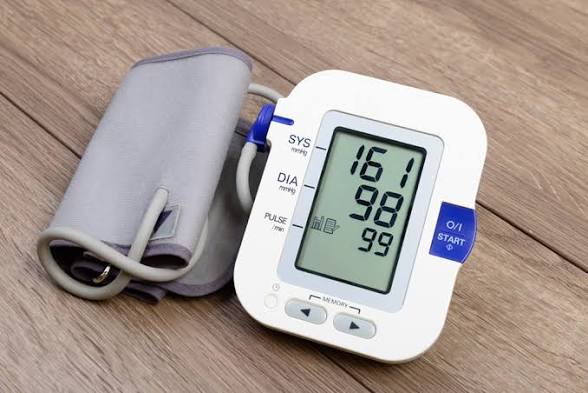
High blood pressure, also known as hypertension, is often called a silent condition for a reason. It can develop slowly over time without obvious warning signs, yet quietly strain the heart, brain, and kidneys.
According to the World Health Organization, many people only discover they have it after complications arise, making awareness of subtle symptoms crucial.
Signs
One of the most overlooked signs is frequent headaches, especially early in the morning. These headaches are usually mild at first and are often brushed off as stress or lack of sleep. However, persistent morning headaches may be linked to increased pressure in the blood vessels. Health experts from the Centers for Disease Control and Prevention noted that while headaches alone do not confirm hypertension, they should not be ignored when they become recurring.
Another common but ignored sign is dizziness or a feeling of imbalance. Many people tend to attribute this to fatigue, dehydration, or skipping meals. In reality, consistently elevated blood pressure can affect blood flow to the brain, leading to occasional light-headedness or unsteadiness.
Blurred vision is also a warning sign that often goes unnoticed. High blood pressure can damage the tiny blood vessels in the eyes, leading to temporary or even permanent vision changes. According to the Cleveland Clinic, untreated hypertension is one of the leading causes of preventable blindness globally, yet many people dismiss early vision changes as normal eye strain.
Fatigue is another silent sign. While being tired is common in daily life, unexplained and persistent exhaustion can be a sign that the heart is working harder than normal to pump blood. This extra strain often leaves the body feeling drained even after adequate rest.
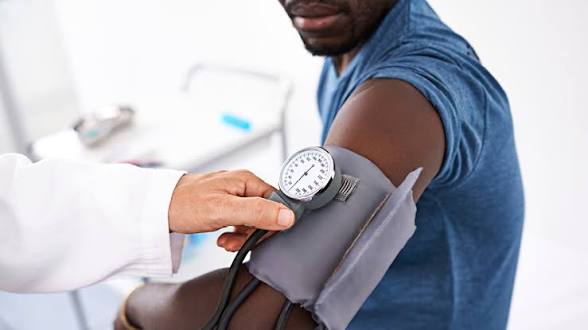
Shortness of breath during simple activities, such as walking short distances or climbing stairs, can also signal underlying high blood pressure. This happens when the heart struggles to circulate blood efficiently, reducing oxygen supply to the body.
In some cases, individuals may experience chest discomfort or a feeling of pressure. Though not always severe, this sensation should never be ignored, as it may indicate that the heart is under stress. The Kenya Ministry of Health emphasizes that early detection of such symptoms can help prevent severe complications like stroke or heart failure.
What makes hypertension particularly dangerous is that these signs are often mild, inconsistent, or mistaken for everyday stress. Many people continue with their routines without realizing the risk building up silently inside their bodies.
Prevention
Health specialists from the WHO recommend regular blood pressure checks, especially for adults over 30 or those with risk factors such as poor diet, lack of physical activity, stress, or family history of hypertension. Simple lifestyle changes like reducing salt intake, staying active, managing stress, and avoiding smoking can significantly lower the risk.
In conclusion, high blood pressure does not always announce itself loudly. It whispers through small signs that are easy to dismiss but dangerous to ignore.