Advertisement
Learning to Breathe Under Water review: A comedy-drama about family, healing and hope
24th July, 2026 01:24 PM
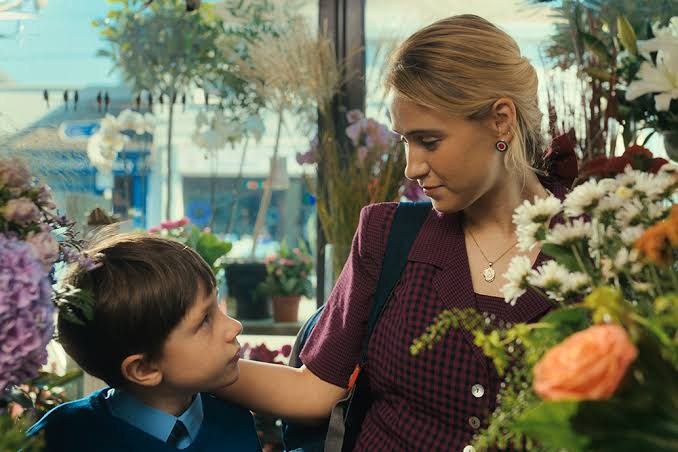
Learning to Breathe Under Water is a 2026 comedy-drama that blends light-hearted humour with an emotional story about family relationships, grief and the journey towards healing.
Rather than depending on constant jokes or dramatic twists, the film balances warm comedic moments with heartfelt scenes, creating a story that feels both entertaining and meaningful.
The story follows Leo, a teenager carrying emotional wounds that have shaped the way he sees the world. After finding it difficult to fit in and cope with personal challenges, Leo is forced to spend time with his estranged father, Paul, a man who is also struggling with guilt over past mistakes. The reunion is uncomfortable from the beginning, with years of silence and disappointment standing between them.
The film uses moments of humour to ease the emotional weight, but it never loses sight of its central message about forgiveness, family and learning to move forward. Instead of presenting easy solutions, Learning to Breathe Under Water shows that healing often takes patience, honesty and the willingness to listen.
A story that grows stronger with every scene
One of the strongest parts of Learning to Breathe Under Water is how naturally the story develops. It does not rush into emotional moments but allows them to build over time.
Leo is not portrayed as a perfect teenager. He is angry, withdrawn and often pushes away those trying to help him. Meanwhile, Paul is far from the ideal father. He knows he has made mistakes and struggles to find the right words to reconnect with his son.
Another important character is Maya, whose calm and understanding nature helps bring balance to the story. Rather than solving everyone’s problems, Maya encourages both Leo and Paul to confront their emotions instead of avoiding them.
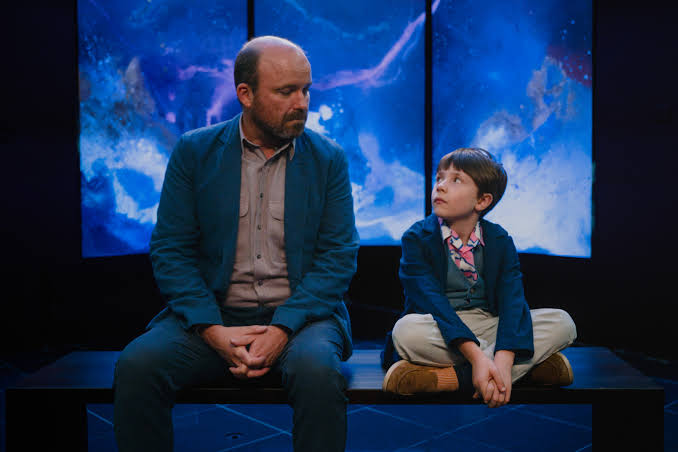
Strong performances make the emotions believable
The film depends heavily on emotional performances, and that is where it succeeds. The actors bring honesty to their roles, allowing viewers to understand what each character is feeling even during moments of silence.
Leo’s frustration, Paul’s regret and Maya’s quiet strength all come across naturally. Their relationships feel like those found in many real families, making it easy for audiences to connect with their experiences.
Instead of dramatic speeches, the film often lets small gestures, facial expressions and simple conversations carry the emotional weight.
Beautiful visuals support the story
The cinematography plays an important role throughout the film. Many scenes are set near water, which quietly reflects the emotional journey of the characters. Calm lakes, rivers and open landscapes create a peaceful atmosphere while symbolising hope and personal growth.
The soundtrack is equally gentle, complementing the emotional scenes without overpowering them. Together, the music and visuals help create a reflective mood from beginning to end.
Learning to Breathe Under Water is not a film that depends on action or suspense. Instead, it focuses on forgiveness, understanding and the courage needed to rebuild relationships.