Advertisement
Before it’s too late: Simple ways to protect your hearing for life
14th July, 2026 01:44 PM
It’s not just rocket launches and death metal concerts that lead to hearing loss. Many everyday activities can cause damage. Here’s what you can do to protect your ears for decades to come.
If you neglect your gym routine, you can rebuild your muscles in a matter of months through sweat and dedication. But your hearing? That’s one thing you can’t retrain. “Once it’s gone, it’s gone,” says Valerie Pavlovich Ruff, an audiologist and hearing loss specialist at the Cleveland Clinic, Ohio, in the US.
And while we’ve long known that our hearing gets worse over time, audiologists are seeing evidence of hearing loss in younger and younger patients – including teens and kids under 10.
“We’re all bad about protecting our ears when we’re younger,” says Jamie Bogle, an audiologist at Mayo Clinic in Arizona, in the US. “But those episodes add up over time, so things that we did when we were younger can show up later in life.”
And it’s not just rocket launches and death metal concerts you have to worry about – many common activities can have a surprising effect on your long-term hearing.
Read on to learn how to future-proof your ears for the decades to come.
How hearing works
Past your eardrum and deep within your inner ear is a fluid-filled chamber called the cochlea. It’s lined with thousands of tiny hair cells. On top of each cell is a tuft of dozens of delicate little bristles, and on the bottom is a neuron that feeds into the auditory nerve, which carries electrical signals to the brain.
As sound enters the ear in the form of pressure waves, these tiny hairs sway like trees in the wind. The motion of these hairs is translated into electrical impulses, which our brain interprets as sound.
At the volume most venues play, the cumulative load on your inner ear becomes damaging after just 10 or 15 minutes
Exposure to sounds that are too loud for too long acts like gale-force winds, bending or breaking these tiny hairs. And unlike your eyelashes, these don’t grow back.
The impacts of hearing loss
As we age, hearing loss can lead to social isolation. People who are worried about saying the wrong thing due to mishearing are more likely to withdraw from the friendships and community relationships that sustain them, says Pavlovich Ruff.
Several studies have also linked age-related hearing loss with cognitive decline or dementia.
Researchers are working on gene therapies to regrow the tiny hairs, inspired by how hair cells regenerate in some animals, such as zebrafish and chickens. But until then, the only offence is a good defence, Pavlovich Ruff says – protect what you have.
Concerts and headphone jam sessions
“Live music is usually amplified and is always too loud,” Pavlovich Ruff says. At the volume many venues play, the cumulative load on your inner ear becomes damaging after just 10 or 15 minutes, she explains. “So if you want to stay for the whole concert, you should wear earplugs. But foam earplugs actually will distort the sound of the music.”
Instead, look for “high-fidelity plugs” that will soften the sound without changing its character.

The same goes for sporting events, as stadiums often pride themselves on the decibel level of their cheering fans. “I often see babies wearing hearing protection at sporting events, but the parents aren’t,” Pavlovich Ruff says. “What about your own ears? Don’t you want to hear this baby when they’re an adult?”
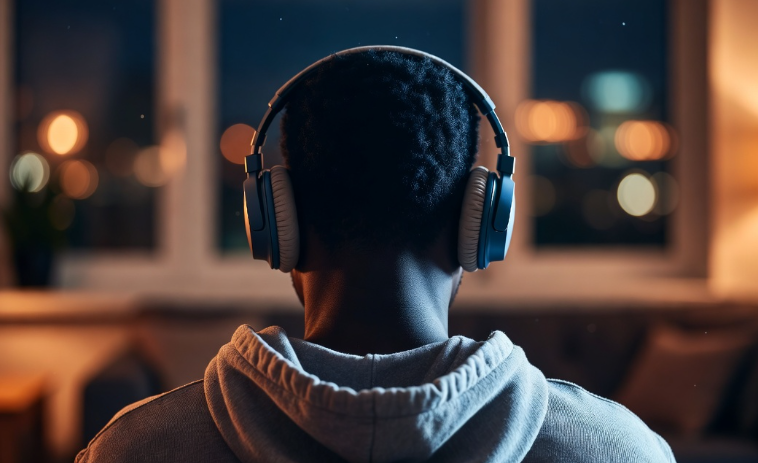
A study of nine-year-olds in Sweden found a small but statistically significant difference in hearing between kids who regularly used headphones and those who didn’t. Researchers estimate that as many as 1.35 billion people under 35 could be at risk of premature hearing loss due to amplified sound and personal listening devices.
Many devices throttle sound to safe levels with active volume limiters, and it’s important to respect those guardrails, Pavlovich Ruff says. “If you’re wearing headphones and you can still communicate with someone who’s standing fairly close to you, you’re fine. If someone has to shout at you or you can’t hear them at all, it’s probably too loud.”
Gardening, home repair and hitting the road
The weedwhacker, the leafblower, the lawnmower, the buzzsaw for your latest DIY project – gardening and home repair can be surprisingly loud. Thankfully, many jurisdictions in the US are mandating a switch from noisier gas-powered tools to quieter electric cousins.
It’s important to wear ear protection during these activities, whether that’s earplugs, over-the-ear earmuffs, or both at the same time, Pavlovich Ruff and Bogle say.
Generally, it’s best to aim for the highest noise reduction rating, or NRR, you can tolerate. Each point of NRR neutralises about one decibel of sound.
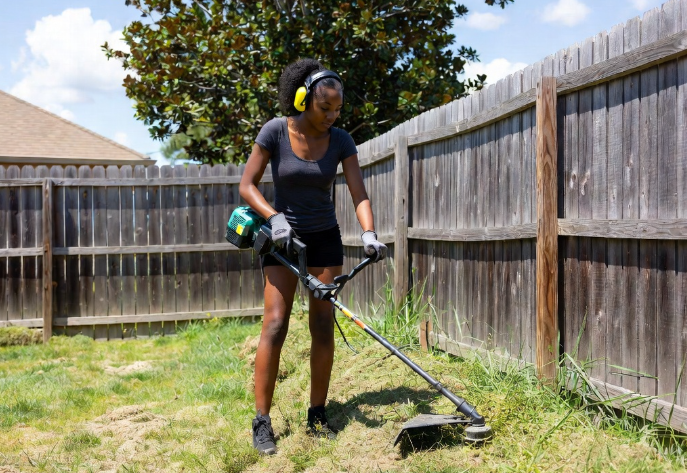
“Earmuffs are a bit bigger, they give you a bit more noise protection, they’re harder to mess up,” Bogle says.
Motorcyclists should always use earplugs, she adds – but be sure to use high-fidelity plugs that will allow you to hear emergency vehicles and other traffic sounds, and reduce your Harley’s revs from a roar to a purr.
Too much earplugging
If reading this makes you realise you should be plugging your ears more often than you expected, you’re not alone. But you should always be cautious about inserting things into your ear canals.
The ear is like a self-cleaning oven – it uses earwax to lubricate the ear canal as well as flush out dead skin and accumulated bacteria. Thanks to a ‘skin conveyor belt’ and the motion of your jaw when you talk or chew, earwax and all the debris it carries gradually work their way from the eardrum to the opening of the ear, where they’re washed away when you shower.
Anything we insert into the ear canal – cotton buds or earplugs – can compact earwax and push it back toward the eardrum. This can lead to itchiness or a feeling of pressure and, over time, can form a barrier that dampens sound waves, leading to muffled hearing. All of that built-up bacteria and trapped moisture can also cause infections.
If you suspect earwax buildup, it’s best to ask a doctor or audiologist to clear the blockage for you. But there are also over-the-counter drops available to soften earwax, which can then be gently flushed out using a bulb syringe and warm water.