Advertisement
How gum health determines your heart health
28th May, 2026 10:28 AM
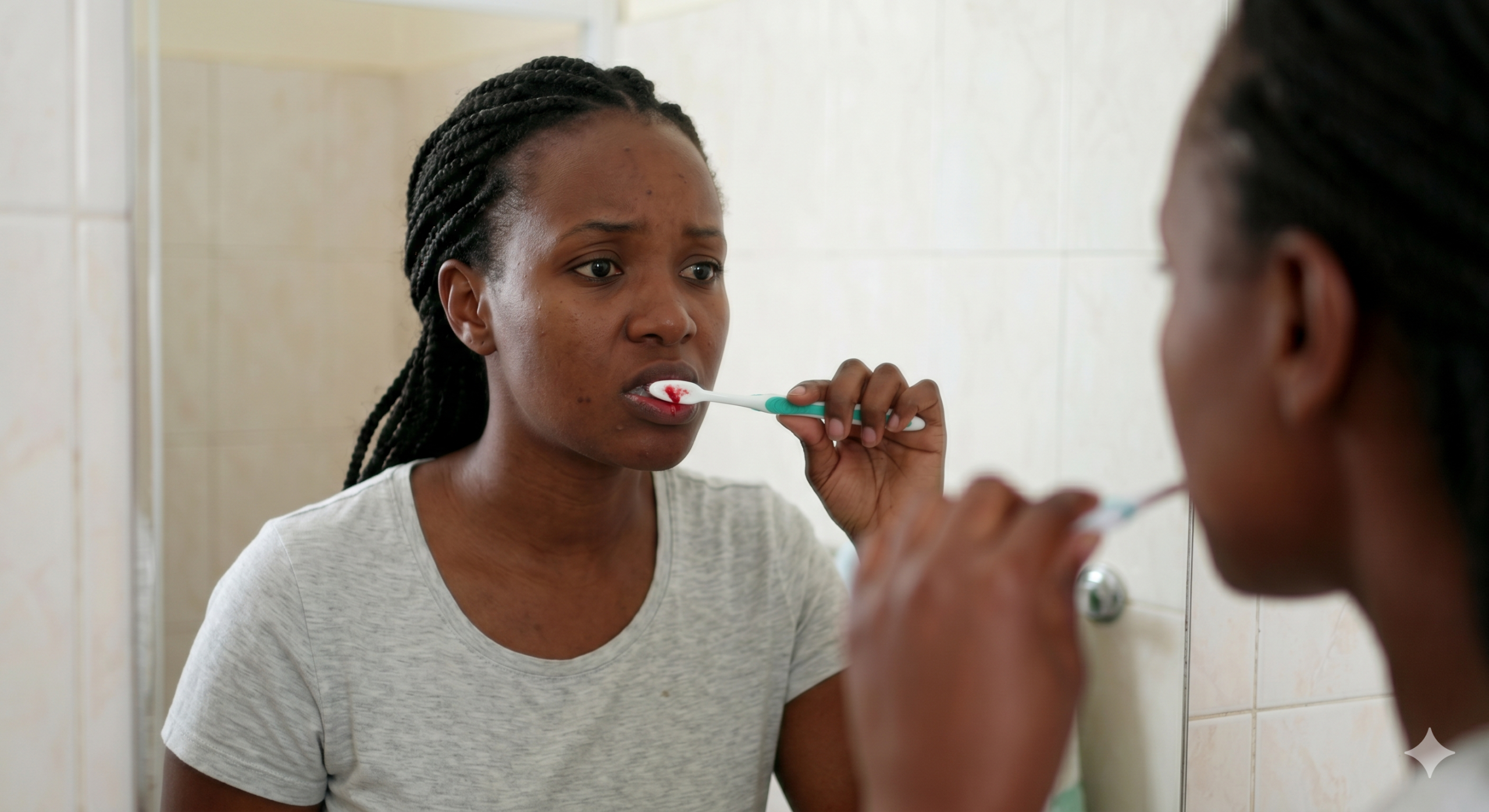
Most Kenyans visit a dentist only when the pain becomes unbearable. Dental care tends to sit at the bottom of the healthcare priority list, squeezed out by cost, distance, or the belief that teeth are separate from the rest of the body.
But science is building a strong case that this separation is a costly illusion and that the condition of your gums may be quietly predicting the health of your heart.
What the research says
A 2023 meta-analysis published in PLOS One examined 39 cohort studies involving more than 4.3 million people and found that periodontal disease is consistently associated with a higher risk of cardiovascular outcomes, including heart attack, coronary heart disease, and stroke.
Among those outcomes, stroke showed one of the strongest associations, a finding that carries weight in a country where specialist cardiac care remains hard to access for most people.

The mechanism researchers point to is not complicated. Gum disease is a chronic bacterial infection in the tissue around the teeth.
When those gums bleed, which is usually the first visible sign that something is wrong, bacteria gain a direct route into the bloodstream.
As a 2025 editorial in Frontiers in Dental Medicine explains, “These bacteria can invade the bloodstream through bleeding gums, leading to a systemic inflammatory response.”
That inflammation then contributes to atherosclerosis, the gradual build-up of fatty plaques along artery walls, which is the primary driver of heart attacks and strokes.
Simple habits that protect both
The encouraging side of this research is that the protective habits are neither complex nor expensive. Brushing twice daily with a fluoride toothpaste removes the bacterial plaque that triggers gum inflammation in the first place.

Cleaning between the teeth with floss or an interdental brush reaches the spaces a toothbrush cannot. Rinsing with an antiseptic mouthwash adds another layer of defence, and cutting back on sugary foods and drinks removes the fuel that bacteria thrive on.
Visiting a dentist for a routine scaling and cleaning once or twice a year matters too, though access remains a genuine challenge across much of Kenya.
For those who cannot easily reach a clinic, the daily habits stated above carry value.
Bleeding when you brush is not normal, and it is not something to wave away. It is the mouth signalling that an active infection is present, and that infection, left unaddressed, is doing more than damaging your teeth.