Advertisement
Want strong and healthy teeth? This is how to brush them
25th March, 2026 03:13 PM

Brushing your teeth is something most people do every day without thinking twice about it. It feels simple, almost automatic.
But the truth is, many people are doing it the wrong way without even realising it. And over time, those small mistakes can lead to problems like tooth sensitivity, gum damage, and even long-term oral issues.
Proper brushing is not just about frequency. It is about how, when, and how often you do it.
According to Joseph Munyenze Mulei, a dental health expert at Sihaa Dental Clinic, maintaining the right routine is key to protecting your teeth and gums.

Brushing twice a day is enough
Many people believe that brushing after every meal is the best way to keep teeth clean. While it sounds like a good idea, it can actually cause harm if done too frequently.
As Mulei explains,
“For brushing at least twice a day, before bedtime for your oral health and in the morning for social comfort and fresh breath, brushing after every meal is quite frequent and can lead to hypersensitivity of teeth due to enamel wearing out, exposing the underlying dentin.”
Your teeth are covered by enamel, which acts as a protective layer. When you brush too often, especially with force, that layer can slowly wear down.
Once it reduces, the inner part of the tooth becomes exposed, leading to sensitivity.
Use soft toothbrush
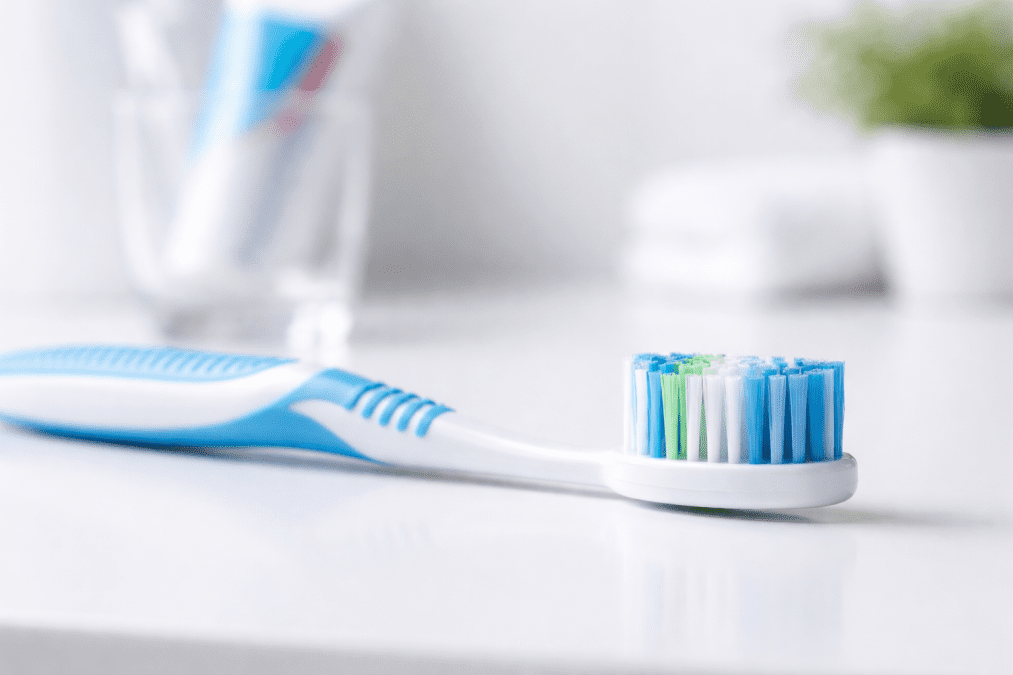
Another common mistake is brushing too hard. Many people think that applying more pressure means better cleaning. In reality, it can damage both your teeth and gums.
Mulei advises,
“Moreover, brushing should be done gently using a soft-bristled toothbrush in small circular motions to prevent gum injury and minimise enamel erosion.”
A soft-bristled toothbrush is designed to clean effectively without causing harm. The small circular motion helps remove plaque while protecting the gum line. It may feel slower, but it is much safer and more effective in the long run.
Flossing completes the routine
Brushing alone is not enough. There are areas between teeth that a toothbrush cannot reach. This is where flossing comes in.
“Flossing ought to be done at least twice or three times a week or more frequently after consuming foods like meat that easily get trapped in between teeth,” Mulei adds.
Food particles stuck between teeth can lead to decay and bad breath if not removed. Flossing helps clean those hidden areas and supports overall oral health.
Why proper brushing matters
When brushing is done correctly, it helps remove plaque, prevent cavities, and protect your gums. It also keeps your breath fresh and reduces the risk of more serious dental problems.
On the other hand, poor brushing habits can slowly damage your teeth without immediate signs. By the time you notice sensitivity or pain, the damage may already be advanced.
Brushing your teeth is a daily habit, but doing it the right way makes all the difference.
It is not about brushing more times or using more force. It is about using the right technique, the right tools, and the right frequency.
With simple adjustments like brushing twice a day, using a soft brush, and adding flossing to your routine, you can protect your teeth and maintain a healthy smile for years.