Advertisement
Safety tips for motorists using Eldoret–Nakuru road after grisly accident that killed 11 people
01st August, 2026 12:06 PM
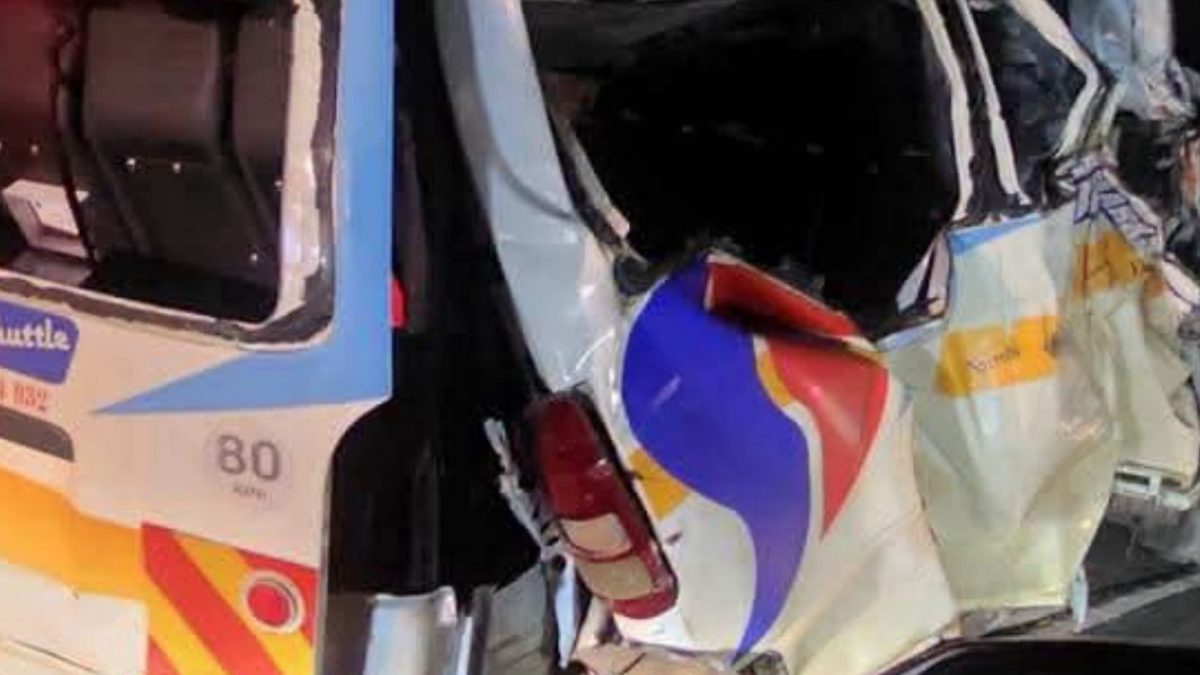
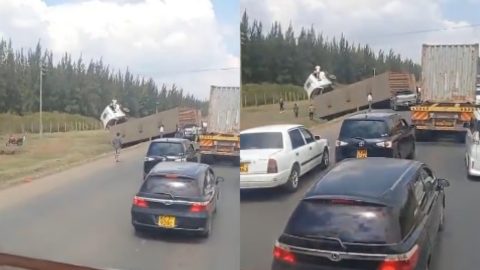
The tragic road crash at Mulima Punda near Lessos junction along the Eldoret-Nakuru highway, which claimed 11 lives on July 30, 2026, highlights the constant risks facing motorists on this busy transport corridor.
With heavy long-distance trailers, fast-moving matatus, and private cars sharing narrow lanes, navigating the route safely requires steady attention from every driver.
Overtaking smartly and watching your speed
Risky overtaking causes many of the worst head-on crashes along this route. Drivers often run into slow-moving trucks climbing steep hills or negotiating sharp bends.
Trying to pass when you cannot see far enough ahead leaves zero space to recover if an oncoming vehicle suddenly appears. This is common around hilly stretches like Salgaa, Sachang’wan, Migaa, and Burnt Forest.
Keeping your speed manageable gives you time to react if something goes wrong. According to the World Health Organization (WHO), “an increase in average speed is directly related both to the likelihood of a crash occurring and to the severity of the consequences of the crash.”
Driving at reasonable speeds helps you control your car safely when someone else makes an unexpected move.
Handling night trips and driver fatigue
Driving on the highway at night comes with extra hazards. Bright high beams from oncoming vehicles, poor street lighting, and stalled trucks parked on the side of the road make seeing ahead difficult.
Driver fatigue is another quiet danger, especially for matatu drivers and long-distance truckers. Feeling sleepy slows down your reaction time and ruins your judgement.
Taking short breaks to stretch and rest during long journeys keeps you alert. Switching to low beams when meeting oncoming cars also prevents blinding other drivers.
Basic vehicle checks and defensive driving
Before starting your journey, take a few minutes to check your vehicle. Working brakes, good tyres, and working lights are essential.
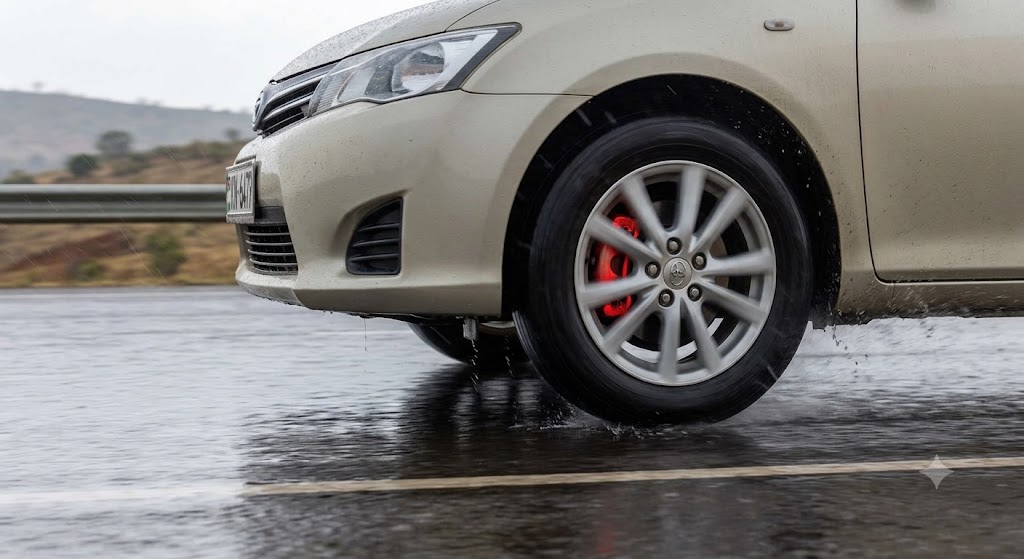
Correct tyre pressure and proper tread depth give your car better grip, especially during sudden rainstorms that turn asphalt slippery.
Defensive driving remains your best protection. Always assume other road users might make a mistake, keep a safe distance behind big trailers, and slow down around known black spots.
A patient mindset ensures you and your passengers arrive home safely.