Advertisement
Boda boda riders vs motorists: A road battle far from over
21st May, 2026 08:52 PM
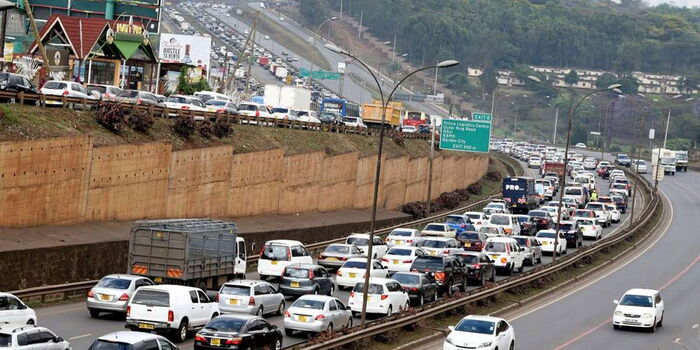
The tension between boda boda riders and motorists on Kenyan roads has become one of the country’s most visible daily conflicts.
From hooting matches in traffic to heated roadside arguments, the relationship between the two groups often feels strained, emotional, and deeply personal.
For many Kenyans, this conflict is no longer just about road use.
It reflects deeper issues involving respect, class differences, economic pressure, road discipline, and even social identity.
The daily battle on Kenyan roads
Anyone who uses Kenyan roads regularly has likely witnessed the friction between motorists and bodaboda riders.
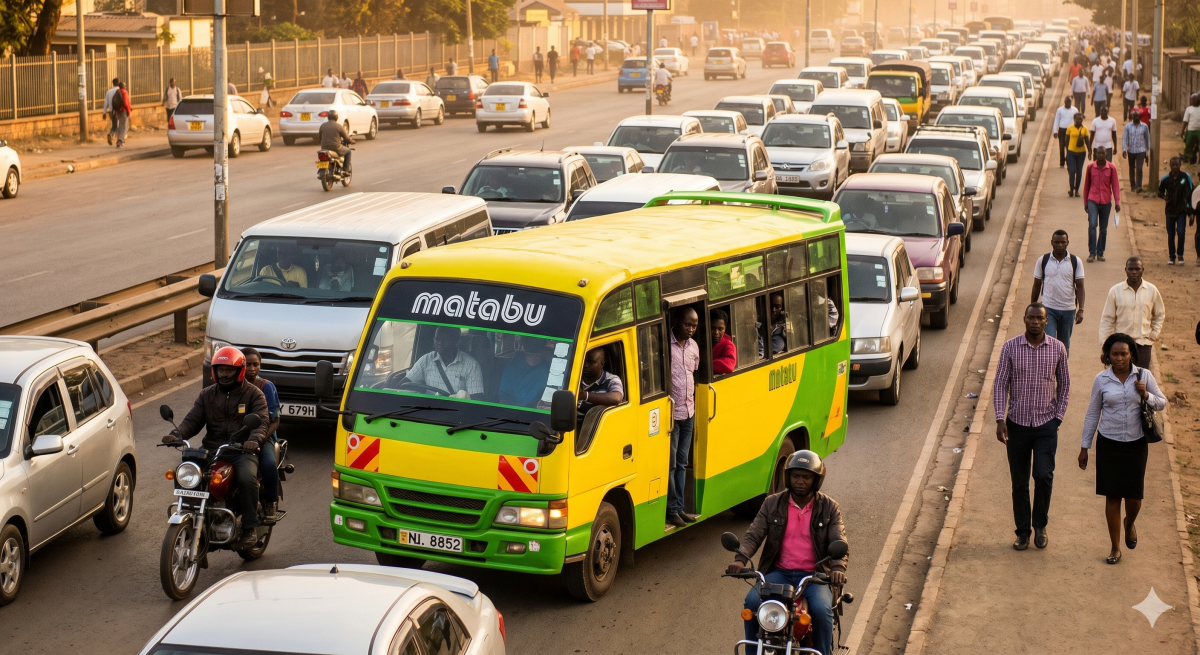
Drivers complain that some riders ignore traffic rules, overlap dangerously, ride against traffic, or force their way through small spaces during traffic jams.
On the other hand, many bodaboda riders argue that motorists look down on them, dismiss them, or drive aggressively around them as if they do not belong on the road.
In major towns like Nairobi, Kisumu, and Mombasa, the tension is especially visible during rush hour when congestion increases frustration for everyone.
Ego and social class perceptions
One issue rarely discussed openly is ego. Some motorists subconsciously view themselves as socially or financially superior because they own cars.
This attitude can appear in how they speak to riders, dismiss their concerns, or react after accidents.
At the same time, some bodaboda riders feel constantly undermined and disrespected because of stereotypes linked to income level, education, or social status.
For many riders, bodaboda work is a survival job that supports families, pays school fees, and keeps households running.
That feeling of being looked down upon can sometimes turn into anger or defensiveness on the road. In certain situations, even a small disagreement quickly becomes emotional because it feels larger than the actual incident itself.
Social discussions online often reflect this divide, with both motorists and riders accusing each other of recklessness, disrespect, and entitlement.
Road discipline remains a major issue
While emotions play a role, road safety experts also point to genuine concerns around discipline and enforcement.
Kenya continues to record thousands of road crash deaths every year, with motorcyclists remaining among the most affected groups.
According to NTSA data, hundreds of motorcyclists and pillion passengers lose their lives annually in road crashes.
Many motorists argue that some riders ignore traffic lights, speed excessively, overload passengers, or ride without protective gear.
At the same time, riders often accuse drivers of careless lane changes, speeding, phone use while driving, and hit and run incidents.
In reality, both sides contribute to the problem. Poor enforcement of traffic rules has allowed dangerous habits to become normalised across different categories of road users.
Why accidents quickly become emotional
Unlike ordinary traffic disagreements, accidents involving bodaboda riders can escalate very fast. One reason is vulnerability.
A rider has very little physical protection compared to someone inside a vehicle. Even a minor collision can lead to serious injuries or death.
Economic pressure also increases emotions. For many riders, the motorcycle is their only source of income. Damage to the bike can mean days or weeks without earnings.
Motorists, meanwhile, often fear mob justice after accidents involving riders.
Cases where vehicles are attacked or burned after crashes have increased fear and mistrust among drivers.
Online discussions regularly show both sides feeling unsafe and misunderstood.