Advertisement
Why plane turbulence feels scary but is rarely dangerous
31st July, 2026 05:55 PM
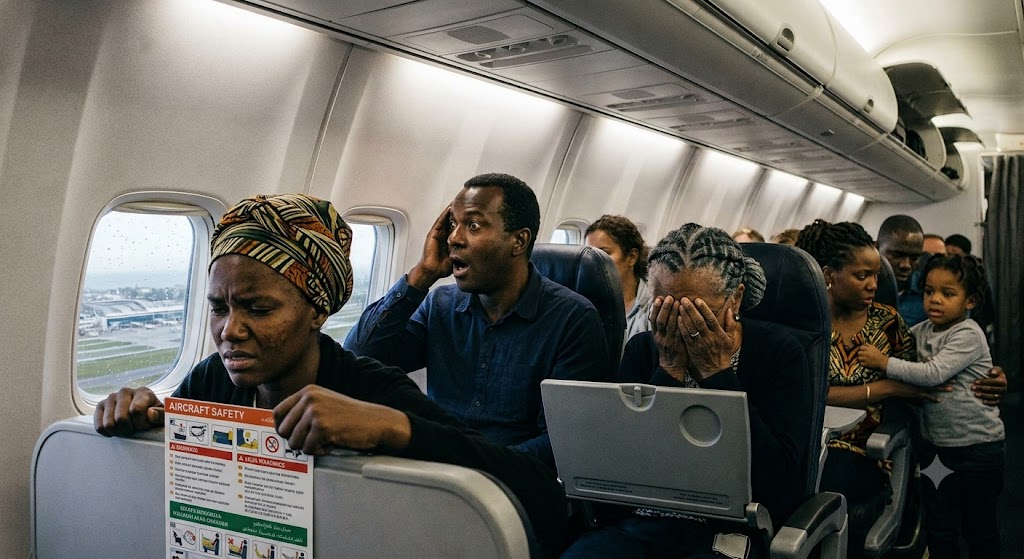
Boarding a flight from Nairobi to Kisumu or taking a long trip overseas comes with routine expectations. You settle into your seat, stow your luggage, and wait for a smooth ride.
However, when the aircraft begins to shake unexpectedly mid-flight, even seasoned travellers feel a quick spike of anxiety.
What actually causes turbulence in the sky
Turbulence happens when an aeroplane flies through unstable air currents. Just as a boat bumps along rough waves in the ocean, an aircraft moves up and down when it meets shifting wind patterns.
Pilots encounter three main types: thermal turbulence caused by rising warm air, mountain wave turbulence created when air moves over high landforms, and clear-air turbulence.
Clear-air turbulence is the most common reason planes shake without warning. It occurs at high altitudes when different air masses meet at high speeds, usually near jet streams. Because clear-air turbulence happens in clear skies without clouds, radar equipment cannot detect it in advance.
Despite the abrupt drops and shakes, commercial aircraft are engineered to withstand extreme physical forces. The wings are designed to flex under heavy pressure, and the structure absorbs heavy air pockets without breaking. Modern aviation standards ensure planes handle forces far greater than any rough weather can generate.
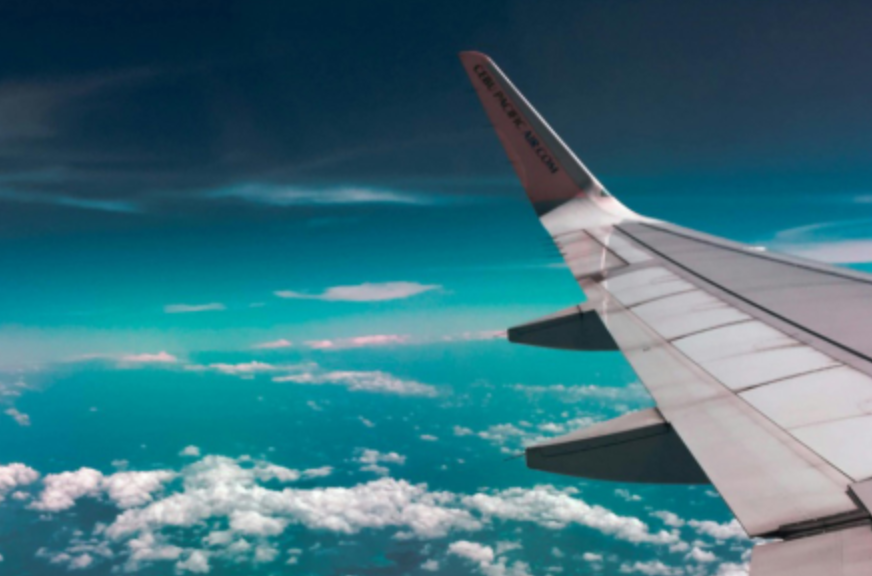
Why passengers are safe during rough flights
The primary fear during air disturbance is the thought of the plane falling out of the sky. In reality, an aircraft only shifts a few feet up or down during heavy shakes, even if it feels like a sudden drop of hundreds of feet to passengers inside the cabin.
Pilot training focuses heavily on navigating rough air conditions safely. Flight crews monitor weather maps constantly and adjust flight paths or altitudes to avoid rough spots whenever possible.
The biggest risk to passenger safety during turbulent flights comes from unbuckled seatbelts and loose luggage. When a plane jolts, loose objects move quickly across the cabin, and unbuckled passengers can strike overhead bins.
Keeping your seatbelt securely fastened throughout the journey, even when the seatbelt sign turns off, eliminates the risk of injury and ensures a safe flight.