Advertisement
Critical security briefings travellers receive and survival tips in case of a plane crash
19th August, 2026 01:21 PM
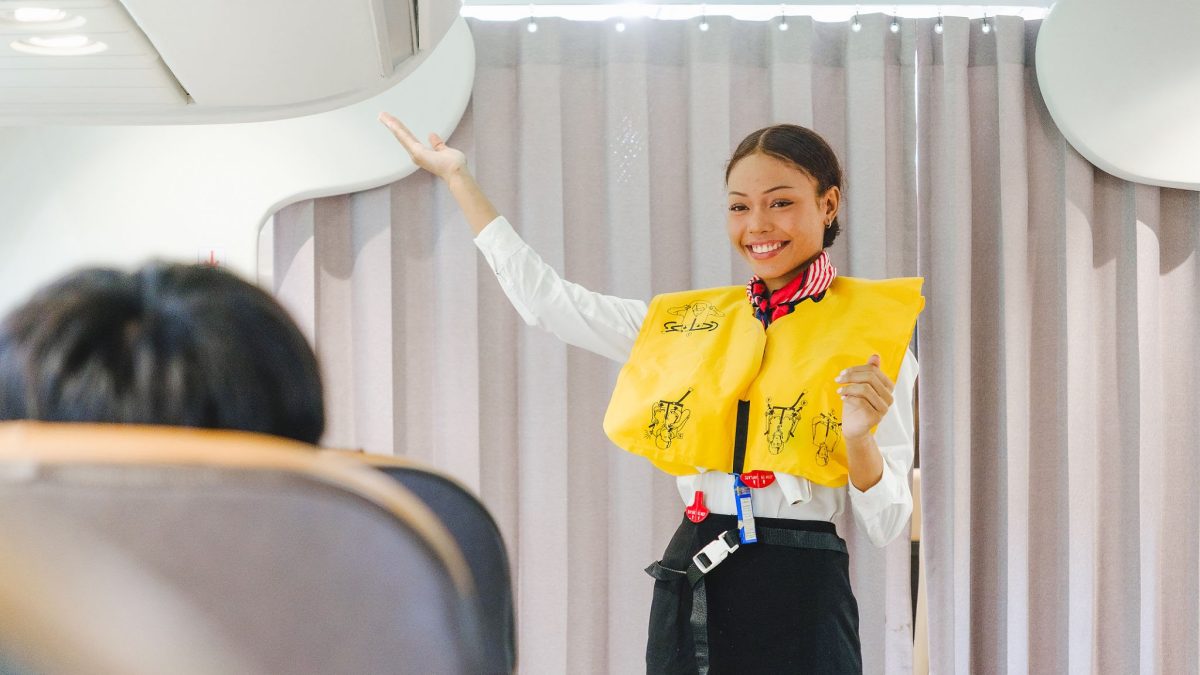
Before every flight takes off, passengers are given a safety briefing that frequent travellers barely notice. The demonstration covers several instructions designed to help people respond quickly during an emergency, including how to use seat belts, oxygen masks, emergency exits and life jackets.
One of the first instructions passengers receive is to fasten their seat belts securely and keep them on whenever seated. A properly fastened seat belt can help reduce injuries during sudden turbulence or an emergency landing.
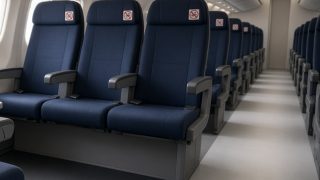
Passengers are also shown the location of emergency exits. Travellers are encouraged to identify the closest exit to their seat because it may not always be the door they used when boarding. Knowing where an alternative exit is located can also be useful if the nearest one becomes inaccessible.
Why airplane oxygen masks matter
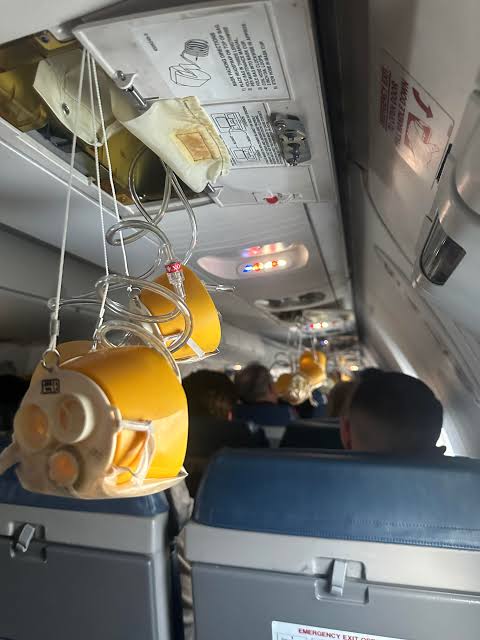
Another important briefing concerns oxygen masks. If cabin pressure drops, masks can automatically fall from the overhead compartments. Passengers are instructed to place the mask over their nose and mouth and breathe normally.
They are also told to secure their own mask before helping children or other passengers.
On flights equipped with life jackets, travellers are shown where they are stored and how to put them on. The instructions generally emphasise inflating the life jacket only after leaving the aircraft, as an inflated jacket could make it more difficult to move through a narrow cabin or exit.
Passengers may also be shown the brace position to use during an emergency landing. While the exact position can depend on the aircraft and seating arrangement, following the crew’s instructions is essential.
What to remember during an evacuation
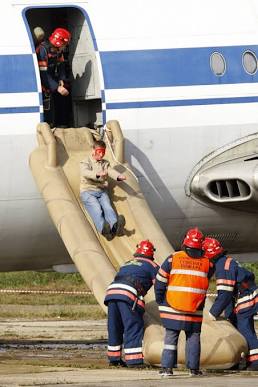
In the event of an evacuation, passengers are advised to leave their luggage behind. Trying to retrieve bags can slow down the evacuation, block aisles and create additional danger for other people.
After leaving the aircraft, passengers should move to a safe distance and follow instructions from cabin crew and emergency responders. They should not return to the aircraft for personal belongings.
Although no briefing can guarantee survival in every aviation accident, understanding these instructions before takeoff can help passengers react more quickly and avoid decisions that could put themselves or others at greater risk. The safety demonstration may last only a few minutes, but those minutes can become extremely important during an emergency.