Advertisement
Side hustle or second job: Which grows your income faster long-term?
17th July, 2026 12:03 PM
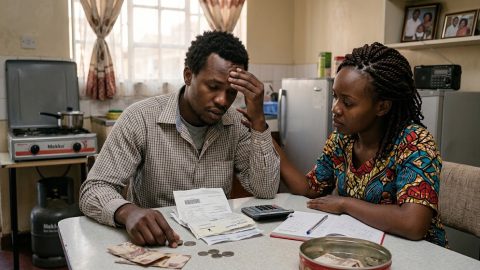
With the cost of living continuing to put pressure on household budgets, many people are looking for ways to earn more than their regular salary. Two of the most common options are taking on a second job or starting a side hustle. While both can increase income, they do not always deliver the same long-term results.
A second job usually provides a predictable income because it comes with fixed working hours and regular pay. A side hustle, on the other hand, often starts small and may not generate much money in the beginning.
However, if managed well, it has the potential to grow into a reliable source of income or even a full-time business. According to financial education guidance from the Consumer Financial Protection Bureau (CFPB), building multiple income streams can strengthen financial stability and improve long-term financial resilience.
A second job offers quicker financial relief
For anyone facing immediate financial pressure, a second job is often the fastest way to increase monthly earnings. Whether it involves weekend shifts, evening work or part-time employment, the income is usually guaranteed as long as the agreed hours are worked.
This can help cover daily expenses, clear debts, save for school fees or build an emergency fund. The MoneyHelper Financial guidance service notes that earning additional employment income can help improve short-term cash flow, provided workers also consider tax obligations and maintain a healthy work-life balance.
The downside is that income from a second job is generally limited by the number of hours available to work. Once those hours are exhausted, earning potential also reaches its limit.

A side hustle takes time but can create lasting wealth
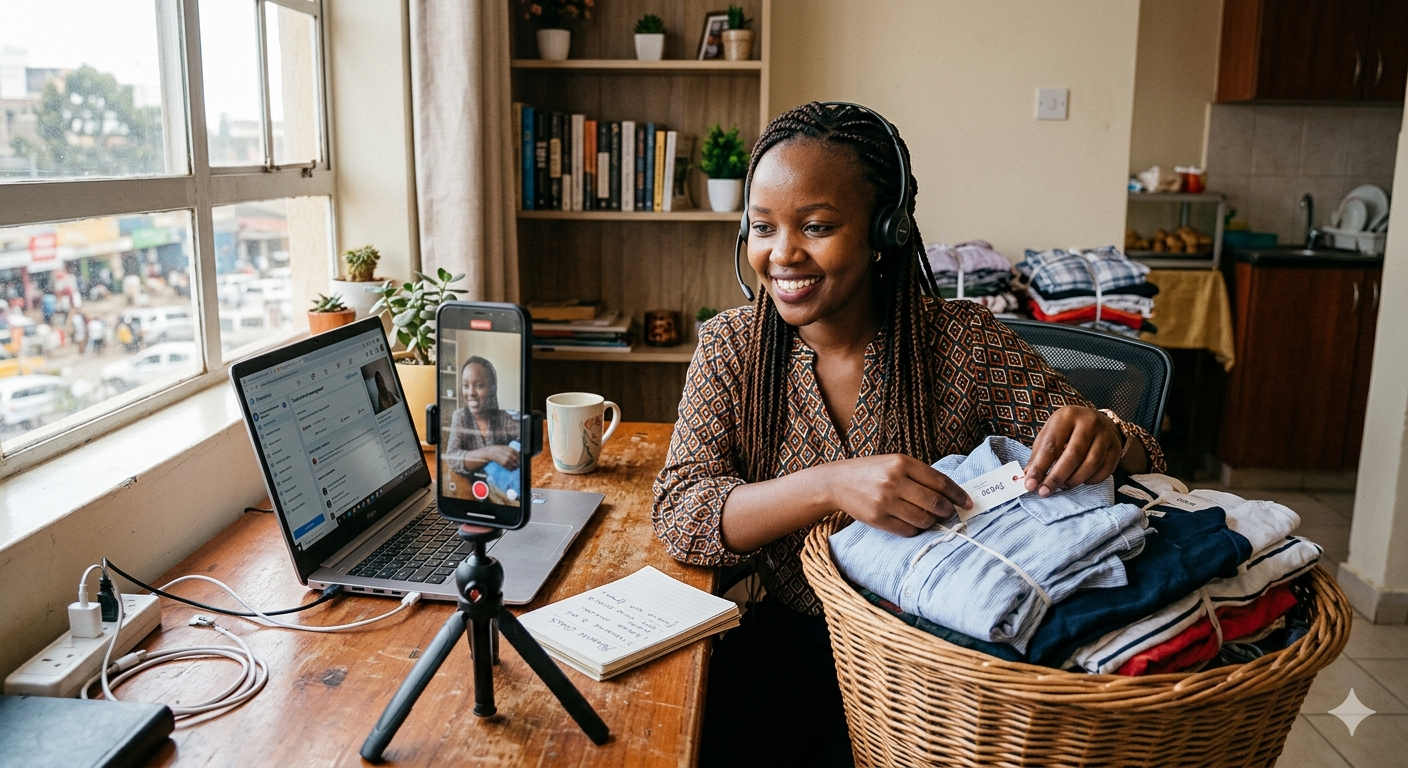
Unlike a second job, a side hustle often requires patience before meaningful returns begin to appear. It may involve selling products online, offering professional services, creating digital content, baking, photography or freelancing.
In the early stages, income may be inconsistent. However, as customers grow and systems improve, earnings can increase without necessarily working more hours.
Financial experts at the OECD’s International Network on Financial Education encourage entrepreneurship and diversified income sources as part of building long-term financial security, while emphasising the importance of financial planning and budgeting.
One major advantage is that a successful side hustle can eventually become a business capable of generating income even when the owner is not actively working every hour.
Skills can be just as valuable as money
Another factor worth considering is personal development. A second job may strengthen work experience and professional discipline, but a side hustle often helps people develop additional skills such as marketing, customer service, bookkeeping, negotiation and business management.

These skills can open new career opportunities and create additional earning potential beyond the original business idea. Entrepreneurial skills and small business development play an important role in improving income opportunities and supporting long-term economic growth.
Which option grows income faster over time?
The answer largely depends on individual goals.If the priority is meeting immediate financial needs, a second job is likely to produce results more quickly because income begins almost immediately.
However, for those thinking about long-term financial growth, a well-planned side hustle often offers greater potential. Unlike employment income, which is tied to working hours, a business can expand by attracting more customers, introducing new products or hiring additional help.
Financial planning experts also recommend avoiding the temptation to spend every extra shilling earned. Instead, setting aside part of the additional income for savings, investment or business expansion increases the chances of building lasting financial security.
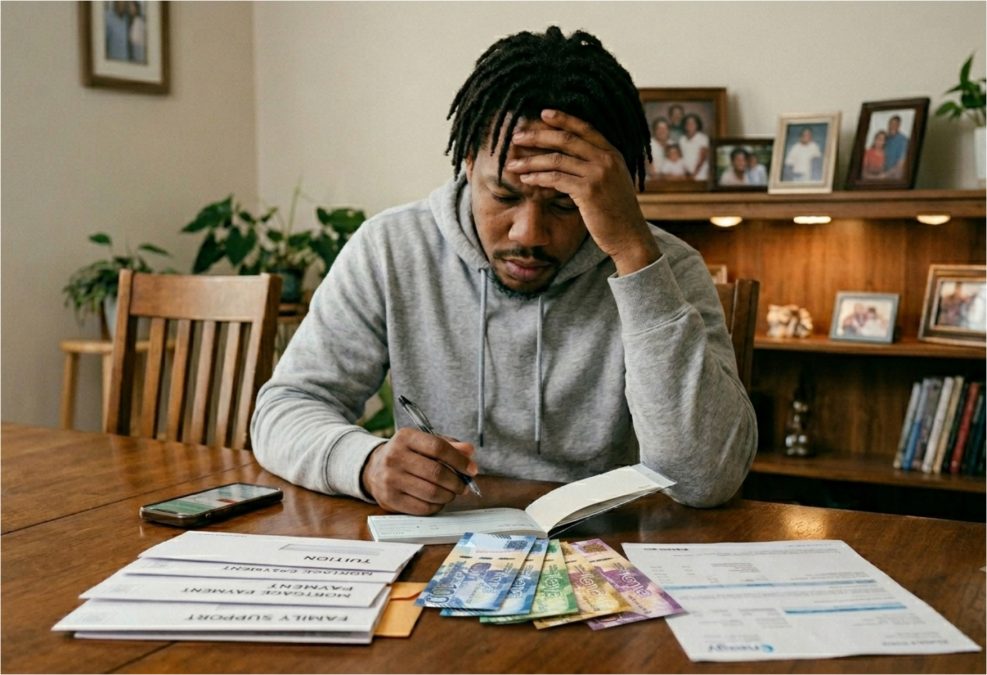
There is no single answer that suits everyone. A second job can provide stability and immediate earnings, while a side hustle offers the possibility of long-term growth and greater financial independence.