Advertisement
How small businesses are adapting to new consumer spending habits
16th June, 2026 01:32 PM
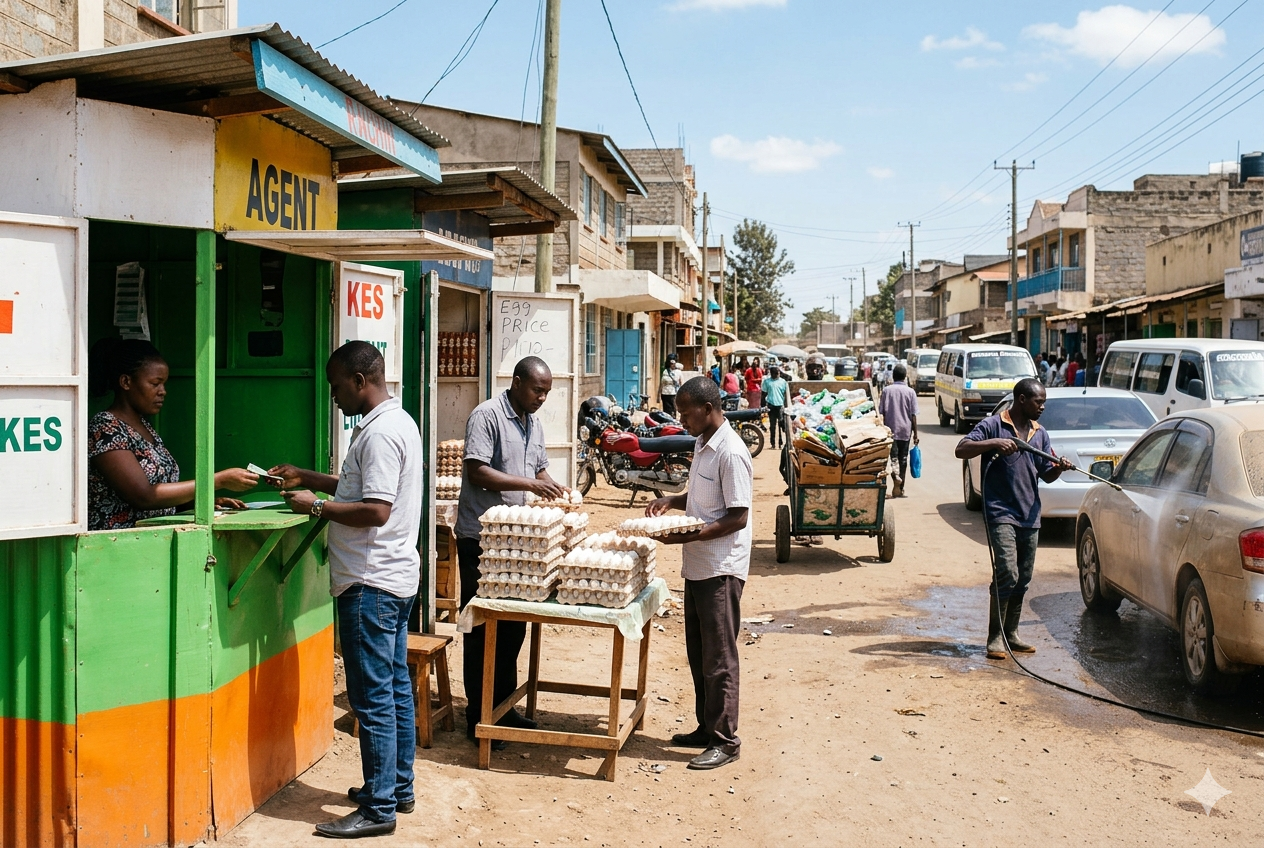
Small businesses today are becoming more careful about how they spend their money, and small businesses are taking notice. From neighbourhood shops to online sellers, many business owners are changing their strategies to keep up with new customer behaviours.
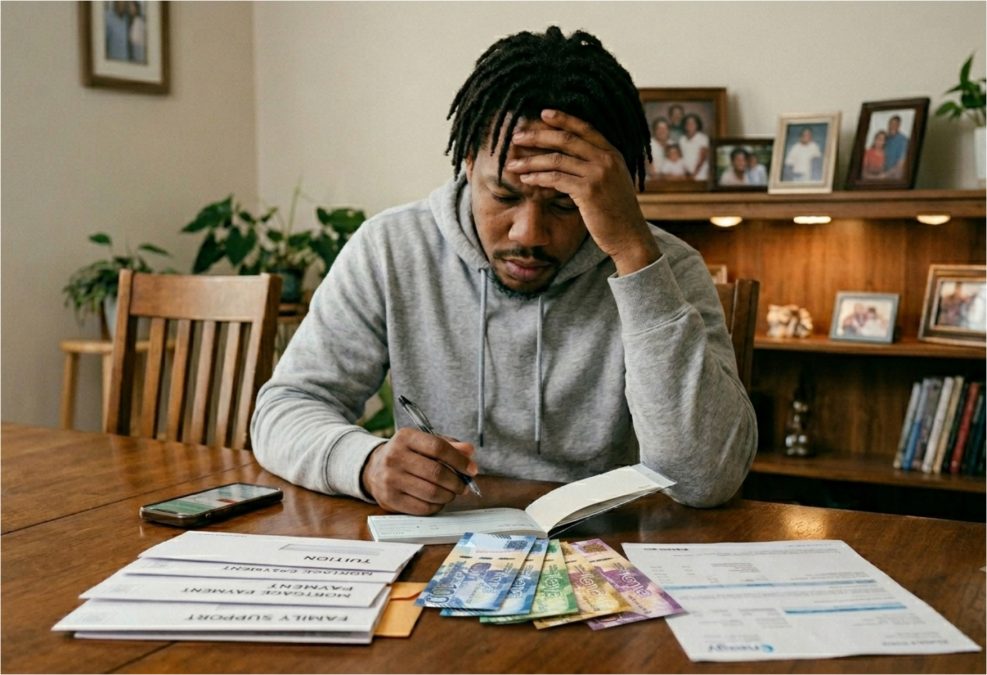
According to the Kenya National Bureau of Statistics (KNBS), rising living costs have continued to influence household spending, with many families prioritising essential goods and looking for ways to stretch their budgets further.
Customers are buying differently
One of the biggest changes small businesses have observed is that customers are taking more time before making purchases. Instead of buying items on impulse, many shoppers now compare prices, look for discounts, and focus on products they consider necessary.
According to the International Monetary Fund (IMF) households are increasingly becoming cautious with their spending due to economic pressures. This has led many consumers to reduce purchases of non-essential goods and focus on value for money.
As a result, businesses that once relied on large purchases are now seeing customers buy smaller quantities more frequently.
How small businesses are adjusting their cash flow strategies
Some small businesses have also adjusted the types of goods they sell. Instead of focusing on products that may take longer to sell, many are prioritising everyday items that customers need regularly.
Businesses that adapt quickly to changing consumer needs are often better positioned to remain stable during periods of economic uncertainty.
This shift helps businesses maintain a steady flow of sales while reducing the risk of holding unsold stock.
Some businesses have introduced flexible pricing strategies, including discounts for repeat customers and bundle offers, to maintain steady revenue streams.
Shift towards low-risk and high-demand goods
Small business owners are now investing more in essential goods that guarantee consistent demand. Businesses that focus on essential consumer goods tend to be more resilient during economic downturns.
Retail shops are increasingly reducing stock of high-risk items that take longer to sell, instead prioritising daily-use products such as food items, household essentials, and personal care goods. This approach helps reduce losses tied to unsold inventory and improves cash turnover.
Digital payments and financial adaptation
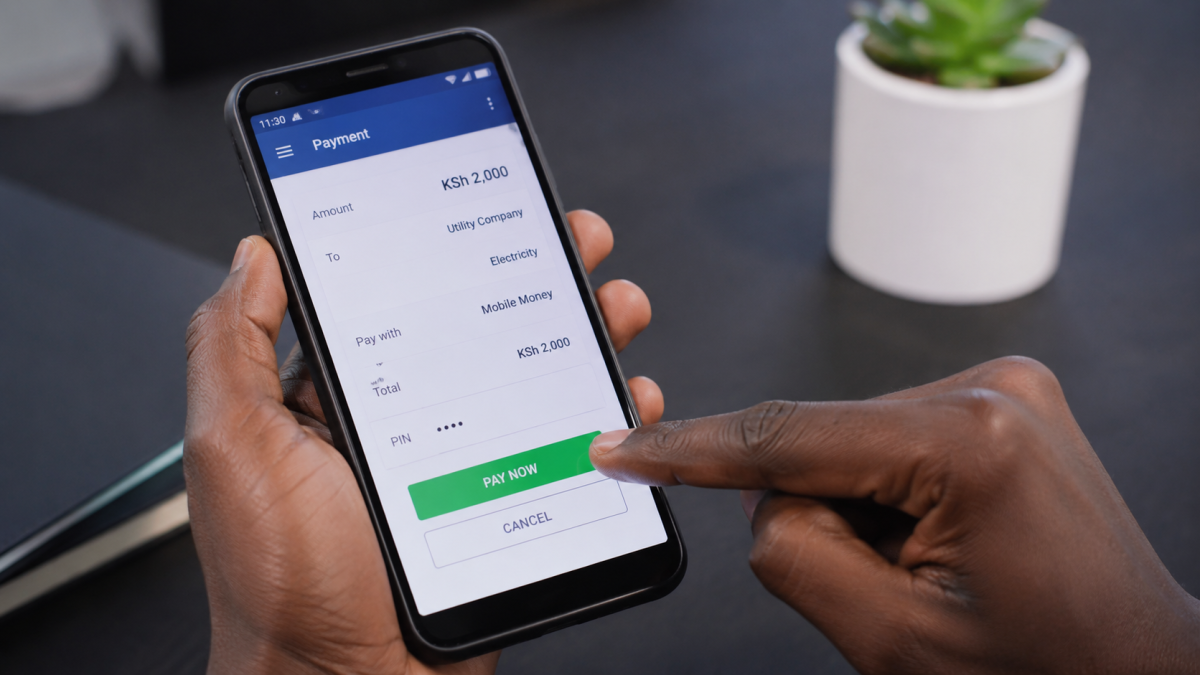
Many businesses are also turning to technology to reach customers more effectively. Social media platforms, online marketplaces and mobile money services have become important tools for attracting buyers and making transactions easier.
Digital platforms continue to play a growing role in business operations, especially among small and medium-sized enterprises.
By selling online and promoting products through social media, businesses can reach more customers without spending heavily on traditional advertising.
Ongoing financial challenges
Despite these adjustments, small businesses continue to face financial strain. According to the World Bank, high operational costs such as rent, transport, and utilities are still eating into profit margins. Limited access to affordable credit also remains a major barrier to expansion.
While economic conditions continue to affect spending patterns, small businesses are showing resilience by adapting to the changing needs of their customers.
As customers continue to make careful spending decisions, businesses that listen and respond to their needs are likely to remain relevant in a changing marketplace.