Advertisement
Aesthetically pleasing businesses that struggle to make money
05th June, 2026 02:48 PM
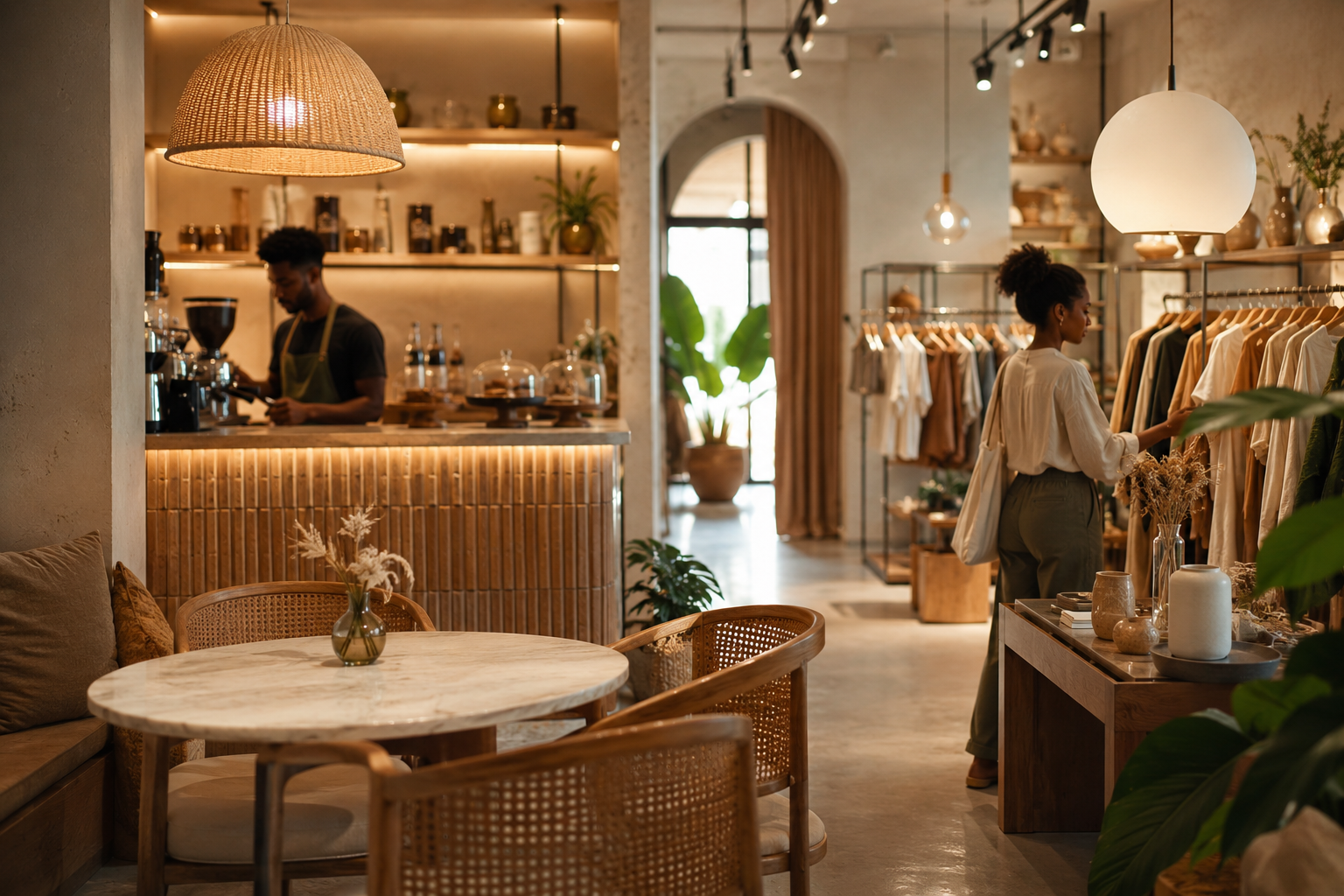
Cities today are increasingly shaped by businesses that feel more like experiences than places of trade. You notice them before you even understand what they sell. Soft lighting spilling onto the pavement, carefully curated interiors visible through glass walls, menus and racks arranged with the precision of a styled photoshoot. They do not just aim to attract customers; they aim to impress them, to be remembered, and ideally, to be shared online.
Beneath the polished surfaces and carefully chosen aesthetics, a quieter reality often sets in. Attention flows easily, but revenue does not always follow with the same enthusiasm. In a marketplace where trends change quickly, and costs rarely slow down, many visually driven businesses are discovering that beauty alone is no longer a reliable foundation for long-term income.
In the end, these businesses are not struggling because they are unattractive or poorly imagined. They struggle because the modern customer has changed. People want beauty, yes, but they also want value, speed, and consistency. Aesthetic appeal can bring attention, but it is repeat demand, clear identity, and real utility that keep a business alive long after the trend has passed.
Instagram cafés and concept restaurants
These are the cafés that feel like stepping into a carefully curated movie scene. Everything is designed for visual pleasure, from the plates to the chairs to the lighting that makes even a glass of water look expensive. They become popular quickly because people love new places to experience and share online. However, popularity does not always equal profitability. Many customers come for the aesthetic, not for multiple orders. A single drink can occupy a table for an hour while photos are taken from every angle. Over time, slow table turnover and high rent in prime locations create financial strain that aesthetics alone cannot solve.
Minimalist boutique fashion stores
These boutiques look like walking into a calm, quiet version of luxury. Everything is neutral, soft, and carefully arranged, often with clothing that feels more like art than everyday wear. While the branding is strong, the challenge lies in the market reality. These pieces are often expensive to source and import, yet the customer base is usually limited to a small group of buyers who can afford or justify premium pricing. Many visitors admire the collections but leave without purchasing, turning the store into more of an inspiration space than a consistent sales environment.
Artisan bakeries and dessert studios
These are the bakeries that make cakes look like sculptures and pastries look too perfect to eat. They gain traction quickly on social media because their products are visually irresistible. But behind the beauty is a costly production process. High-quality ingredients, skilled labour, and time-intensive preparation all increase expenses. If customers only visit occasionally for special treats or content creation, daily sales cannot always cover the high operational costs. What looks like a thriving sweet spot can quickly become a delicate financial balance.
Aesthetic home and lifestyle stores
These stores sell more than products; they sell a feeling. A calm home, a peaceful morning, a soft lifestyle. Everything is styled to perfection, from ceramic mugs to neatly folded linens. The challenge is that while customers love the idea, they do not always buy frequently. Many items are non-essential, and in times of financial pressure, lifestyle purchases are often the first to be delayed. Without repeat buying patterns, even the most beautiful store can struggle to maintain steady revenue.
Pop-up experience and immersive spaces
These are designed for moments rather than long-term engagement. They thrive on excitement, novelty, and social media buzz. People visit, take photos, enjoy the experience, and move on to the next trending attraction. The problem is sustainability. Once the excitement fades, foot traffic drops quickly, but operational costs such as rent, design changes, and staffing remain constant. Without continuous reinvention, income becomes unpredictable and short-lived.