Advertisement
What happens if you don’t collect your NTSA logbook?
16th July, 2026 03:25 PM
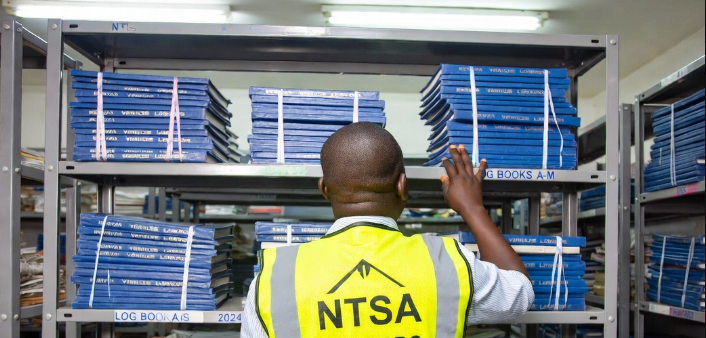
The National Transport and Safety Authority (NTSA) logbook is one of the most important documents a vehicle owner can possess.
It serves as the official proof of ownership and contains key information about a vehicle, including its registration number, chassis number, engine number, make, model and the registered owner’s details.
While many motorists collect their logbooks soon after registration or a change of ownership, others leave them uncollected for months.
Logbooks face disposal
Motorists who fail to collect their physical NTSA logbooks within six months of issuance risk having the printed document disposed of.
NTSA has announced that physical logbooks will only be retained for six months, after which any that remain uncollected will no longer be kept by the Authority.
The warning means vehicle owners who continue to delay collecting their logbooks could face inconvenience if they later require the physical document for vehicle transactions or verification.
“It is five months to the deadline, and we urge all motor vehicle owners who still have their logbooks at NTSA offices to collect them as soon as possible to avoid any inconveniences,” NTSA said.
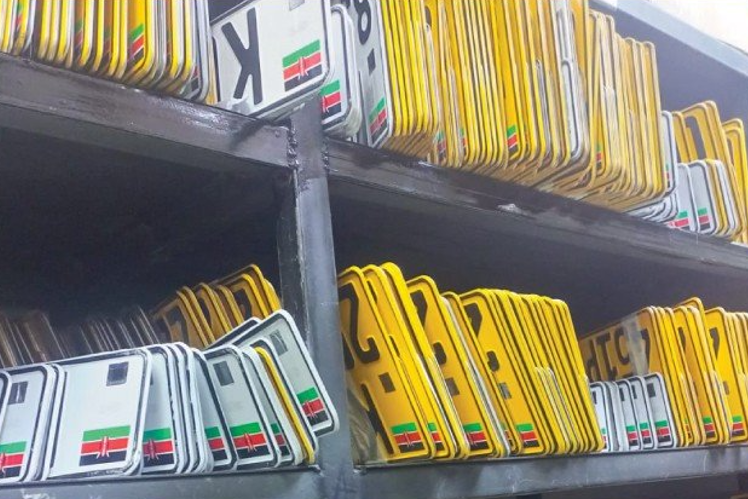
The Authority has also reminded motorists that collecting a physical logbook is free of charge. Owners are required to present an identification document and, where applicable, the previous logbook for verification before collecting the new one.
“Collection of logbooks is free. Carry the previous logbook and present your identification document at the collection centre or NTSA office for verification purposes,” the Authority said.
Ownership challenges arise
Failing to collect your NTSA logbook can complicate future transactions involving your vehicle. Although ownership records remain available in the NTSA system, the physical logbook is still an important legal document required in many transactions, including the sale or transfer of a vehicle and when using a vehicle as security for financing.
Potential buyers may be hesitant to complete a purchase if the original logbook is unavailable, while banks and other financial institutions often require the document before approving vehicle-backed loans.
Some insurance providers may also request the logbook when processing comprehensive cover or handling claims, making it an important document beyond simply proving ownership.
The logbook can also help resolve disputes involving ownership, particularly in cases of theft, accidents or court proceedings where official vehicle records may be required.
Author
William Muthama
William Muthama is a digital journalist with a focus on entertainment, human interest, and current affairs. Share stories: [email protected]/ [email protected]
View all posts by William Muthama