Advertisement
Healthy foods to eat after surgery
17th July, 2026 01:16 PM
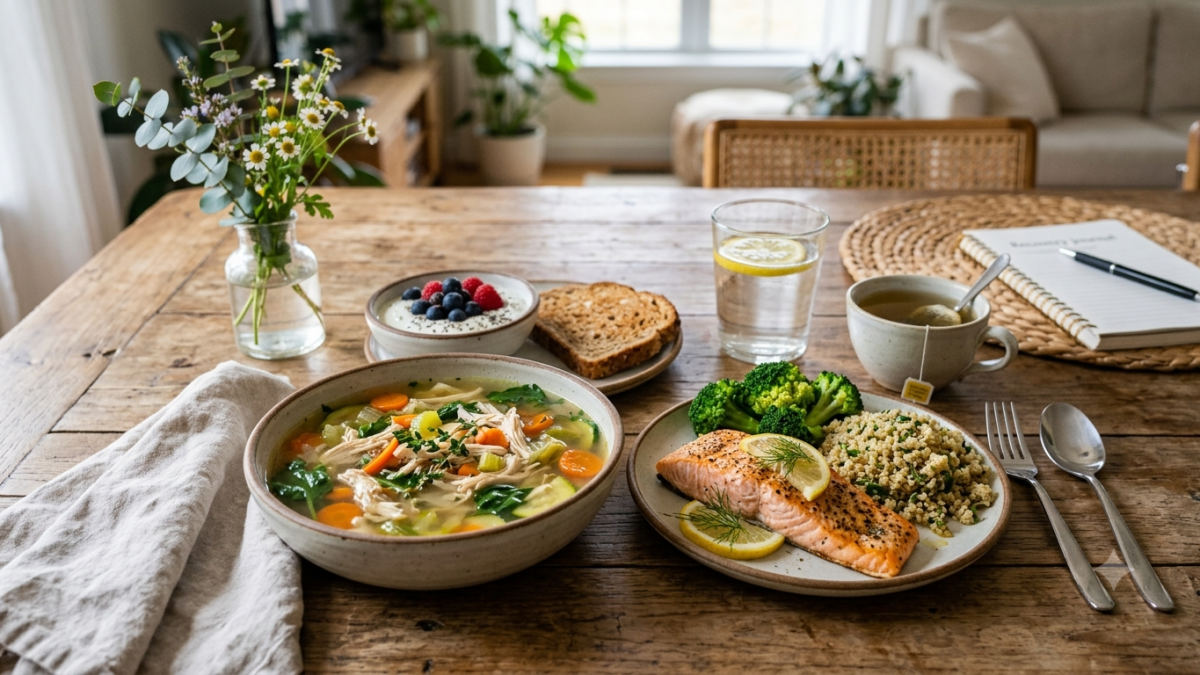
Recovering from surgery is about more than getting enough rest. The foods you choose during the healing process can help your body repair damaged tissues, strengthen your immune system and restore your energy.
According to the World Health Organization (WHO), good nutrition is an essential part of recovery because the body requires additional nutrients to heal wounds, prevent infections and regain strength.
A balanced diet made up of protein, vitamins, minerals, healthy fats and enough fluids can make recovery smoother. Here are eight foods and food groups worth adding to your plate after surgery.
1. Chicken and fish for tissue repair
Lean proteins are among the most important foods after surgery because the body uses protein to rebuild muscles, skin and other tissues affected during an operation.
Chicken breast, fish, turkey, eggs and lean beef are excellent sources of high-quality protein. Fish such as tilapia and salmon also provide nutrients that support overall healing.
Eating enough protein after surgery helps repair damaged tissues, maintain muscle mass and speed up wound healing, making it one of the most important nutrients during recovery.

2. Beans and lentils for extra protein
For those who prefer plant-based options, beans, lentils, peas and chickpeas are excellent choices.
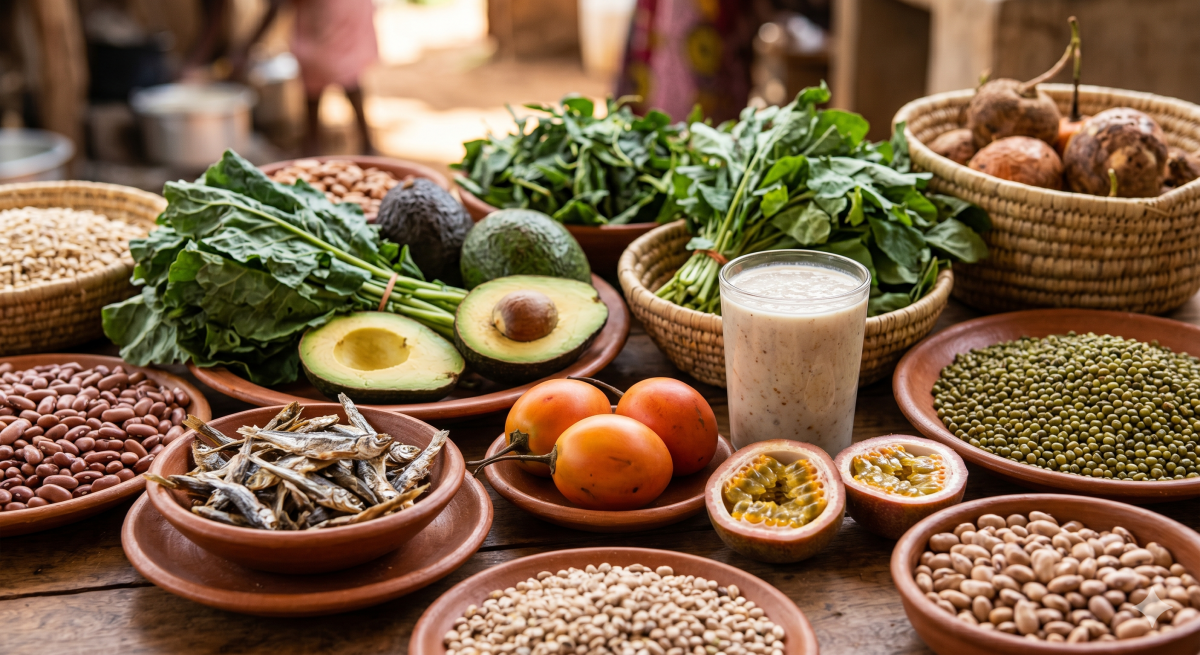
Besides protein, these foods contain iron, zinc and fibre. Iron helps transport oxygen around the body, while zinc supports wound healing and the immune system. Fibre also helps prevent constipation, a common problem after surgery due to pain medication and reduced movement.
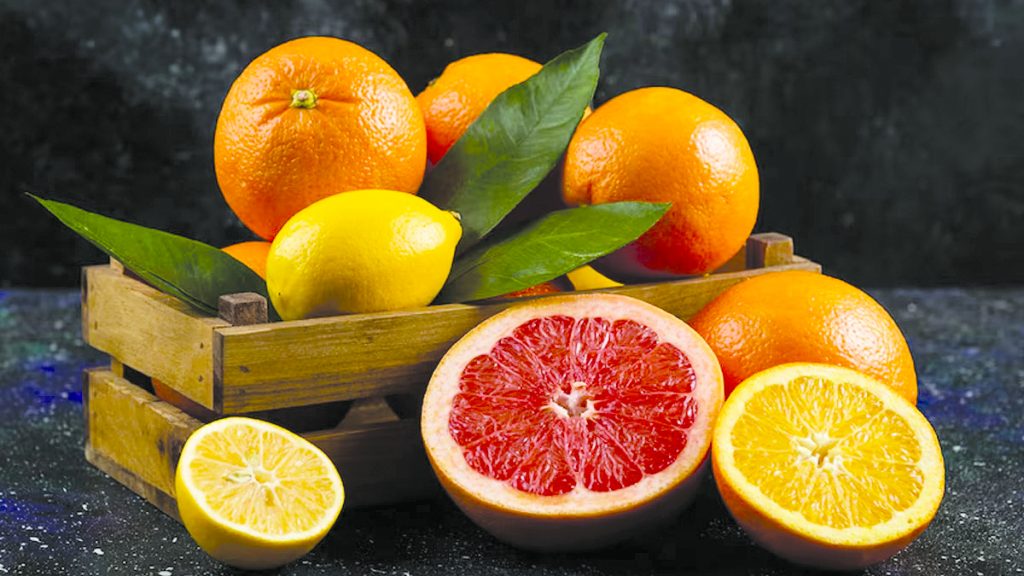
3. Citrus fruits and berries to boost immunity
Fruits rich in vitamin C are especially valuable after surgery because vitamin C helps the body produce collagen, a protein needed to repair skin and tissues.
Oranges, lemons, tangerines, strawberries and berries are all good options. Other colourful fruits such as mangoes and pawpaw also provide antioxidants that protect the body’s cells while supporting recovery.
Vitamin C plays a key role in collagen formation, wound healing and maintaining a healthy immune system, all of which are important after surgery.
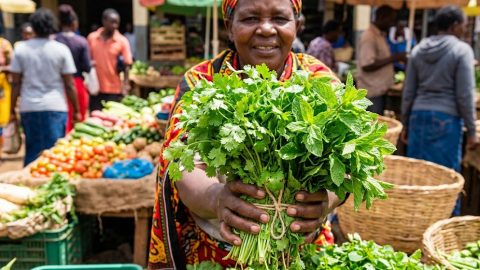
4. Leafy green vegetables for wound healing
Vegetables supply vitamins, minerals and antioxidants that help the body recover.
Spinach, sukuma wiki, broccoli, cabbage and carrots are packed with vitamins A, C and K, as well as folate. These nutrients help strengthen immunity, encourage wound healing and support healthy blood clotting after surgery.
The World Health Organization recommends eating a variety of fruits and vegetables daily because they provide essential vitamins and antioxidants needed for good health and recovery.
5. Avocados, nuts and olive oil to reduce inflammation
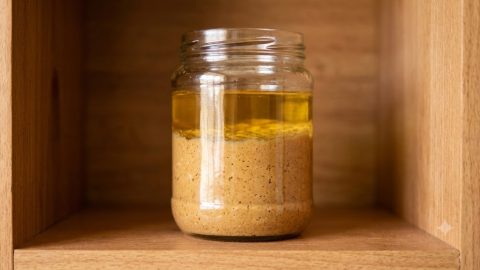
Healthy fats play an important role in controlling inflammation while helping the body absorb vitamins A, D, E and K.
Avocados, almonds, walnuts, sunflower seeds and olive oil contain healthy unsaturated fats that support heart health and tissue repair. Adding small portions of these foods to meals can improve nutrition without placing extra strain on digestion.
6. Water for proper hydration
Staying hydrated is just as important as eating well after surgery.
Water helps transport nutrients throughout the body, keeps tissues healthy and supports kidney function as the body clears medicines and waste products. Most people should drink enough fluids throughout the day unless advised otherwise by their healthcare provider.
Proper hydration supports circulation, digestion and normal body functions, all of which contribute to a smoother recovery after surgery.
7. Soups, milk and smoothies for easy nutrition
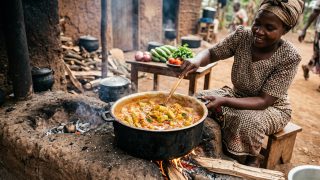
Some people experience a reduced appetite or difficulty chewing after surgery. In such cases, nourishing liquids can provide important nutrients without being difficult to consume.
Vegetable soups, bone broth, milk, yoghurt and fruit smoothies provide fluids, protein, vitamins and minerals that support healing while keeping the body hydrated.
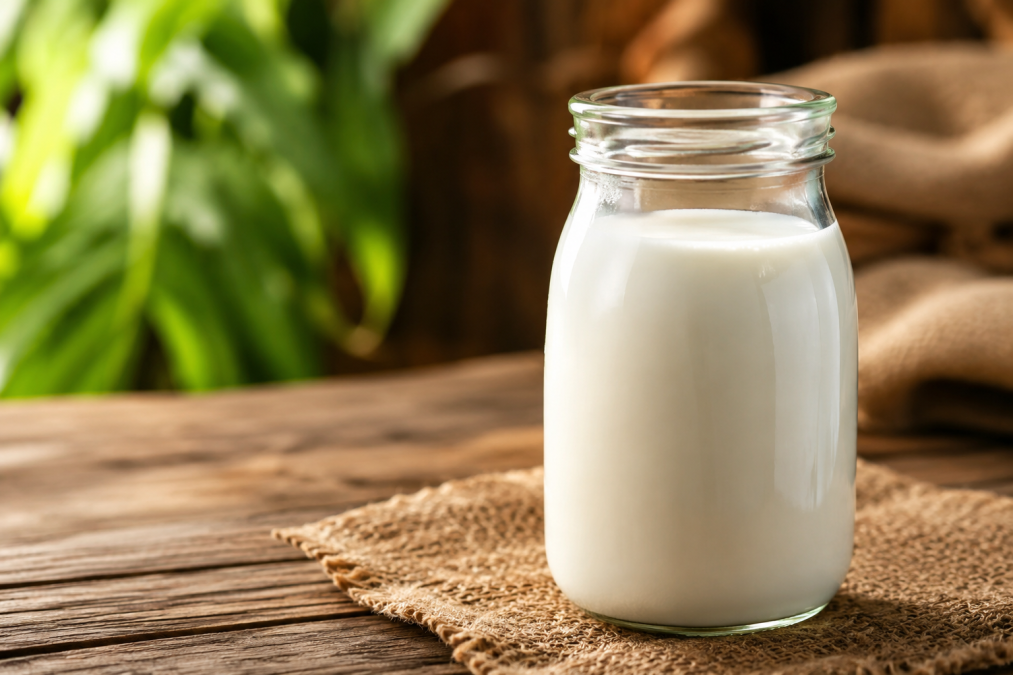
The Academy of Nutrition and Dietetics recommends nutrient-rich soups, dairy products and smoothies as practical ways to meet protein and calorie needs during recovery when appetite is reduced.
Foods to limit or avoid during recovery
While healthy foods support healing, some foods can slow the recovery process. Highly processed foods, sugary snacks, soft drinks and deep-fried meals may increase inflammation while offering very little nutritional value.
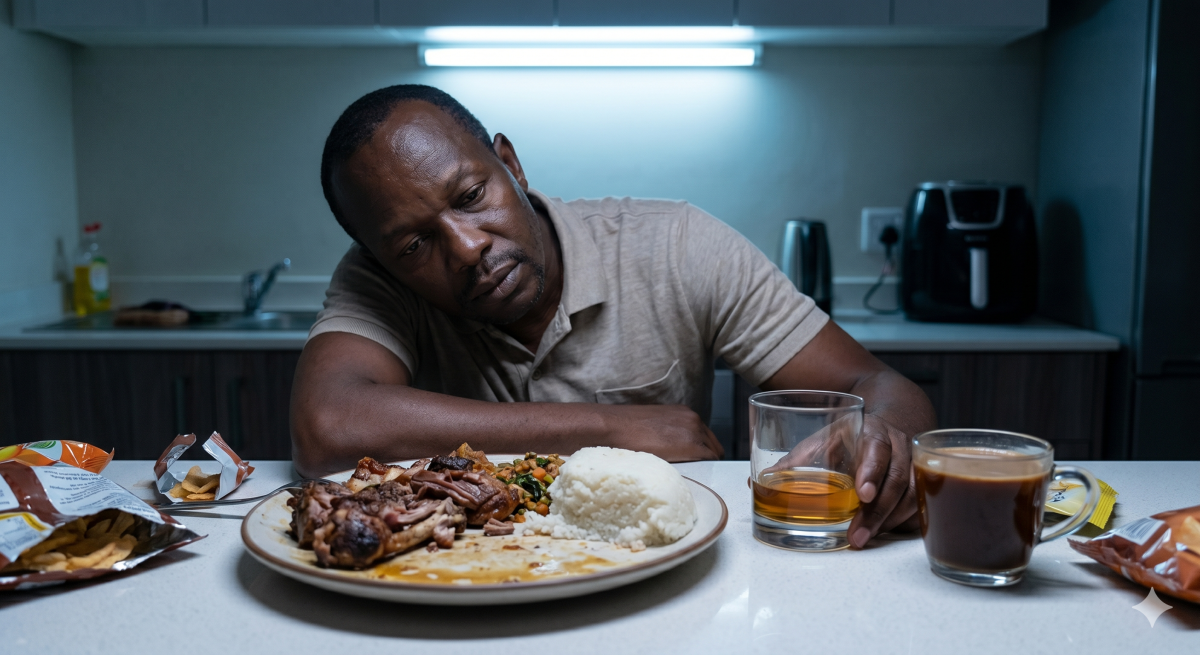
It is also advisable to limit excessive salt, alcohol and processed meats, as these may affect hydration, blood pressure and overall recovery. If you have been prescribed medication, always follow medical advice regarding foods or drinks that should be avoided.
According to the NHS, limiting highly processed foods, excess sugar, salt and alcohol supports better healing and reduces the risk of complications during recovery.