Advertisement
How to keep avocados fresh for days after cutting them
06th August, 2026 12:10 AM
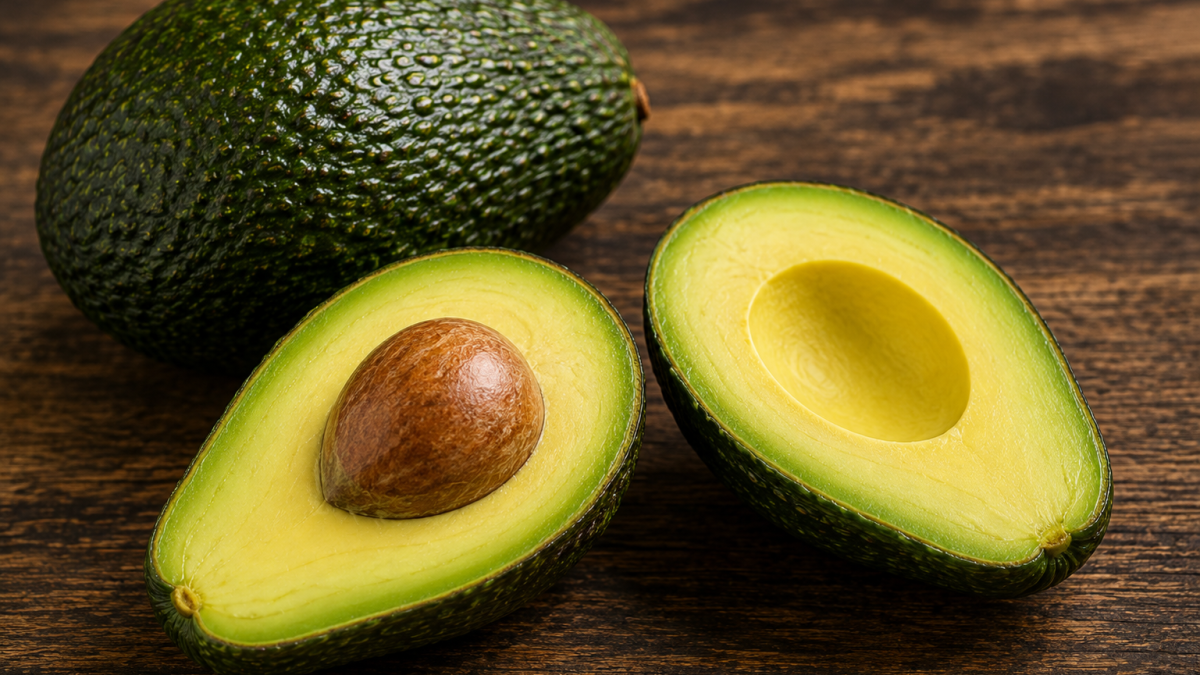
There are few things more frustrating in the kitchen than cutting open a perfectly ripe avocado, using only half of it, and returning the next day to find the other half looking brown, dull and rather unappetising. One minute it is creamy, fresh and ready to spread on toast or toss into a salad. The next, it resembles something that has been forgotten at the back of the fridge.
The good news is that a brown avocado does not always mean it has gone bad. Most of the time, the colour change is simply a natural reaction that happens when the fruit is exposed to air. This process, known as oxidation, is the same reason apples and bananas turn brown after they are cut. While the avocado may still be safe to eat if it has only changed colour, its appearance, taste and texture are often less enjoyable.
If you regularly find yourself throwing away half-used avocados, a few simple storage tricks can help you keep them fresh for much longer. Here are five practical ways to extend the life of your avocado after cutting it.
Leave the pit in place
If you only need half of the avocado, keep the seed, also known as the pit, in the unused half. While this will not completely stop browning, it does protect the area directly underneath it by reducing its exposure to oxygen.
Once you have finished using the other half, avoid scooping out the seed. Instead, place the avocado in an airtight container or wrap it tightly before refrigerating. When you are ready to eat it later, remove the pit and scrape away any thin brown layer that may have formed on the surface.
Think of the pit as a tiny bodyguard. It cannot protect the entire avocado, but it does a decent job of defending the part it covers.
Brush the flesh with lemon or lime juice
One of the oldest kitchen tricks is still one of the best. Lemon and lime juice contain vitamin C and natural acids that slow down oxidation, helping the avocado stay green for longer.
Using a pastry brush or even the back of a spoon, lightly coat the exposed flesh with a small amount of fresh lemon or lime juice. There is no need to drench it. A thin layer is enough to do the job without changing the flavour too much.
If you plan to use the avocado in a salad, sandwich or guacamole, the slight citrus taste will usually blend in perfectly. It is a simple step that takes less than a minute but can save you from throwing away perfectly good fruit.
Wrap it tightly to keep air out
Air is the biggest reason avocados turn brown, so limiting contact with oxygen is one of the most effective ways to preserve them.
Press plastic wrap directly against the cut surface of the avocado so there are no air pockets. Then wrap the entire fruit tightly or place it inside an airtight food container. If you have reusable silicone food covers, they work just as well and reduce plastic waste.
Once wrapped, store the avocado in the refrigerator rather than leaving it on the kitchen counter. The cool temperature slows down the ripening process, giving you a few extra days before the fruit becomes overly soft.
The less air your avocado meets, the longer it will stay looking like it was just sliced.
Store it with onion slices
This tip often surprises people, but it works remarkably well. Place a few slices of red or white onion at the bottom of an airtight container and rest the avocado above them without allowing the cut surface to touch the onions directly.
Onions release natural sulphur compounds that help slow oxidation. As a result, the avocado stays greener for longer.
Do not worry too much about your avocado tasting like onion. Since the fruit does not sit directly on the slices, it usually absorbs very little flavour. This method is especially useful if you plan to mash the avocado later for guacamole or use it in savoury dishes.
It may sound like an unusual kitchen friendship, but avocado and onion often make an excellent team long before they meet in a salad bowl.
Know when it is time to let it go
Even with the best storage methods, no avocado lasts forever. If it develops a sour smell, becomes slimy, grows mould or has dark patches that extend deep into the flesh, it is best to throw it away.
A thin brown layer on the surface is usually nothing to panic about. In many cases, you can simply scrape it off with a spoon to reveal fresh green avocado underneath. However, if the entire fruit has changed texture or smells unpleasant, it has reached the end of its journey.
To avoid waste altogether, try buying avocados at different stages of ripeness instead of several fully ripe ones at once. That way, you will always have one ready to eat while the others continue ripening naturally.