Advertisement
Secret to non-sticky pasta every home cook should know
21st May, 2026 11:18 PM
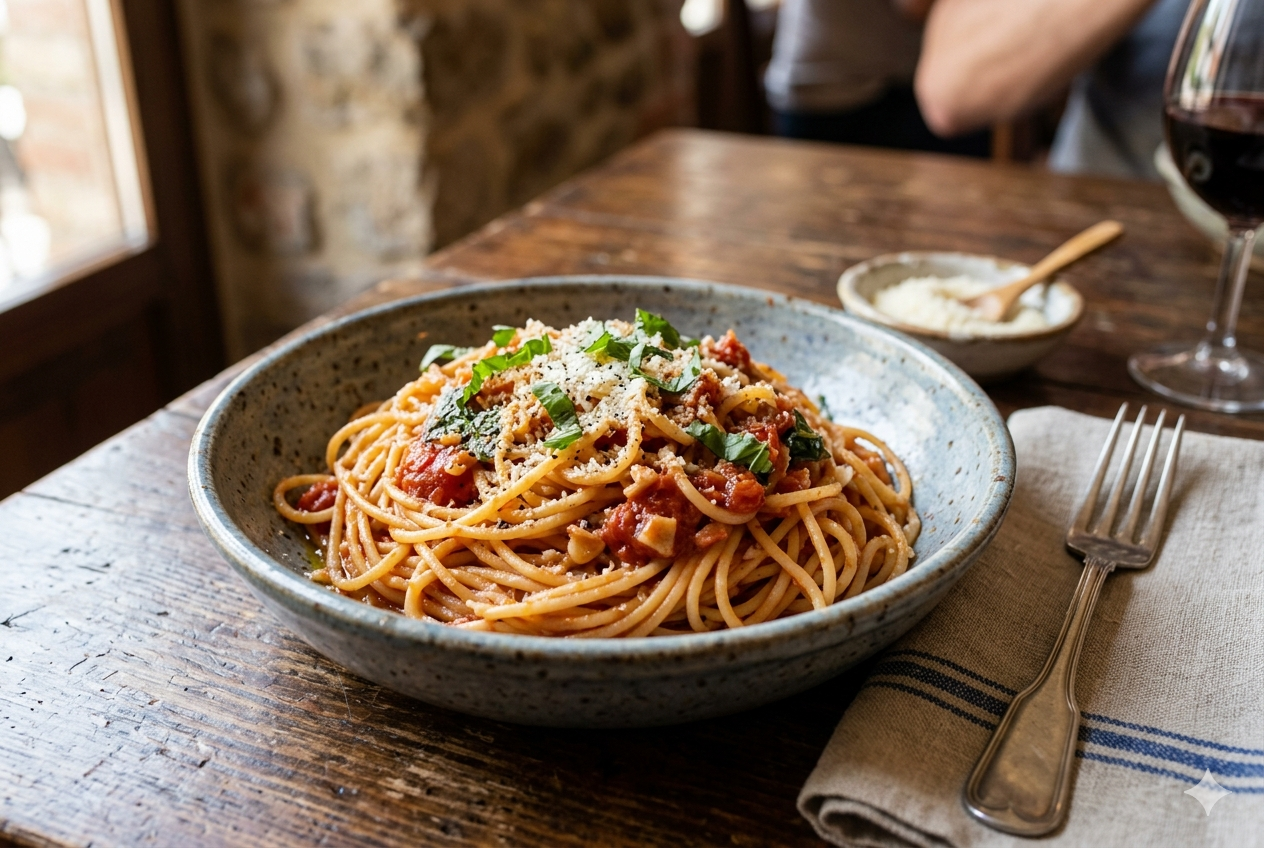
Cooking pasta looks easy until you lift the spoon and find a tangled, stubborn clump that resembles something between noodles and glue. Almost everyone has had that moment where dinner suddenly looks like it is auditioning for a horror film. The good news is that stopping pasta from sticking is not complicated at all. It is mostly about timing, water, and a few small habits that make a big difference.
To understand the problem properly, it helps to think of Pasta as something that releases starch when cooked. That starch is what makes pasta deliciously silky when handled correctly, but it is also what causes strands to cling together if you ignore it for even a few minutes.
Below are the practical, tried and tested ways to keep your pasta loose, smooth, and ready to carry your sauce like it was born for it.
Use enough water, not a tiny pot of hope
One of the biggest mistakes people make is using too little water. Pasta needs space to swim freely. When it is squeezed into a small pot with barely enough water to cover it, the starch concentration becomes too high, and everything turns sticky very fast.
A good rule is to use a large pot with plenty of boiling water so each piece can move around. Think of it as giving your pasta room to dance instead of cramming it into a crowded bus during rush hour. The more space it has, the less chance it has to clump.
Salt the water properly
Salt does more than add flavour. It also slightly improves the texture of pasta by strengthening the surface during cooking. This reduces excessive starch release, which helps prevent sticking.
Add salt only after the water is boiling. Do not be shy about it, because salted pasta tastes flat and tends to feel gummy. The water should taste like a mild sea, not like plain tap water pretending to be soup.
Stir early and keep it moving
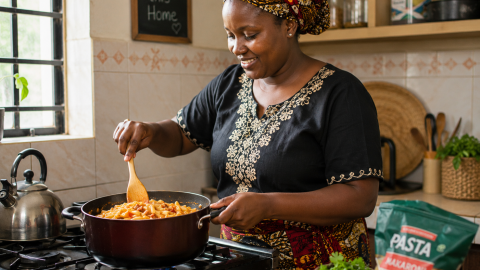
The first two to three minutes of cooking are the most important. This is when pasta is at its stickiest stage. As soon as you drop it into the pot, give it a good stir using a spoon or tongs.
That initial movement separates the strands before they have a chance to bond like old friends who refuse to let go. After that, occasional stirring is enough. The goal is to keep everything in motion, especially during the early stage.
Do not walk away like nothing is happening
Pasta is not the kind of food you leave unattended like laundry. Those few minutes when it is boiling are critical. If you forget it, you return to a pot of soft, sticky disappointment.
Stay nearby, stir occasionally, and watch the texture change. Cooking pasta properly is less about strict rules and more about paying attention at the right time.
Avoid adding oil to the water
There is a popular kitchen myth that adding oil prevents sticking. In reality, it mostly just floats on top of the water and does very little for the pasta itself. Worse still, it can make the surface slippery, which stops sauce from clinging properly later.
Instead of oiling the water, focus on proper stirring and enough water volume. That is what actually keeps pasta separate and smooth.
Drain it correctly and do not let it sit
Once pasta is cooked, timing matters again. Drain it immediately using a colander. Do not leave it sitting in hot water even for a minute, because residual heat and starch will continue to make it clump.
Give the colander a gentle shake to remove excess water. Then move quickly to the next step instead of letting it rest like it is on vacation.
Toss it with sauce immediately
The moment pasta is drained, it should meet its sauce right away. This is when it is at its most flexible and least sticky. The sauce coats each strand and locks in separation.
If you leave it plain in a bowl, it will quickly glue itself together into one solid mass. Pasta waits for no one.
Use a little pasta water magic
Before draining completely, save a small cup of cooking water. That starchy water is gold. When added to your sauce, it helps emulsify everything and keeps the pasta glossy and separate.
It might look like cloudy water, but it is actually one of the secrets to restaurant-style pasta.
Do not overcook it
Overcooked pasta releases too much starch and becomes soft, swollen, and more likely to stick. Always aim for al dente texture, where it still has a slight bite.
That firmness helps the pasta hold its shape and prevents it from collapsing into a sticky pile.
Bonus tip for leftovers
If you are storing leftover pasta, do not leave it plain. Always mix it with a little sauce or oil before refrigerating. Plain pasta in the fridge becomes a solid block that even determination cannot fix.
When reheating, add a splash of water or sauce to loosen it again.