Advertisement
The history of pasta and how it became a global favourite
21st July, 2026 10:43 PM
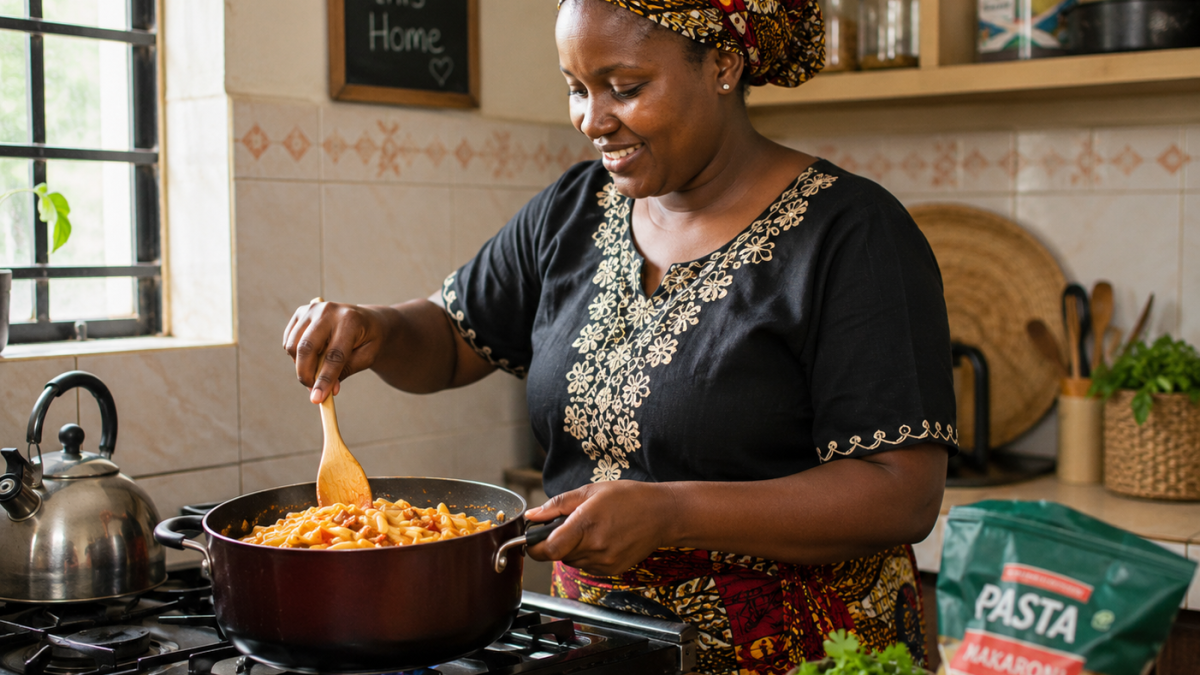
Pasta is one of the world’s most popular comfort foods. From simple spaghetti and macaroni to lasagna and ravioli, it is enjoyed by millions of people every day.
It is affordable, versatile and easy to prepare, making it a staple in homes, restaurants and street food menus across the globe. But while pasta is closely associated with Italy, its story stretches back thousands of years and spans several cultures.
Historians believe that pasta has ancient roots. Early forms of noodle-like foods were eaten in China more than 4,000 years ago. Archaeologists discovered well-preserved millet noodles at the Lajia archaeological site in northwestern China, providing some of the earliest evidence of noodle consumption.
Similar foods also appeared in ancient civilisations around the Mediterranean, where people mixed flour and water to create simple dough that could be dried and stored.
Although many people have heard the story that the famous explorer Marco Polo brought pasta from China to Italy in the 13th century, most food historians consider this a myth.
Historical records show that pasta already existed in Italy before Marco Polo returned from his travels. Instead, experts believe pasta evolved over time through different cultures exchanging culinary ideas, particularly around the Mediterranean.
Pasta storage
Italy played the biggest role in turning pasta into the beloved dish we know today. During the Middle Ages, dried pasta became especially popular in southern Italy because the warm climate made it easy to dry and preserve.
This allowed pasta to be stored for long periods and transported over long distances, making it an important food for traders and travellers.
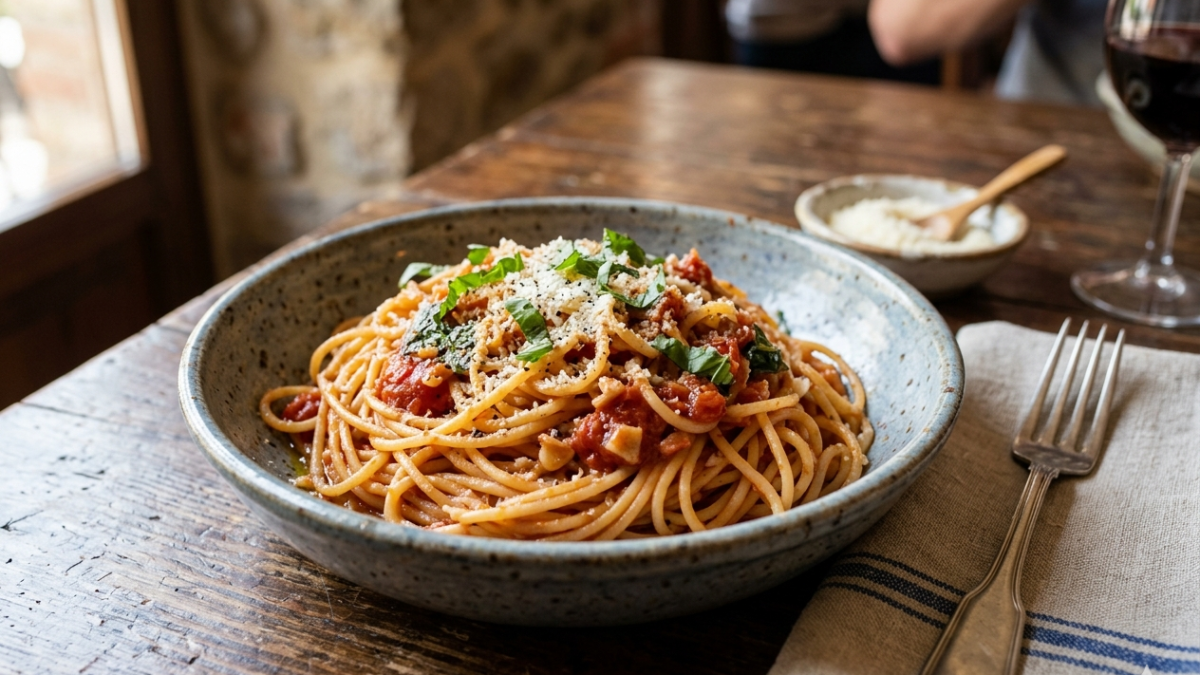
As pasta production improved, Italian families developed countless recipes using local ingredients such as olive oil, herbs, vegetables and cheese. The introduction of tomatoes from the Americas in the 16th century eventually transformed Italian cooking.
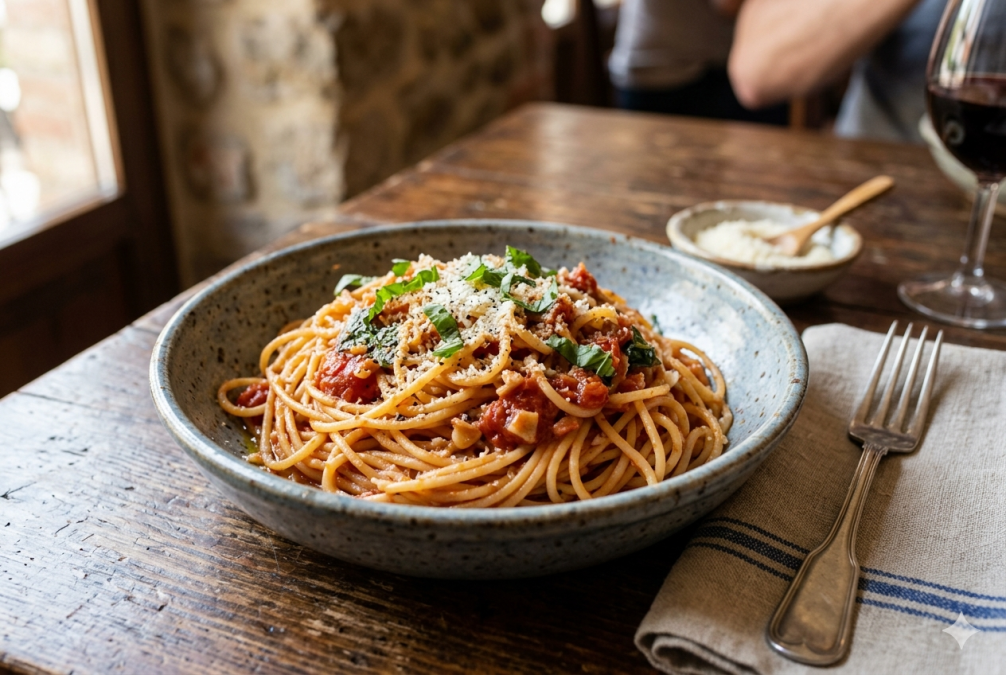
Tomato-based sauces, which are now considered classic companions to pasta, became widely popular over the following centuries.
The Industrial Revolution in the 19th century made pasta even more accessible. Machines allowed manufacturers to produce pasta on a larger scale, reducing costs and making it available to more households.
Around the same time, millions of Italians emigrated to countries such as the United States, Argentina, Brazil and Australia, taking their traditional recipes with them. Italian restaurants soon appeared in cities around the world, helping pasta gain international popularity.
Pasta consumption today
Today, pasta has become a truly global dish. Every region has adapted it to local tastes and ingredients. In Kenya, for example, pasta is often prepared with beef stew, chicken, vegetables or spicy tomato sauces.
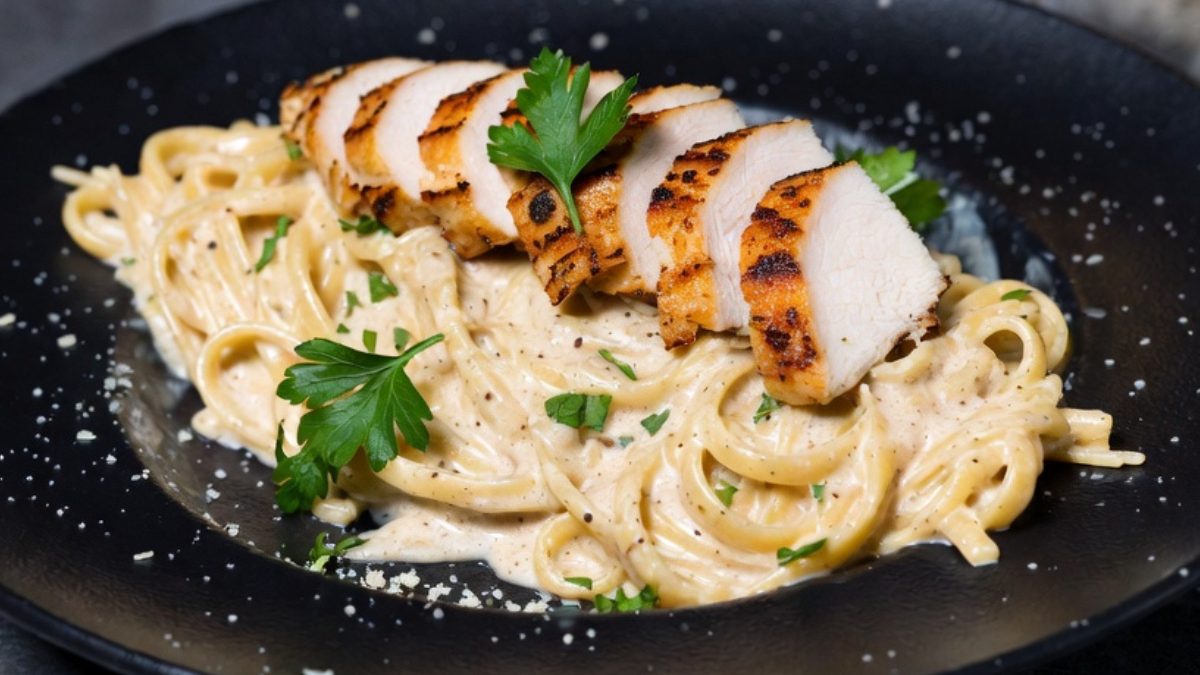
Elsewhere, it may be served with seafood, creamy sauces, mushrooms or plant-based alternatives. From quick weekday meals to elaborate family dinners, pasta continues to fit into different cultures and lifestyles.

Part of pasta’s enduring appeal is its versatility. It comes in hundreds of shapes, each designed to pair with different sauces and ingredients. It is also budget-friendly, cooks quickly and can be enjoyed in countless ways, making it suitable for busy families, students and professional chefs alike.
Research also suggests that pasta can be part of a healthy, balanced diet when eaten in appropriate portions and combined with vegetables, lean proteins and healthy fats. Whole-wheat pasta provides additional fibre, while legume-based pasta offers higher protein content for those looking for nutritious alternatives.
From its ancient beginnings to modern kitchens around the world, pasta has travelled an extraordinary journey. Its rich history reflects centuries of cultural exchange, innovation and tradition.
Whether served with a simple tomato sauce or transformed into a gourmet meal, pasta remains a timeless favourite that continues to bring people together around the dining table.