Advertisement
How grief physically affects the body, not just emotions
19th July, 2026 09:27 AM
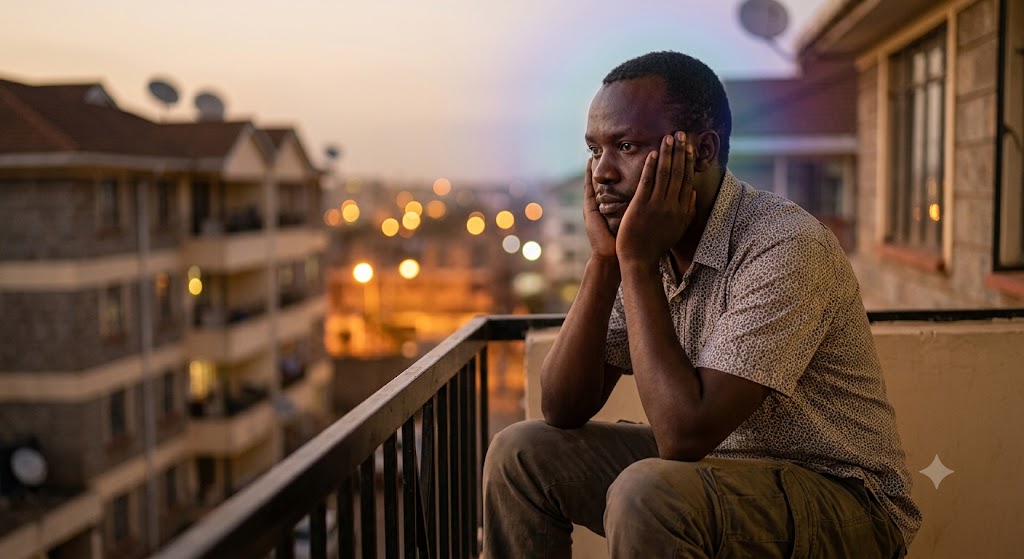
Grief is often described as an emotional response to losing someone or something important, but its effects go far beyond sadness. While many people expect tears, loneliness, and emotional pain after a loss, fewer realise that grief can also trigger real physical symptoms that affect nearly every part of the body.
Whether the loss comes through death, separation, miscarriage, job loss or another major life change, the body responds to grief in ways that can make daily life more difficult. Health experts say recognising these physical effects is an important step towards healing and knowing when to seek support.
Why grief affects the body
Grief places the body under significant stress. During periods of intense emotional pain, the brain signals the release of stress hormones such as cortisol and adrenaline. While these hormones help the body respond to stressful situations, remaining in this state for a prolonged period can affect normal bodily functions.
Grief is a natural response to loss, and although it is experienced differently by every individual, it can affect both mental and physical health.
The WHO notes that prolonged stress can have wide-ranging effects on the body, influencing sleep, appetite, energy levels and overall wellbeing.
For some people, the physical symptoms appear immediately after a loss, while others notice them weeks or even months later.

Common physical signs of grief
One of the most common symptoms is overwhelming fatigue. Even after getting enough sleep, many grieving people report feeling exhausted because the body is constantly coping with emotional stress.
Sleep problems are also common. Some struggle to fall asleep, while others wake frequently during the night or sleep much longer than usual. Poor sleep can worsen concentration, memory and mood.
Grief can also affect cognitive function, making it harder to focus, make decisions or remember everyday tasks. The organisation adds that physical symptoms such as headaches, muscle tension and digestive problems are also common during periods of intense grief.
Grief can also change eating habits. Some people lose their appetite completely, while others eat more than usual in search of comfort. These changes can lead to unintended weight loss or gain if they continue for an extended period.
The impact on the heart and immune system
The effects of grief are not limited to energy levels and sleep. Research has shown that severe emotional stress may temporarily increase the risk of heart-related complications, especially in people who already have underlying cardiovascular conditions.
The Mayo Clinic explains that intense stress can raise blood pressure and heart rate, placing extra strain on the heart. It also notes that prolonged emotional stress may weaken the immune system, making it easier for people to develop common illnesses such as colds or flu and slowing recovery from infections.

Looking after your body while grieving
Although grief has no set timeline, small healthy habits can help support both the body and mind. Eating balanced meals, drinking enough water, staying physically active through gentle exercise and maintaining a regular sleep routine can all help the body recover from prolonged stress.
Health experts also encourage people to speak openly with trusted family members, friends, or a qualified mental health professional if grief begins to interfere with daily life.
The Centers for Disease Control and Prevention (CDC) says taking care of emotional wellbeing through social support, healthy routines, and seeking professional help when needed can improve both mental and physical health during stressful periods.
Grief may begin in the heart, but its impact is often felt throughout the entire body. Recognising these physical signs is not only important for recovery but also serves as a reminder that healing involves caring for both emotional and physical health.