Advertisement
How noise cancellation works in headphones
31st March, 2026 11:45 PM
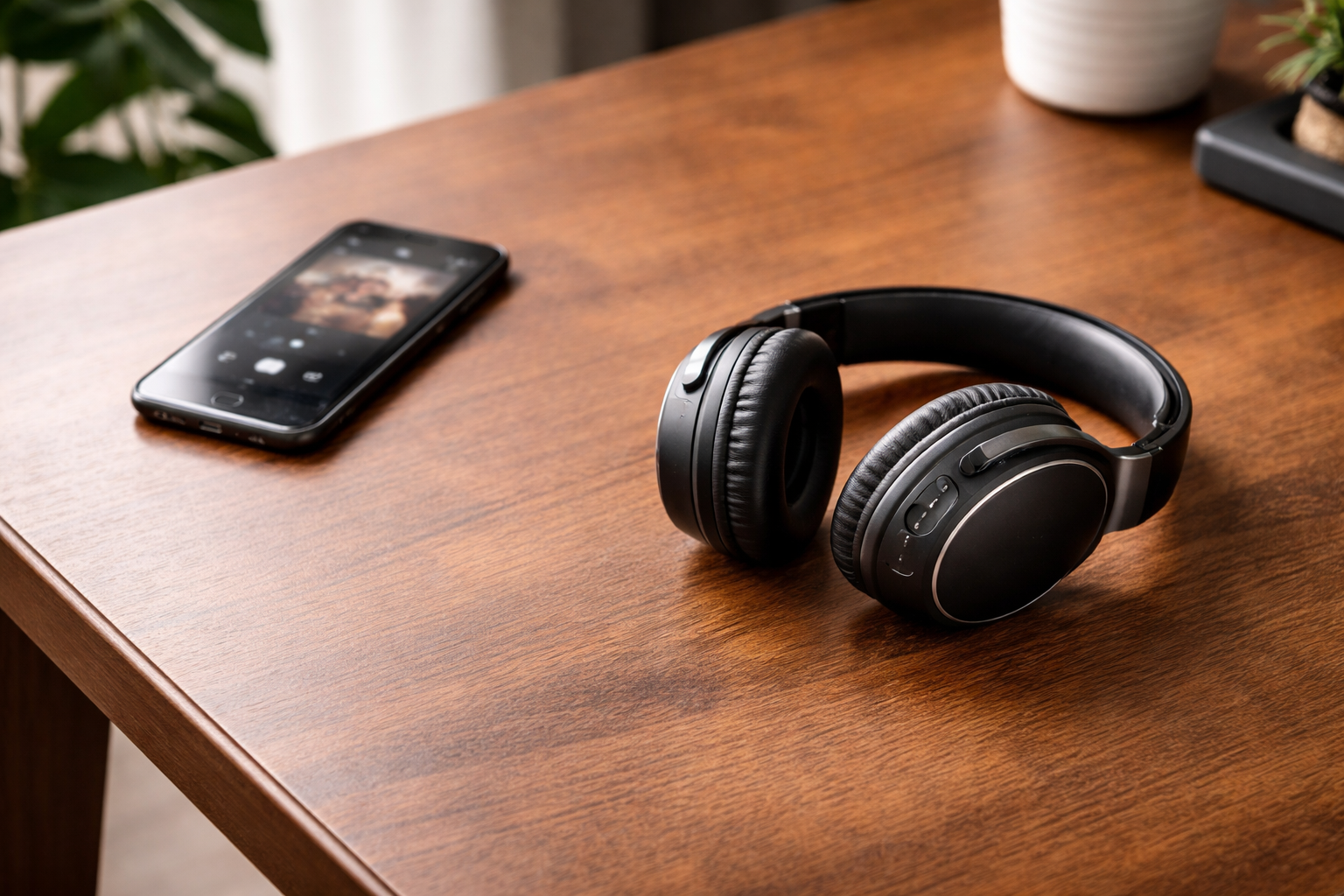
If you have ever worn noise cancelling headphones and suddenly felt the world go quiet, it can feel almost magical.
One moment there is background noise, the next moment it fades away.
But behind that quiet experience, there is a very fast and precise process happening inside the headphones.
Here is a simple, real world explanation of how noise cancellation works, step by step.
What noise cancellation really means
Noise cancellation is a technology that reduces unwanted external sound so you can hear your audio clearly.
It does not block sound completely like earplugs. Instead, it actively cancels noise using sound itself.
This is called active noise cancellation.

Step 1. Microphones detect external noise
Noise cancelling headphones have tiny microphones built into them.
These microphones constantly listen to the sounds around you such as traffic, fans, conversations, or engine noise.
The headphones treat these sounds as incoming noise that needs to be reduced.
This step happens continuously, even before you press play on music.
Step 2. The system analyses sound waves
Once the microphones pick up the noise, the signal is sent to a small processing unit inside the headphones.
This system studies the sound waves, including their frequency and pattern. It basically understands what the noise looks like in wave form.
This happens in milliseconds, so fast that you do not notice any delay.
Step 3. Opposite sound waves are created
After analysing the noise, the headphones generate a new sound wave that is the exact opposite of the incoming noise.
If the outside noise wave goes up, the generated wave goes down. If one is positive, the other is negative. This is called an opposite or inverted wave.
Think of it like two waves designed to cancel each other out.
Step 4. Waves cancel each other
When the original noise and the opposite wave meet, they cancel each other.
This process is known as destructive interference. The peaks and troughs of both waves neutralise each other, reducing the overall sound.
Instead of hearing the outside noise, you experience a much quieter environment.
Step 5. Reduced noise reaches your ear
After the cancellation happens, what reaches your ear is significantly reduced background noise.
This creates what many people describe as a quiet zone. Your music, podcast, or call becomes clearer because it is no longer competing with surrounding noise.
Why noise cancellation works best with certain sounds
Noise cancellation works best with consistent sounds like engine hum, air conditioners, or fans.
These sounds are predictable and easier for the system to cancel. Sudden or sharp sounds like voices or clapping are harder to eliminate completely because they change quickly.
That is why you may still hear some sounds even with noise cancellation turned on.
Active noise cancellation vs passive isolation
It is important to understand the difference.
Passive noise isolation comes from the physical design of the headphones, such as ear cups blocking sound. Active noise cancellation uses microphones and sound waves to reduce noise electronically.
Most modern headphones use both methods together for better results.
What this means for your listening experience
Noise cancelling headphones improve focus and clarity.
By reducing background noise, you can listen at lower volumes, which is better for your hearing. It also makes travel, work, and relaxation more comfortable.
The goal is not complete silence, but a controlled and cleaner sound environment.
Conclusion
Noise cancellation in headphones is not magic. It is a fast, scientific process where microphones detect noise, a system analyses it, and opposite sound waves are created to cancel it out.
All of this happens instantly, creating a quieter space where your audio stands out clearly.
Understanding this process helps you appreciate just how much technology is working behind the scenes every time you put on your headphones.