Advertisement
Why some people feel guilty spending money even when they can afford to
19th August, 2026 02:05 PM

Money is often viewed as a practical tool used to pay bills, build savings and meet daily needs. However, financial decisions are rarely based on numbers alone. Emotions, personal experiences and family influences can play a significant role in determining how people spend their money.
For some people, spending money brings excitement and satisfaction. For others, even making a necessary purchase can trigger feelings of guilt and anxiety.
Interestingly, this feeling does not always affect people who are struggling financially. Many individuals with stable incomes and healthy savings still experience discomfort whenever they spend money on themselves.
Childhood experiences can shape financial behaviour
The relationship people have with money often develops much earlier than many realise.
Growing up in a household that experienced financial difficulties can leave a lasting impression. Children who witness periods of unemployment, debt or financial uncertainty may carry those experiences into adulthood.
Even after their financial situation improves, some continue to behave as if they are still facing the same challenges. The fear of running out of money can remain deeply rooted, creating anxiety whenever spending becomes necessary.

According to the American Psychological Association, beliefs about money are often formed during childhood and continue to influence financial decisions later in life. Financial experiences within families can shape attitudes towards spending, saving, and budgeting for many years.
The fear of making the wrong financial decision
Many people associate spending with the possibility of regret.
Instead of focusing on what they are gaining, they concentrate on what they might be losing. Every purchase becomes a comparison between present enjoyment and future financial security.
This way of thinking can make even affordable purchases feel uncomfortable. Some individuals repeatedly question whether they should have spent less or saved more. Others postpone buying essential items because they worry about making an unnecessary financial mistake.
Over time, this habit can create a cycle in which spending becomes associated with stress rather than satisfaction.
The emotional pain of spending money
Psychologists have identified what is often described as the “pain of paying”, a psychological response that causes some people to experience emotional discomfort when parting with money.
This reaction varies from one person to another. While some people spend freely without much hesitation, others experience guilt even when their finances are in good shape.
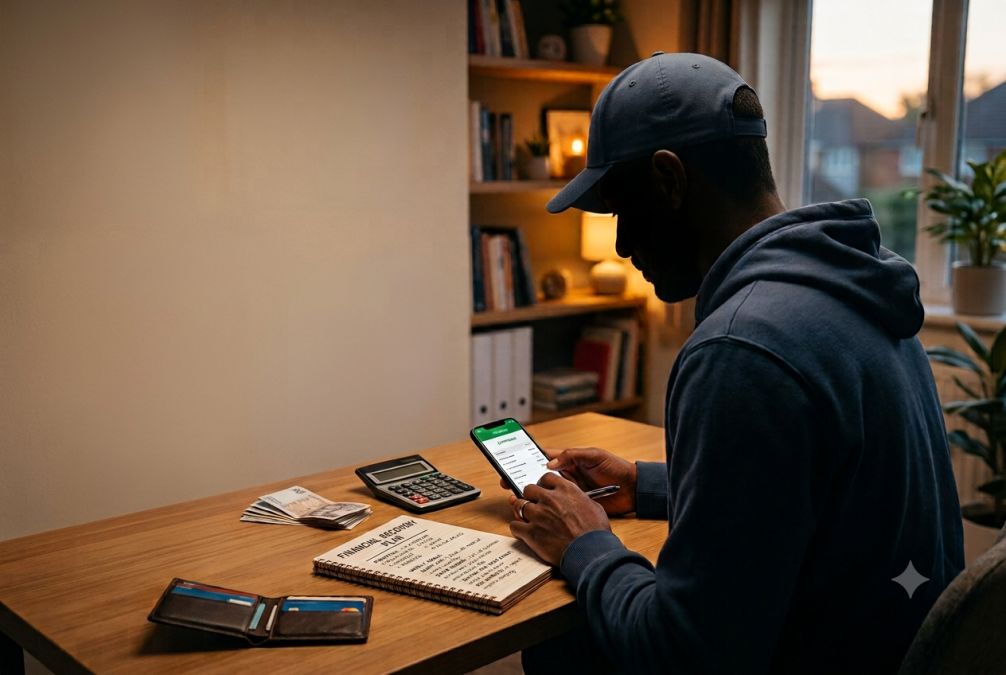
Research in consumer psychology suggests that these emotional differences are linked to personality traits, previous financial experiences and individual attitudes towards money.
People who naturally focus on future consequences may find it particularly difficult to spend money in the present, regardless of their financial position. Some individuals experience significantly higher levels of emotional discomfort when spending, making them more likely to delay or avoid purchases altogether.
Saving money should not mean ignoring personal needs
Financial discipline remains one of the most important habits for achieving long-term stability. However, there is a difference between responsible saving and denying oneself every source of enjoyment.
Money is intended to support daily living, provide security and improve quality of life. When guilt prevents people from spending on education, healthcare, family activities or personal well-being, it can negatively affect their overall happiness.
Creating a realistic budget that includes both savings and personal spending can help reduce unnecessary anxiety. Setting aside money specifically for leisure activities can also make spending feel more intentional and less emotionally challenging.