Advertisement
KeNHA road reserve evictions: What Kenyans should know before buying or building
29th September, 2026 12:28 PM
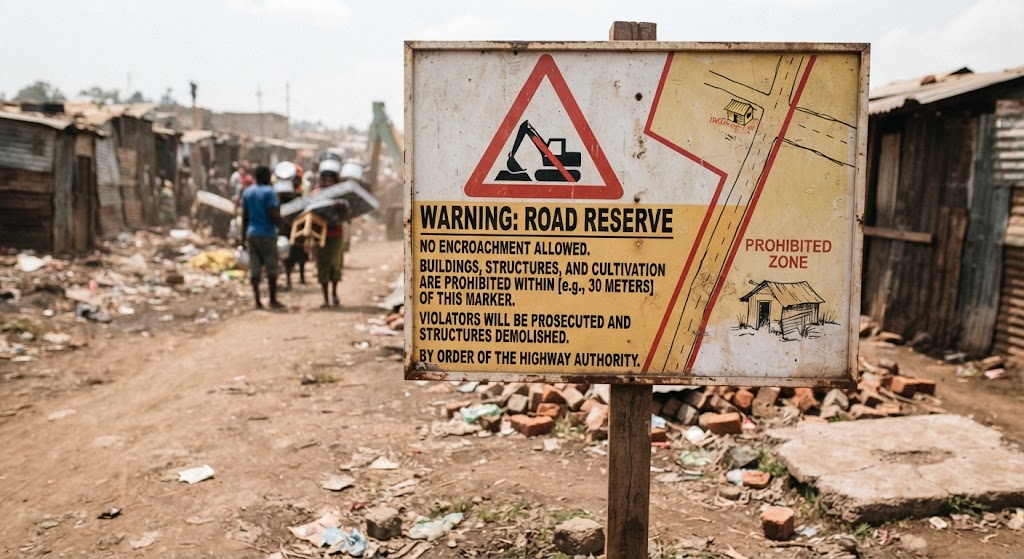
Road reserve evictions can be a costly reminder that owning land does not always mean every part of a property can be developed.
As the Kenya National Highways Authority (KeNHA) issues notices targeting structures on road reserves, homeowners, tenants and businesses face questions about how such situations can be avoided in the first place.
For Kenyans looking to buy land or put up buildings, understanding property boundaries and the restrictions affecting road reserves has become an important part of making informed decisions.
Why road reserves matter
Road reserves are areas set aside for the construction, expansion and maintenance of roads and related infrastructure. They can include space needed for future road widening, drainage, walkways and other road-related works.
Problems arise when homes, shops, fences or other structures are built within these spaces. A property may appear legally acquired, but this does not automatically mean that every section can be developed for private use.
For prospective buyers, this makes it important to establish exactly where a parcel begins and ends before committing money to it. Relying only on information from a seller, neighbours or informal markings can leave buyers exposed to disputes and potential losses.
What buyers should check before purchasing land
Before buying property near a major road, prospective owners should carry out proper due diligence. This includes confirming the title, conducting an official search and having the property boundaries physically identified by a qualified surveyor.

Buyers should also establish whether the land is affected by a road reserve or any other public wayleave. This is particularly important for plots located along highways and major roads, where future expansion or infrastructure projects may affect surrounding land.
A seemingly attractive plot close to a busy road may offer convenience for a home or business, but its location should not be assessed only on accessibility or commercial potential.
Building without checking can be costly
For existing property owners, an eviction notice can bring significant disruption, particularly when a structure has already been completed or a business depends on the affected space.
Families may face relocation, while traders can lose premises that have supported their income for years. The experience also highlights why checking planning and land-use requirements before construction can be as important as securing financing for the project.
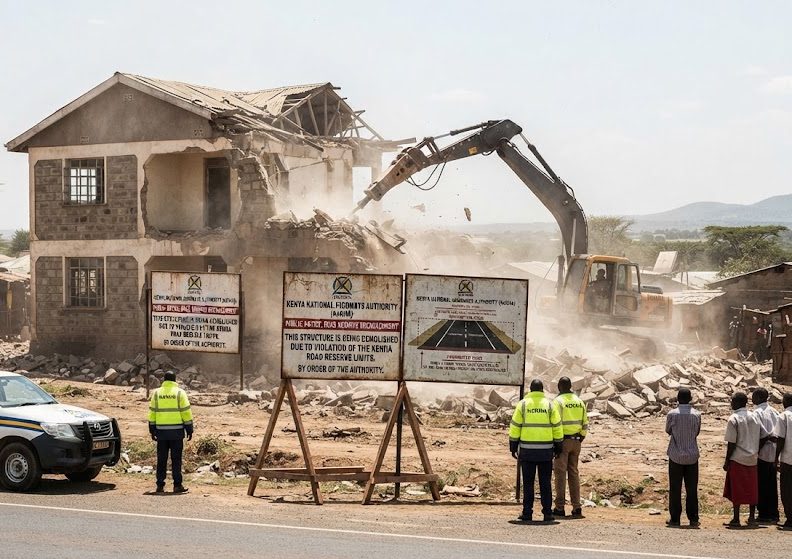
Ultimately, the KeNHA notices have highlighted a wider lesson for property buyers: before purchasing land or investing in construction, understanding the property’s boundaries, restrictions and surrounding infrastructure plans can help prevent expensive surprises later.