Advertisement
5 Kenyan drinks that can support your immune health
29th September, 2026 01:31 PM
From a warm cup of ginger tea in the morning to a glass of mala with breakfast, many drinks enjoyed in Kenyan homes can provide nutrients that support the body’s normal functions.
There is no single drink that can prevent infections or instantly strengthen the immune system. However, getting enough vitamins, minerals, and other nutrients through a varied diet helps the immune system work properly. Nutrients such as vitamin C, vitamin D, zinc, iron, and selenium are important for normal immune function.
Some familiar Kenyan drinks can therefore be part of a balanced diet, especially when they are prepared with little added sugar.
Ginger tea
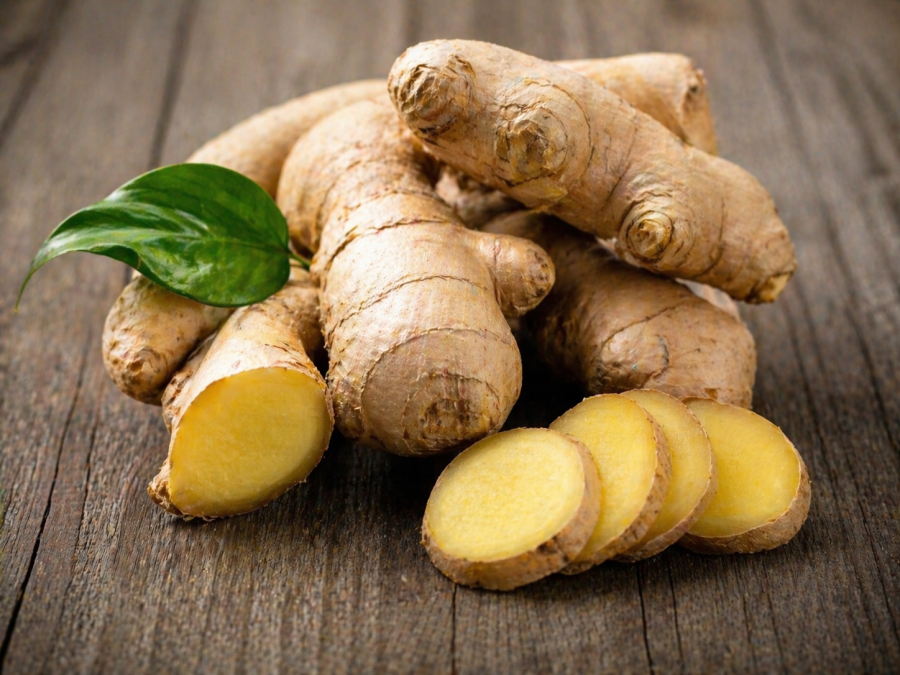
Ginger tea is one of the simplest drinks to prepare at home. Fresh ginger can be sliced, crushed or grated and steeped in hot water. Lemon can also be added for flavour.
Ginger contains plant compounds that have antioxidant and anti-inflammatory properties. While ginger tea should not be treated as medicine, it can be a warming drink that fits easily into everyday meals.
Adding lemon can also provide vitamin C. The nutrient is important for normal immune function and helps protect cells from oxidative damage. For people who prefer a sweeter drink, a small amount of honey can be added rather than using large amounts of sugar.
Hibiscus drink
Hibiscus is used to make a brightly coloured drink with a naturally sharp taste. It can be prepared by steeping the dried hibiscus flowers in hot water before allowing the drink to cool.
It can be enjoyed warm or chilled, with ginger, lemon or a small amount of fruit added for flavour.
Hibiscus contains plant compounds with antioxidant properties. However, its role should be viewed as part of an overall healthy diet rather than as a treatment for infections.
Keeping added sugar low is also important. A drink that starts with a nutritious ingredient can quickly become high in added sugar if large amounts are used.
Mala
Mala is a familiar fermented milk drink in Kenya and is commonly taken during breakfast or alongside meals. Fermented dairy products can provide protein, calcium, and other nutrients. Some fermented products also contain live microorganisms, commonly referred to as probiotics, which can interact with the gut.
According to the National Institutes of Health, probiotics may influence immune function through several mechanisms, including supporting the gut barrier and affecting immune responses. However, the effects vary according to the particular microorganism and product.

Research reviewing fermented dairy products has also found potential benefits for gut health and immune regulation, although the evidence does not mean every fermented milk product will have the same effect.
Traditional fermented porridge
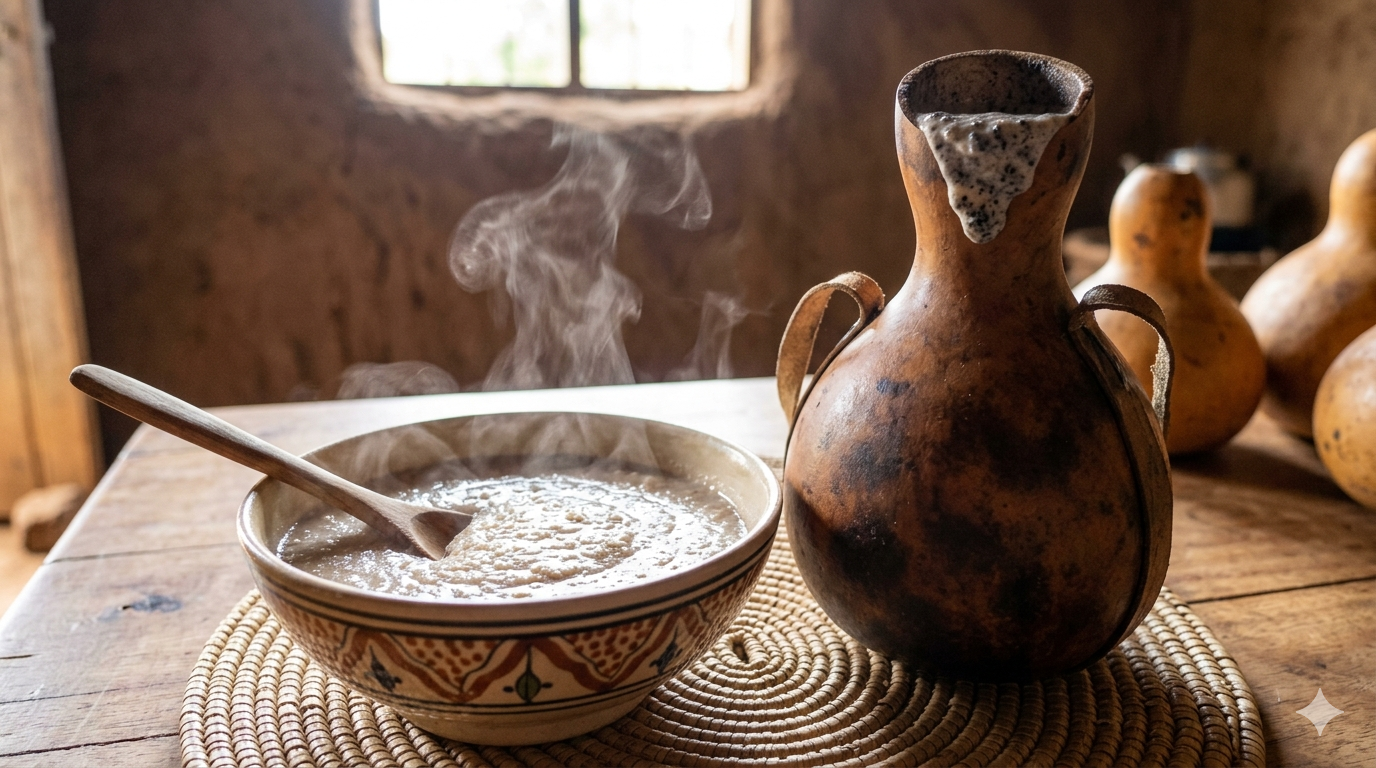
Fermented porridge made from cereals such as millet, sorghum or maize remains a familiar drink in many Kenyan homes. It can be served warm and is often taken at breakfast or as a filling drink between meals. The nutritional value depends on the grain used and how the porridge is prepared.
Using whole grains can provide carbohydrates, fibre and various micronutrients. Adding milk can also increase the protein and nutrient content.
Fermentation gives the porridge its characteristic sour taste and can change some of the properties of the grain. It is therefore a useful way of including traditional cereals in the diet while also enjoying a familiar Kenyan drink.
Lemon and ginger water
Lemon and ginger water is another simple option, particularly for people who want a lighter drink.
Fresh ginger can be added to warm or cold water, followed by lemon juice. Lemon contributes vitamin C, while ginger provides plant compounds and flavour.
Vitamin C is particularly relevant to immune health because the body needs it for normal immune function. Inadequate vitamin C intake can impair immune function. However, adding lemon and ginger to water does not make it a cure for colds or other infections. Its main benefit is as part of a diet that provides a range of nutrients.