Advertisement
Why genetics, lifestyle, and immunity can affect how often you get sick
10th August, 2026 10:48 AM
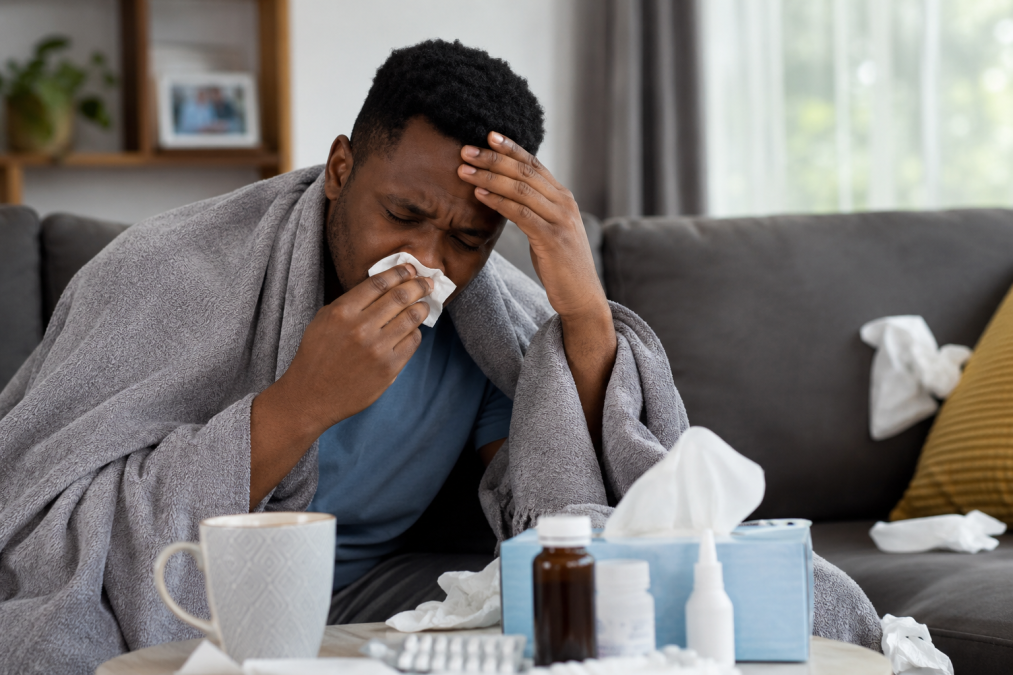
Have you ever noticed that while some people rarely fall ill, others seem to catch every cold, flu or infection going around? Although exposure to germs plays an important role, how often a person gets sick can also be influenced by genetics, lifestyle and the way their immune system responds.
Getting sick frequently does not always mean that someone has a weak immune system. The body’s ability to fight infections is influenced by several factors, some of which are inherited while others are shaped by everyday habits and the environment.
Your genes can influence your risk
Genetics can partly determine how the body recognises and responds to viruses, bacteria and other harmful organisms. People inherit genes that help control different parts of the immune system, meaning that individuals can respond differently when exposed to the same infection.
According to the National Institutes of Health (NIH), genetic differences can affect a person’s susceptibility to infectious diseases and influence how strongly the immune system responds to infections.
This does not mean that a person is destined to become sick frequently simply because illnesses run in their family. Instead, genes are one part of a much bigger picture. Other factors, including age, previous infections, vaccination and general health, also influence how the body responds to disease.
Lifestyle can affect the body’s defences
Daily habits can either support or interfere with the immune system. Poor sleep, prolonged stress, an unbalanced diet and a lack of physical activity can affect the body’s ability to maintain normal immune function.
Sleep is particularly important because the immune system remains active while the body rests. According to the National Heart, Lung, and Blood Institute (NHLBI), people who do not get enough sleep may be more likely to develop colds and other infections. Adequate sleep supports processes involved in the production and activity of immune cells.

Stress can also have an effect. Occasional stress is a normal part of life, but prolonged stress can affect the body’s hormonal systems and immune response. Persistent stress may affect immune activity and other processes involved in keeping the body healthy.
This is why constantly feeling tired, sleeping poorly or remaining under pressure for long periods can sometimes coincide with becoming unwell more often.
Immunity changes throughout life
The immune system is not fixed. It develops during childhood, learns from previous exposure to infections and vaccines, and changes as a person grows older.
When the body encounters a germ, immune cells identify it and begin working to control the infection. Some immune responses also create a form of memory, allowing the body to respond more efficiently when it encounters the same threat again.
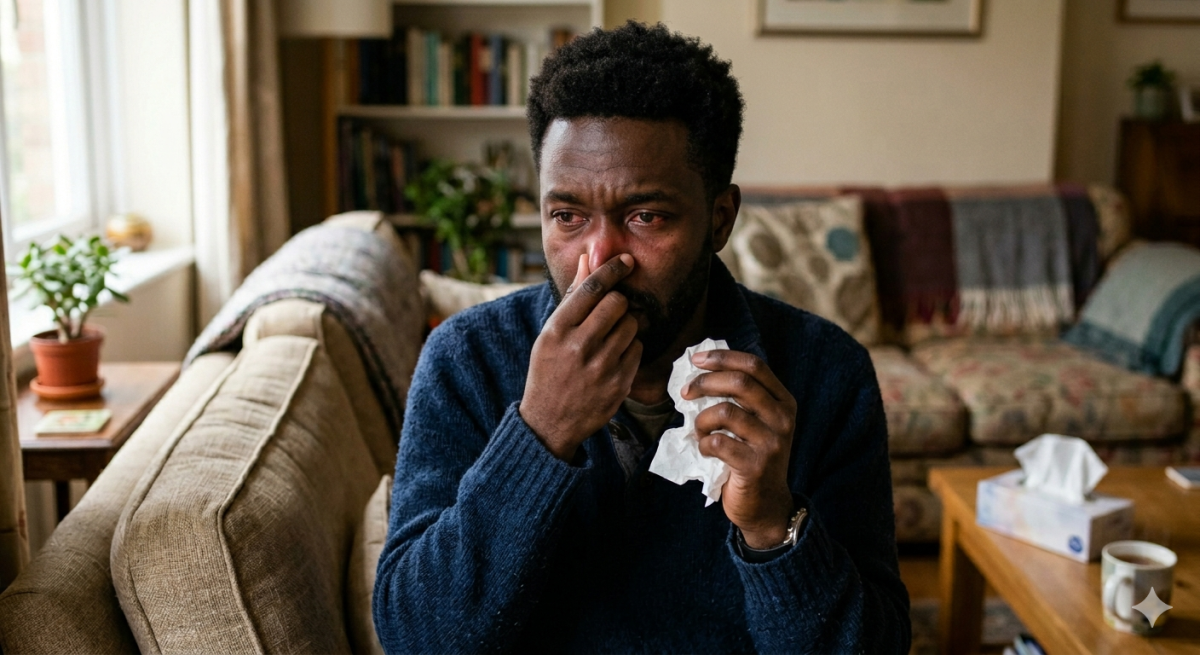
However, not every illness produces lasting protection, and viruses such as those that cause common colds can change over time. This means a person can continue getting respiratory infections even after having been exposed to similar viruses before.
Underlying health conditions can also affect immunity, making some people more vulnerable to infections or more likely to experience severe illness.
Everyday habits still matter
Although genetics cannot be changed, many factors that influence immune health can be managed. Eating a varied diet, getting adequate sleep, staying physically active, managing prolonged stress, and following recommended vaccinations can help support normal immune function.
Frequent illness should not automatically be blamed on a weak immune system. If infections are unusually frequent, severe, long-lasting or repeatedly require medical treatment, it is worth seeking medical advice to determine whether an underlying health problem or another factor could be responsible.