Advertisement
5 everyday habits that could be putting your heart at risk
07th September, 2026 03:58 PM
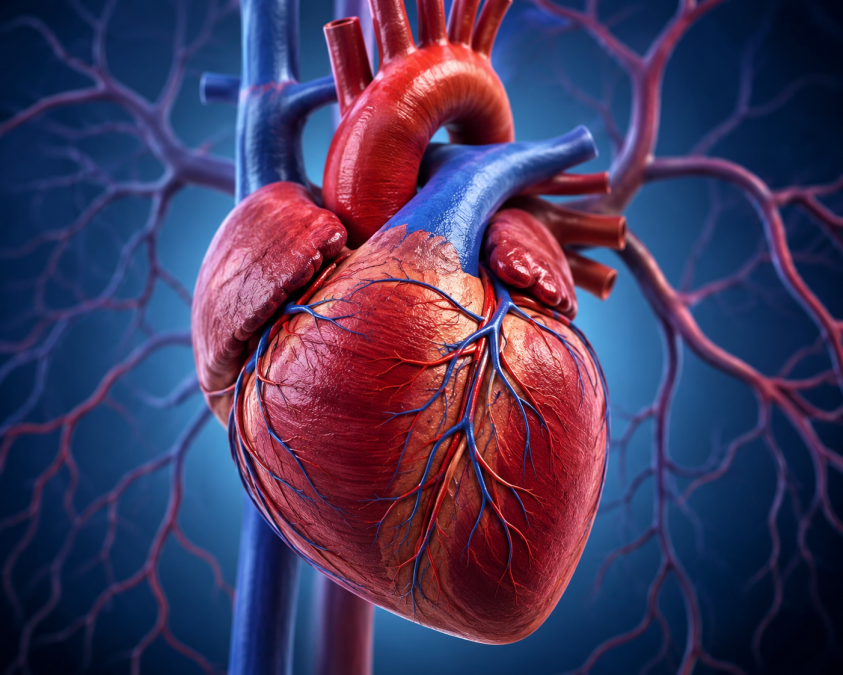
Heart disease is often linked to obvious risk factors such as smoking, high blood pressure and high cholesterol. However, some everyday habits that appear harmless can also affect your heart health over time.
According to the World Health Organisation (WHO), cardiovascular diseases (CVDs) are the leading cause of death globally, taking an estimated 17.9 million lives each year.
“CVDs are a group of disorders of the heart and blood vessels and include coronary heart disease, cerebrovascular disease, rheumatic heart disease and other conditions. More than four out of five CVD deaths are due to heart attacks and strokes, and one-third of these deaths occur prematurely in people under 70 years of age,” WHO states.
The most important behavioural risk factors of heart disease and stroke are unhealthy diet, physical inactivity, tobacco use and harmful use of alcohol. Amongst environmental risk factors, air pollution is an important factor.
The effects of behavioural risk factors may show up in individuals as raised blood pressure, raised blood glucose, raised blood lipids, and overweight and obesity. These “intermediate risks factors” can be measured in primary care facilities and indicate an increased risk of heart attack, stroke, heart failure and other complications.

1. Sitting for too long
Spending most of the day sitting at a desk, behind the wheel or on the couch can reduce physical activity and contribute to weight gain, high blood pressure and poor circulation.
Even if you exercise occasionally, long periods of inactivity throughout the day may still affect your overall heart health.
Try breaking up long periods of sitting by standing, stretching or taking short walks during the day.
2. Eating too much salty and processed food
Frequently eating foods high in salt, unhealthy fats and added sugars can affect blood pressure and cholesterol levels.
For many people, this can include regularly consuming processed meats, fast foods, packaged snacks and heavily salted meals.
You do not have to completely avoid your favourite foods, but eating more fresh vegetables, fruits, whole grains, beans and other minimally processed foods can help support heart health.
3. Not getting enough sleep
Regularly sleeping for too few hours can affect more than your energy levels. Poor sleep has been linked to several heart disease risk factors, including high blood pressure and unhealthy weight gain.
Adults should aim for consistent, good-quality sleep and pay attention if poor sleep becomes a regular problem.
4. Constantly living under stress
Work pressure, financial difficulties, relationship problems and other daily challenges can leave you feeling stressed for long periods.
Chronic stress may affect blood pressure and can also encourage habits such as overeating, smoking, drinking alcohol or avoiding exercise.
Finding healthy ways to manage stress, such as walking, exercising, spending time with loved ones or practising relaxation techniques, can benefit your overall wellbeing.